Día de Muertos in Mexico City: The Ultimate Event Guide
In this guide
- Before October 25: the festivities have already started
- October 25: Mega Procesión de las Catrinas
- October 26: Mercado Jamaica and Reforma’s marigolds
- October 27: start the Historic Center events or escape to Teotihuacán
- October 28: Saint Jude’s Day and Noche de Museos
- October 29: the Zócalo mega ofrenda opens
- October 30: F1 Friday and Chapultepec after dark
- October 31: the grand Día de Muertos parade
- November 1: choose F1, UNAM, Mixquic, or a day trip
- November 2: remembrance and La Alumbrada
- Where I stayed for the perfect parade view
- My biggest planning tips
Mexico City really is the place to be during Día de Muertos week! It is honestly crazy how many things happen at the exact same time. There are multiple parades, monumental ofrendas, marigold markets, nighttime museum events, festivals in Chapultepec, religious celebrations, and sometimes even Formula 1 happening on top of all of it.
It is exciting, beautiful, and also completely overwhelming. It is so easy to miss an important event simply because you did not know it was different from another parade, or because the official dates came out after you had already planned your trip. That is exactly why I put together this guide.
Below is the full day-by-day flow from around October 25 through November 2, based on my 2026 trip and everything I wish I had known beforehand. I am including what we attended, what I missed, the events that competed with each other, where to stay for a parade view, and the day trips that were still worth fitting in.
Use this beside my Día de Muertos week itinerary for an actual trip plan or my complete Mexico City guide for restaurants, museums, and neighborhoods to add between the festivities.
Read this before choosing your dates: The schedule below is a model for how packed the week can become, not a calendar to copy blindly.
The dates below are from 2026, not a permanent calendar. November 1 and 2 stay fixed, and Saint Jude’s feast is always October 28, but the Catrina procession, grand parade, Chapultepec festival, and other public events move each year.
The city usually releases the full program close to the celebration, which is not ideal when hotels are already disappearing. Check the official Mexico City Día de Muertos calendar for your year and treat social media announcements as helpful, not final, until an organizer confirms them.
If Día de Muertos is the reason for your trip, I would come for the entire week. There is no single weekend that captures everything.
I would also book at least six months ahead if you want a balcony, a specific neighborhood, or any real selection. We started seriously looking only two or three months before the trip, and so many places were already booked or wildly expensive. We got extremely lucky with our apartment.
Before October 25: the festivities have already started
If you can arrive earlier, there are usually several major events before the Catrina procession. In 2026, the Monumental Alebrijes Parade happened October 17, followed by an outdoor display of the sculptures along Reforma. The Festival Flores de Cempasúchil ran from October 18 through November 1, and the illuminated Reforma installation began October 23.
There was also a nighttime Día de Muertos bicycle ride on October 24. These dates will move, but they are a good reminder that the city begins transforming well before November 1.
October 25: Mega Procesión de las Catrinas
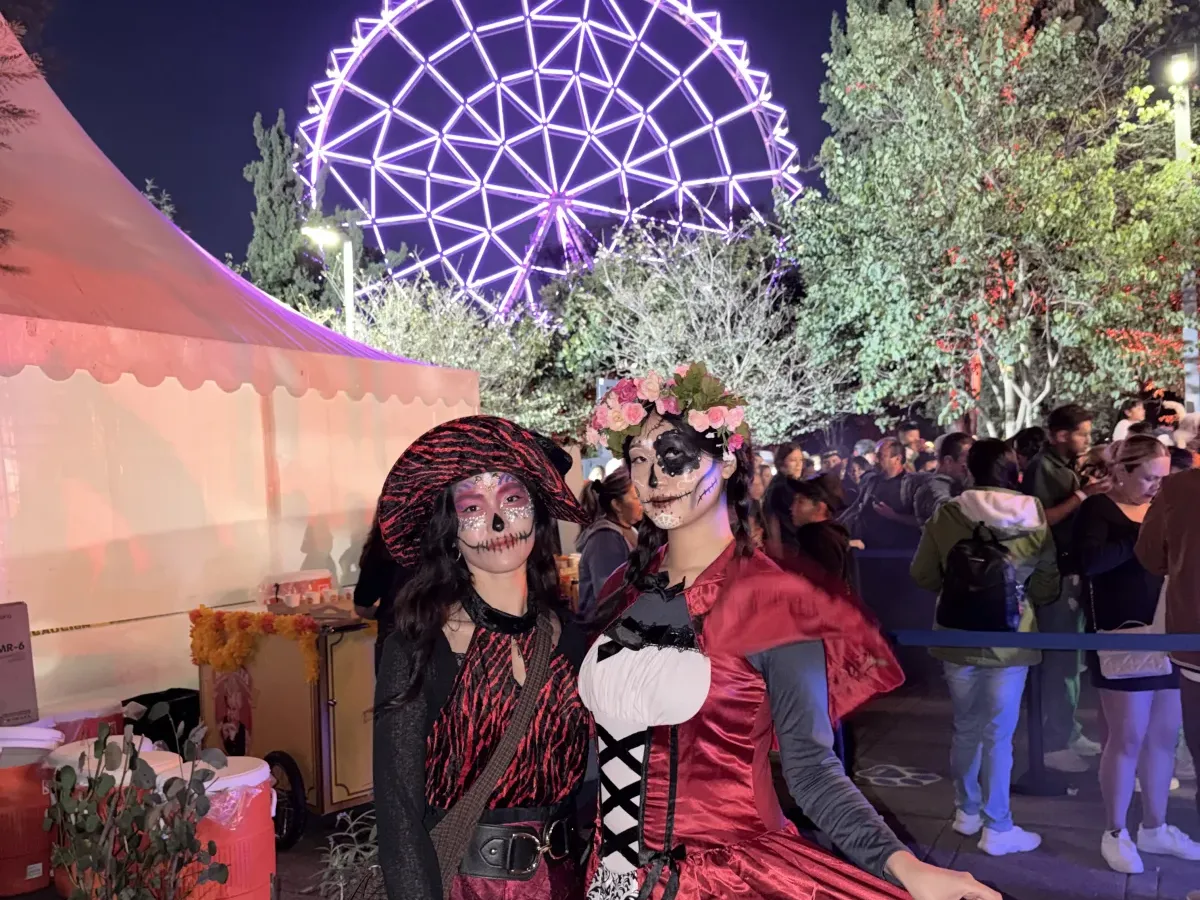
The Mega Procesión de las Catrinas was the first huge event of our week—and the one I personally missed. My flight landed at MEX around 8:30 p.m., which was simply too late. My mom and sister attended, dressed up, and sent me photos while I was still making my way into the city.
From what they experienced, this procession was actually more crazy than the official Día de Muertos parade later in the week! People were climbing onto structures to see, the crowds spilled everywhere, and it felt much less contained. The grand parade was heavily barricaded and controlled; the Catrina procession felt like the whole street had joined in.
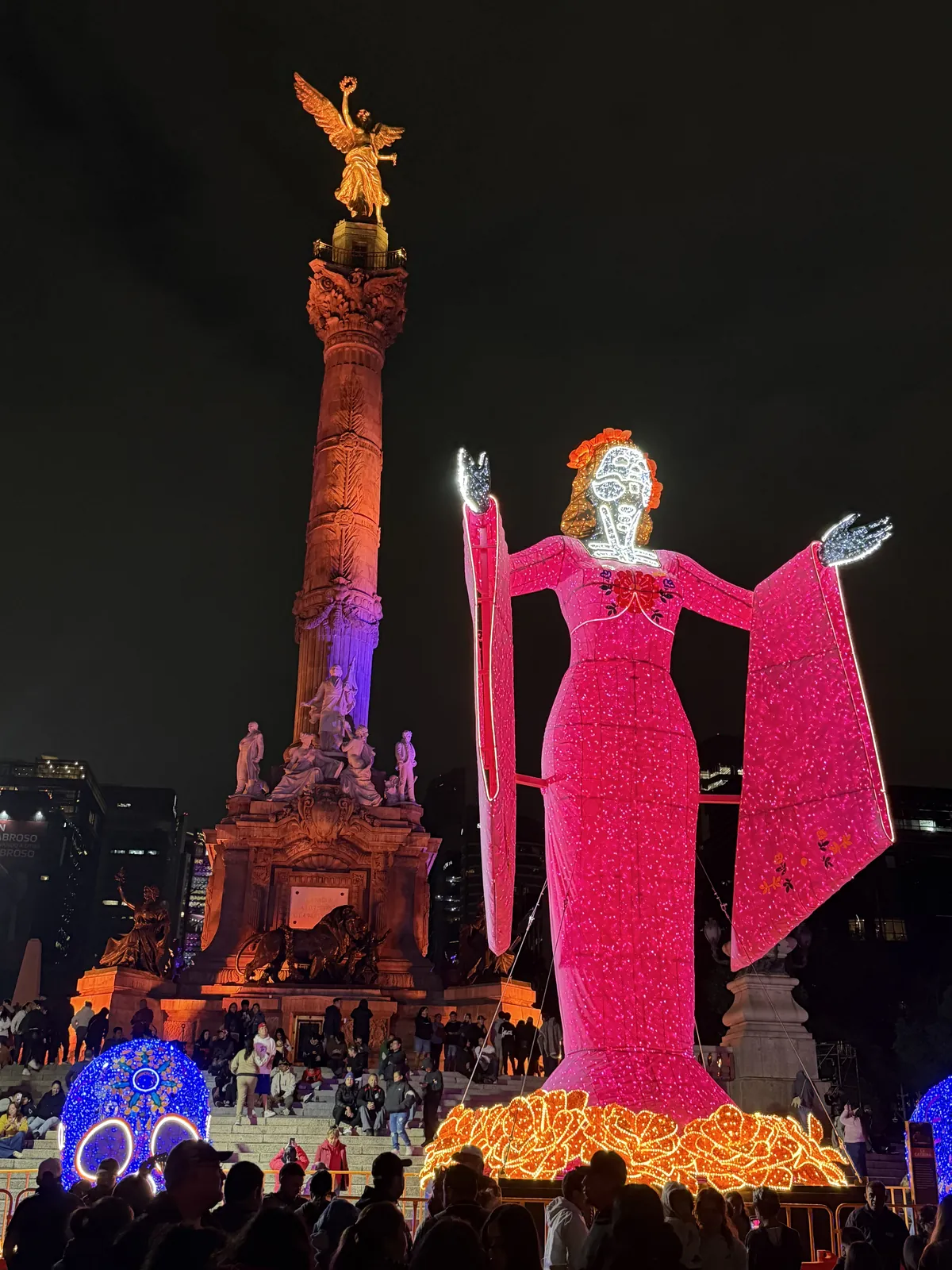
In 2026, it took place along Paseo de la Reforma. The exact start and finish can change, so wait for the official route before choosing a viewing point. Historically, the Ángel de la Independencia and the stretch toward the Historic Center are important areas to watch.
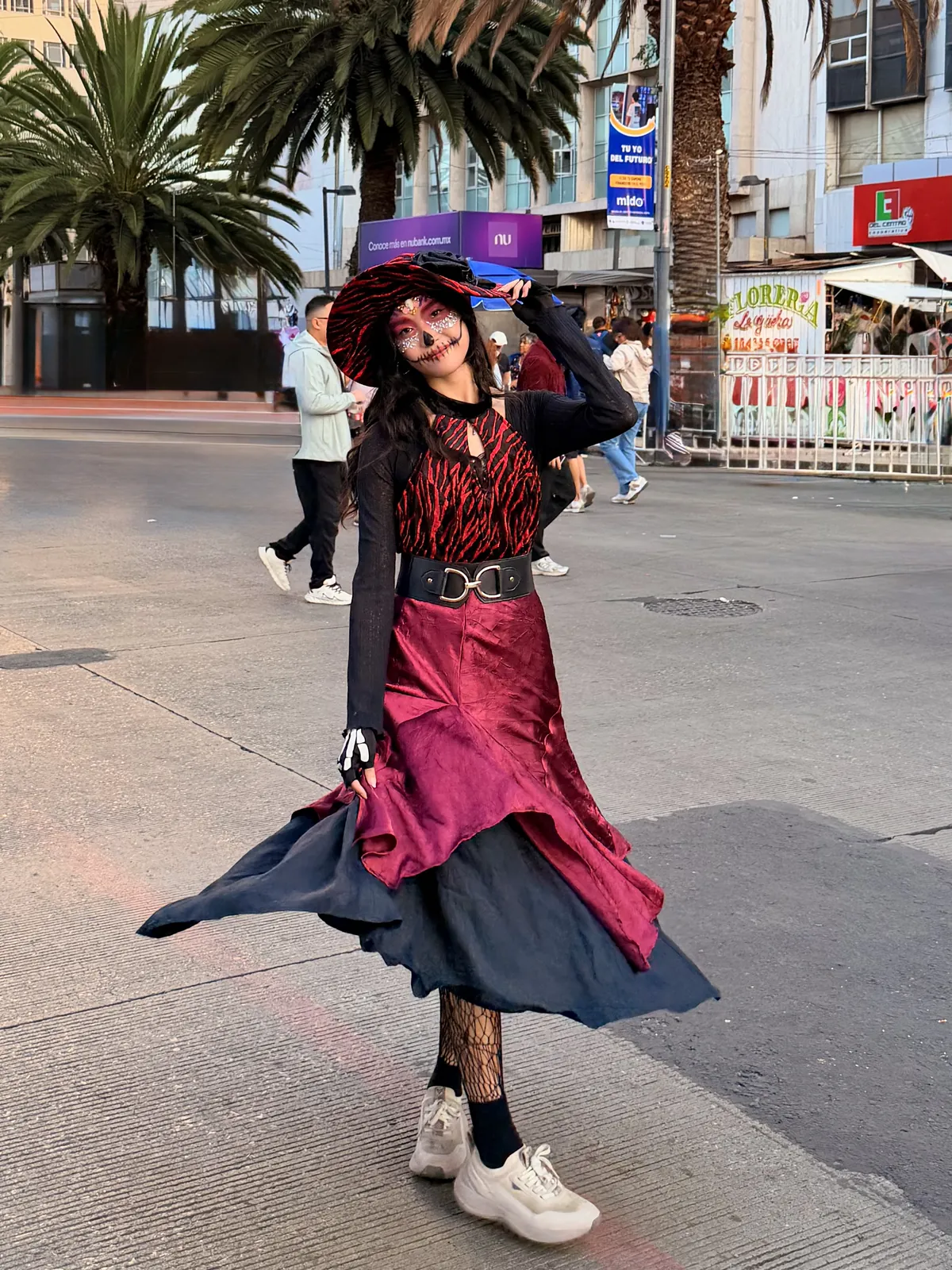
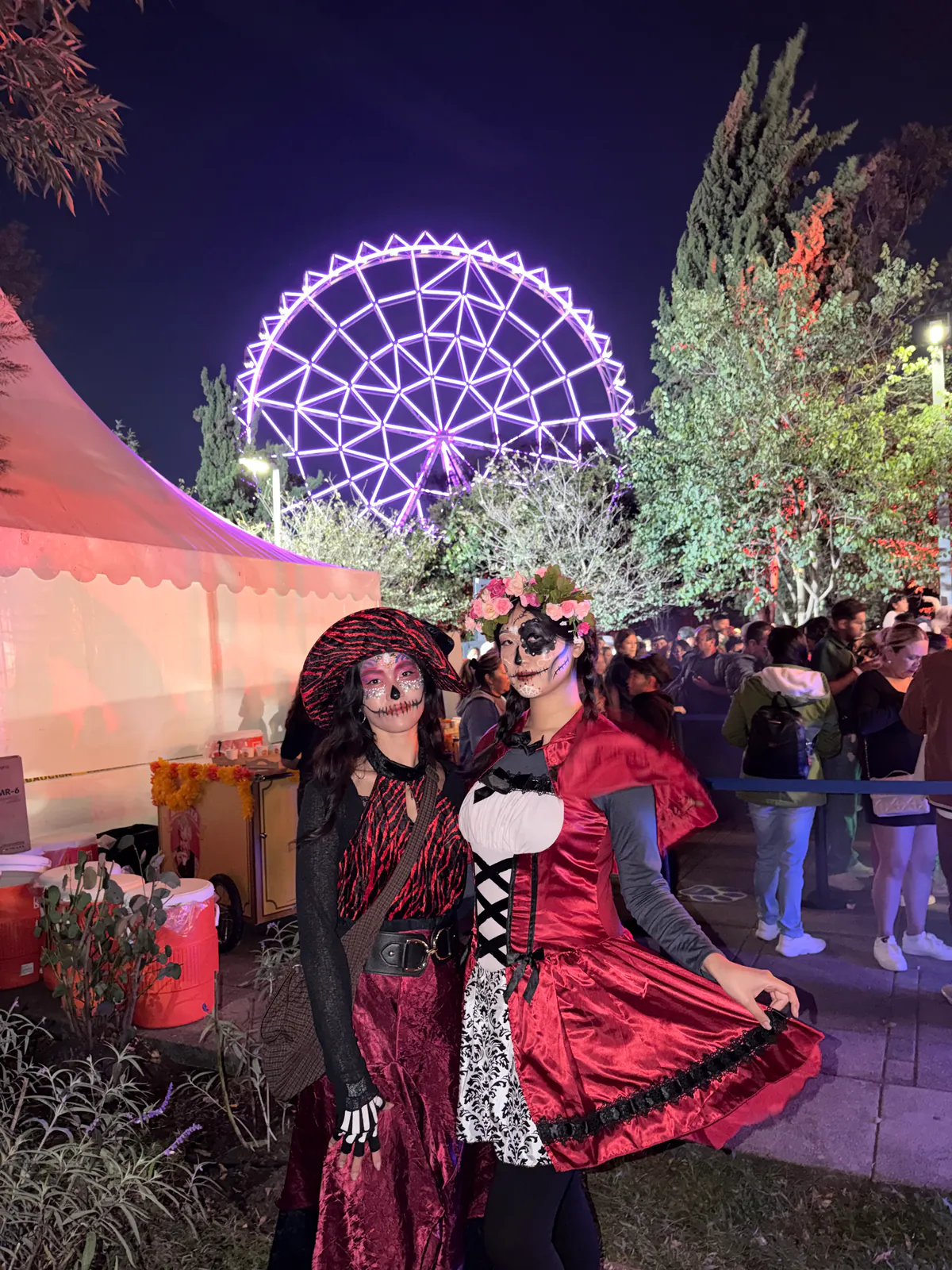
Face painters are all over the streets during this week, especially around the procession and parade routes. Go down early, look at the artists’ example photos, choose whose style you actually like, and get in line. The lines become incredibly long! A rushed first attempt may also need fixing later, which is exactly what happened to us.
October 26: Mercado Jamaica and Reforma’s marigolds
After the huge procession, I would use October 26 as a flexible flowers-and-decorations day. Mercado Jamaica is the marigold market I would prioritize. Around Día de Muertos, its flower aisles fill with cempasúchil, plus candles, papel picado, fruit, pan de muerto, and supplies families use to build ofrendas.
Go in the morning if you want to see the market fully stocked without squeezing it between nighttime events. This is an active wholesale and neighborhood market, not a styled photo set, so stay out of vendors’ working space and ask before photographing people.
Later, walk Paseo de la Reforma for the marigold festival, illuminated installations, and monumental alebrijes that may still be on display. This is a lower-pressure day, which you will appreciate once the major events begin stacking on top of each other.
October 27: start the Historic Center events or escape to Teotihuacán
In 2026, the Historic Center’s Entre Xolos y Catrinas festival began October 27, with exhibitions, performances, talks, concerts, and later a xolo-and-Catrina walk. This is the kind of smaller program that is easy to miss if you only search for the two giant parades.
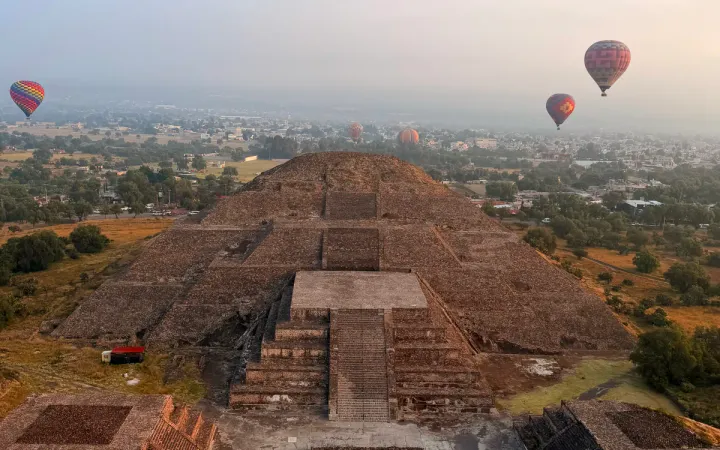
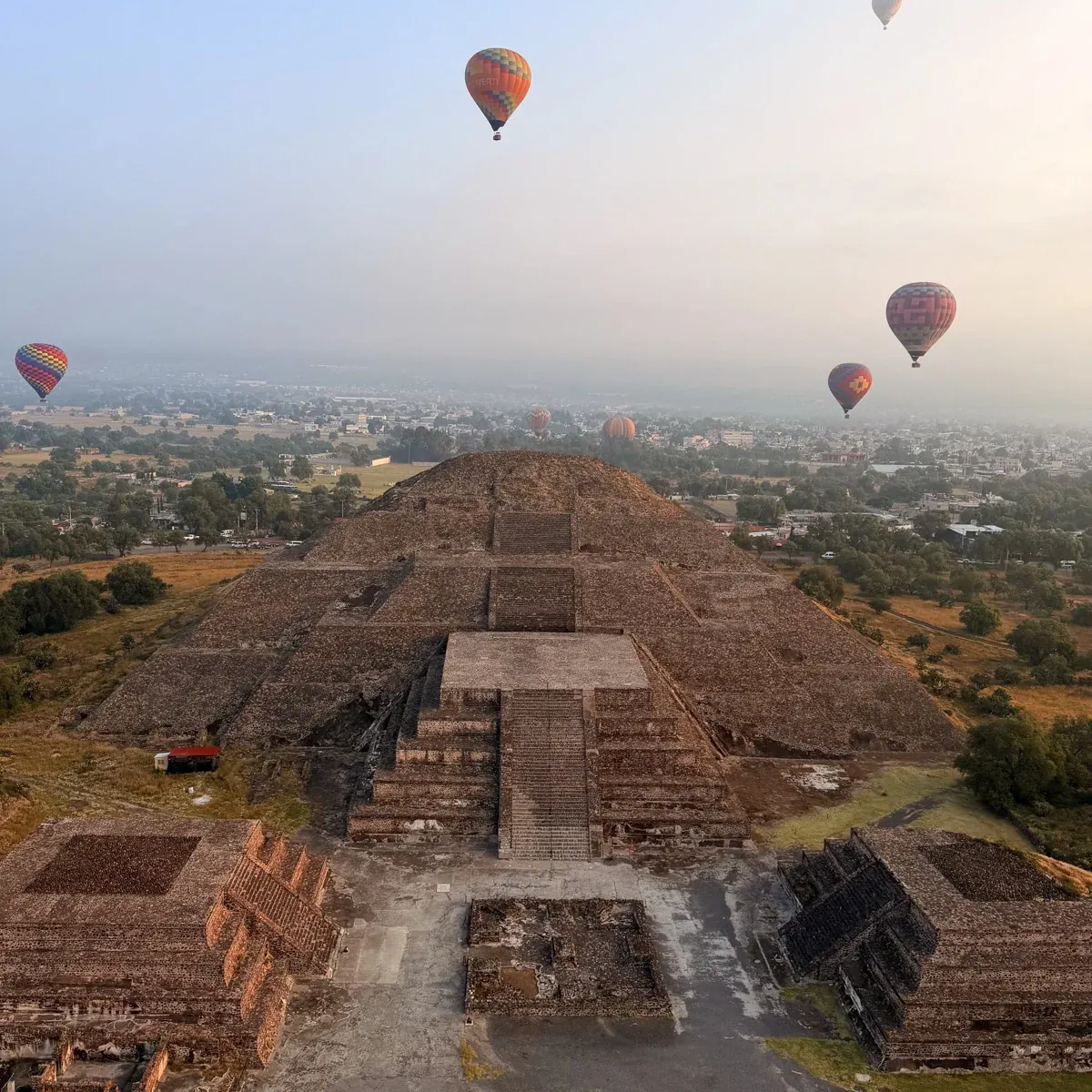
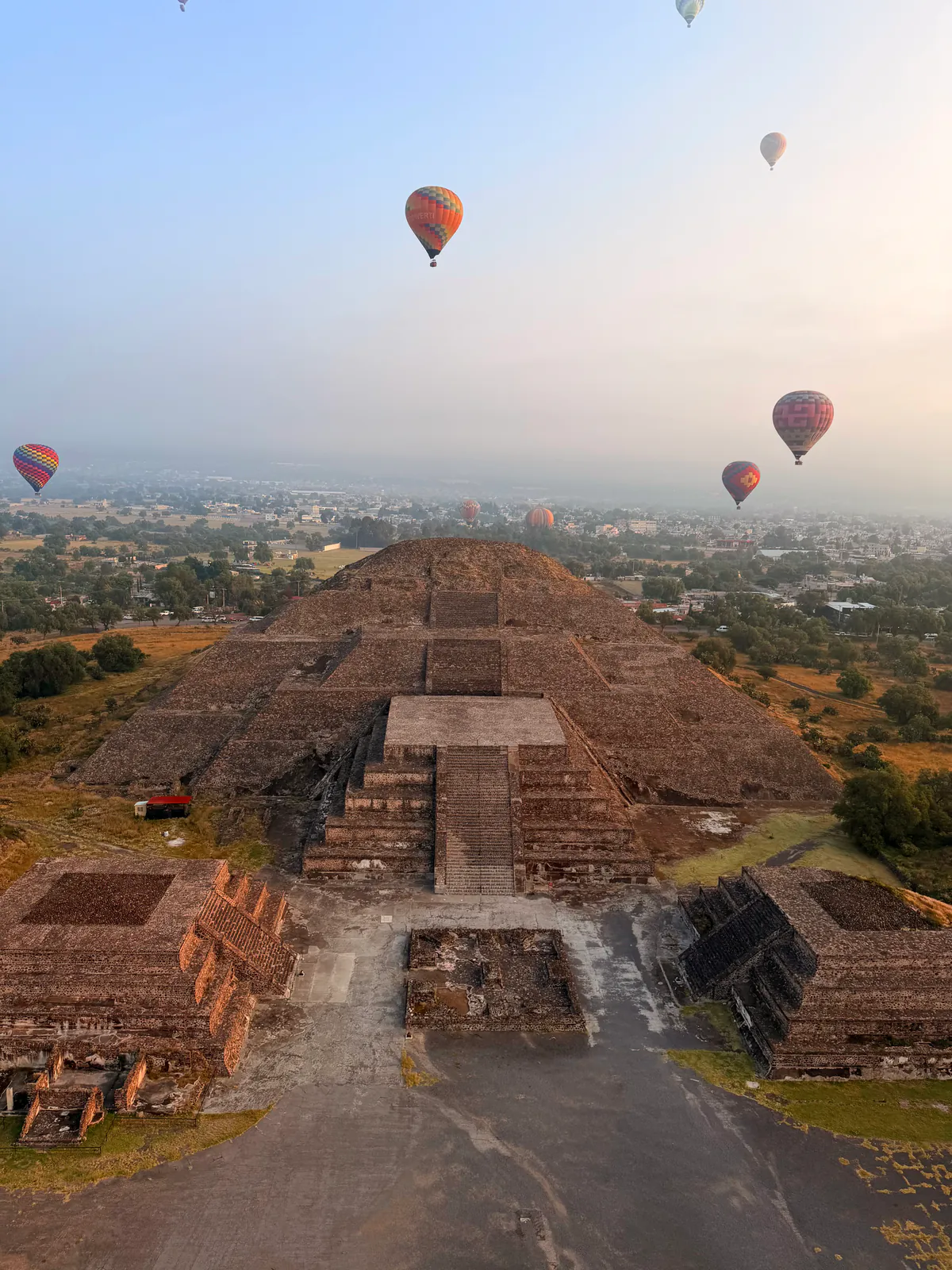
This is also one of the best days to leave the city for a major day trip. I would absolutely recommend my Teotihuacán hot air balloon tour. It is not a Día de Muertos event, but the sunrise balloon flight is still one of the biggest bucket-list experiences near Mexico City.
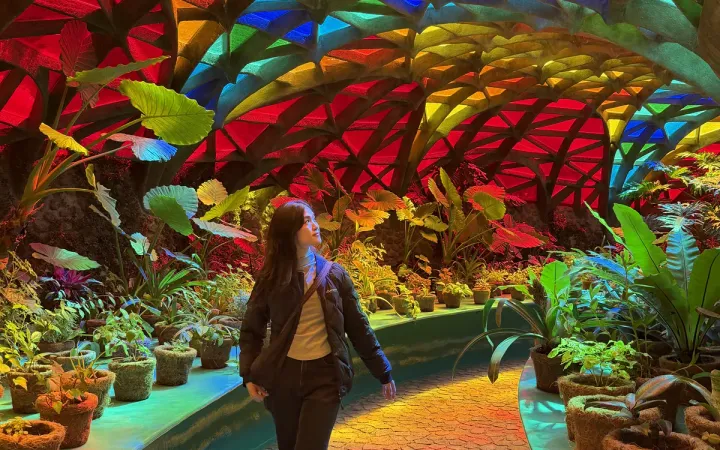
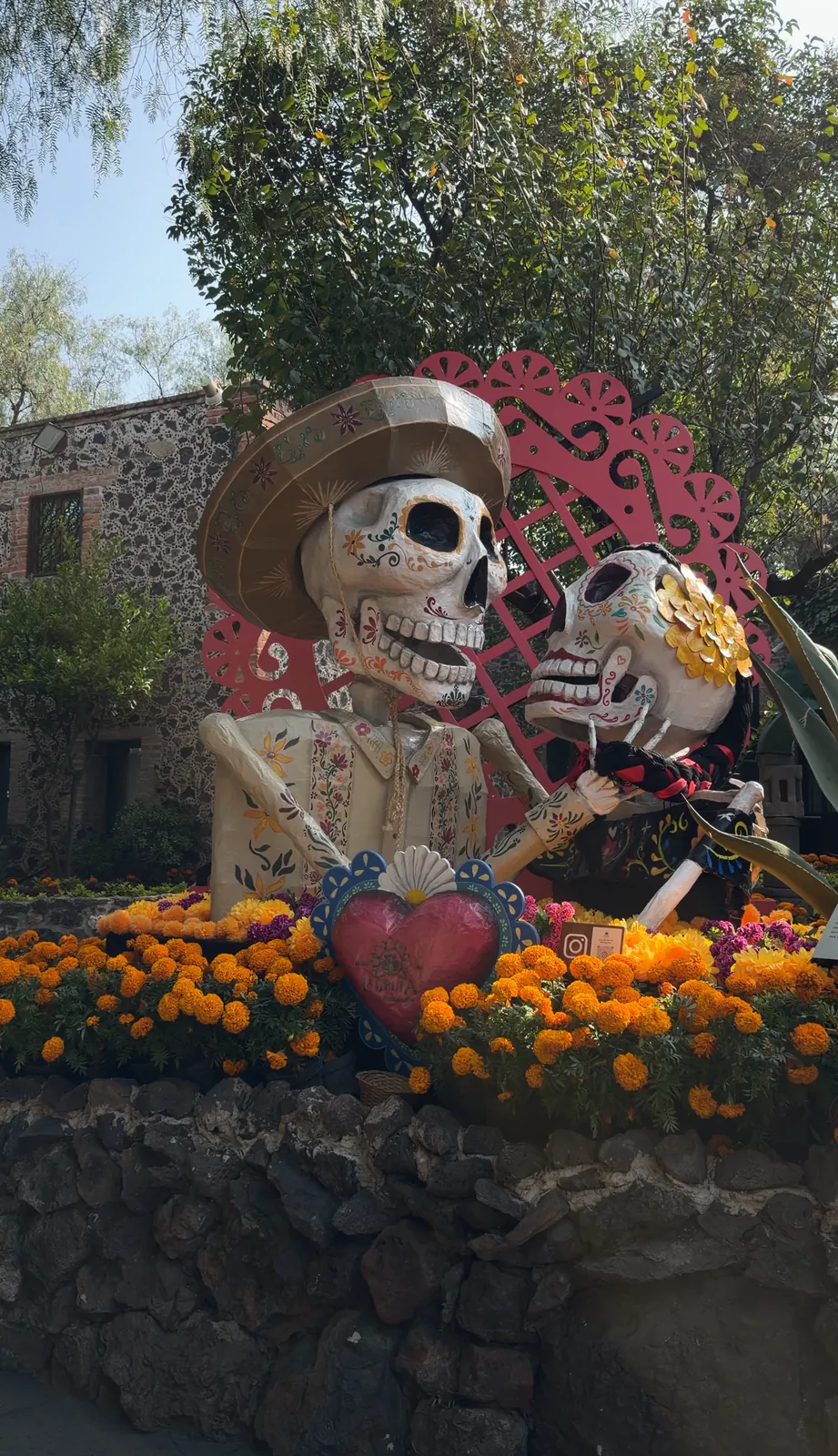
During this season, we saw cempasúchil and ofrendas far beyond the city center. Even La Gruta, the cave restaurant near Teotihuacán, had marigold decorations and an ofrenda, so the holiday atmosphere followed us into the day trip. Just remember that seasonal displays can change from year to year.
October 28: Saint Jude’s Day and Noche de Museos
October 28 is the Feast of Saint Jude Thaddeus at San Hipólito Church. I did not expect it to be so extremely festive! Pilgrims filled the area carrying statues, flowers, and candles, while fireworks continued throughout the night.
We totally underestimated this and were not able to get a wink of sleep. 😂 If you stay near Alameda Central or the Historic Center, bring serious earplugs and know that the celebration is not over when you go to bed.
This is a living religious observance, not a Día de Muertos costume event. Dress respectfully, do not block worshippers, and ask before taking close photos of people or their devotional objects.
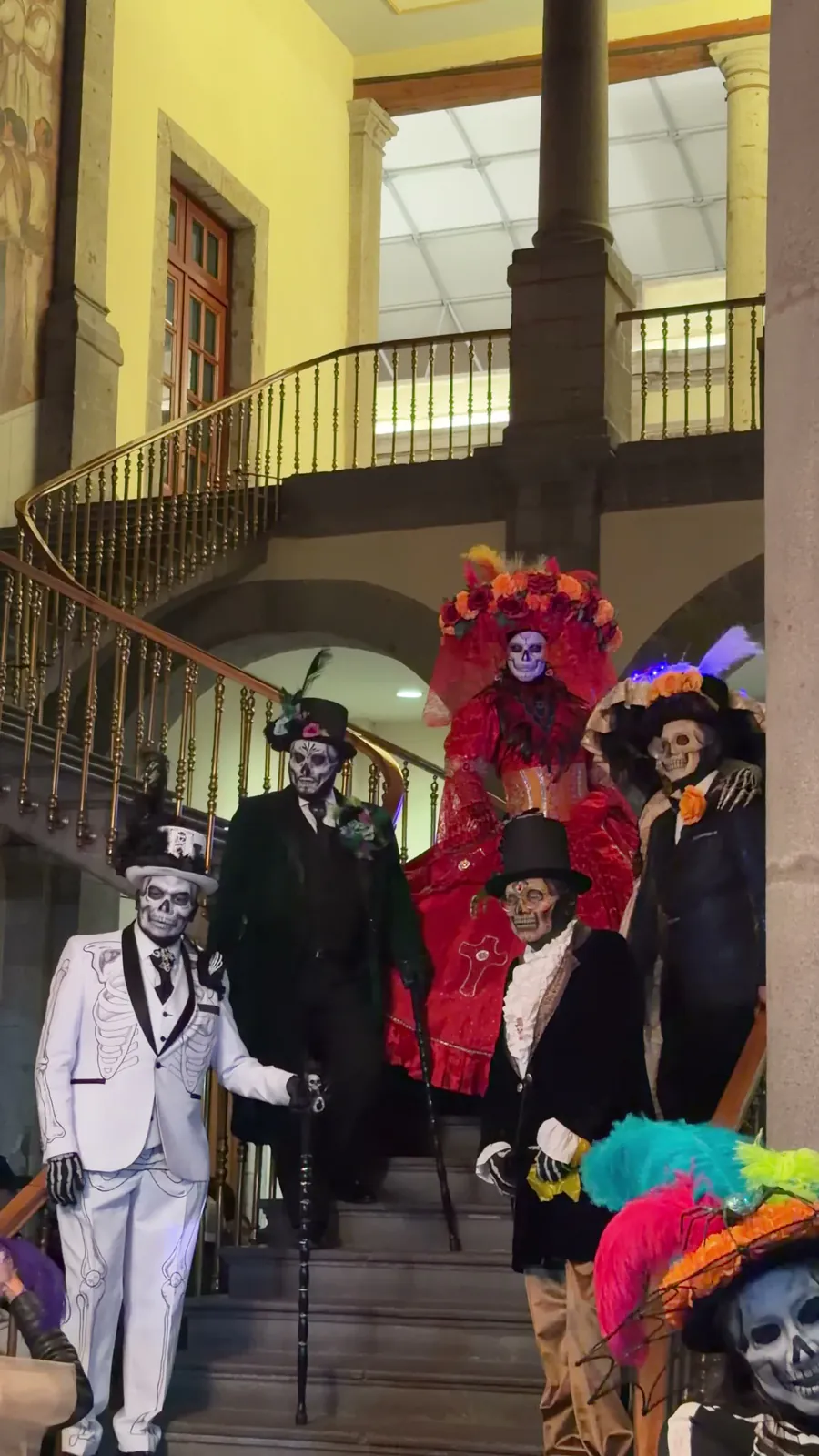
October 28, 2026, was also the final Wednesday of the month, which meant Noche de Museos. We visited Chapultepec Castle after dark, and the entire atmosphere changed with the nighttime performances. My mom even ended up dancing with one of the performers! Check the monthly program for your dates because participating museums and entry rules change.
October 29: the Zócalo mega ofrenda opens
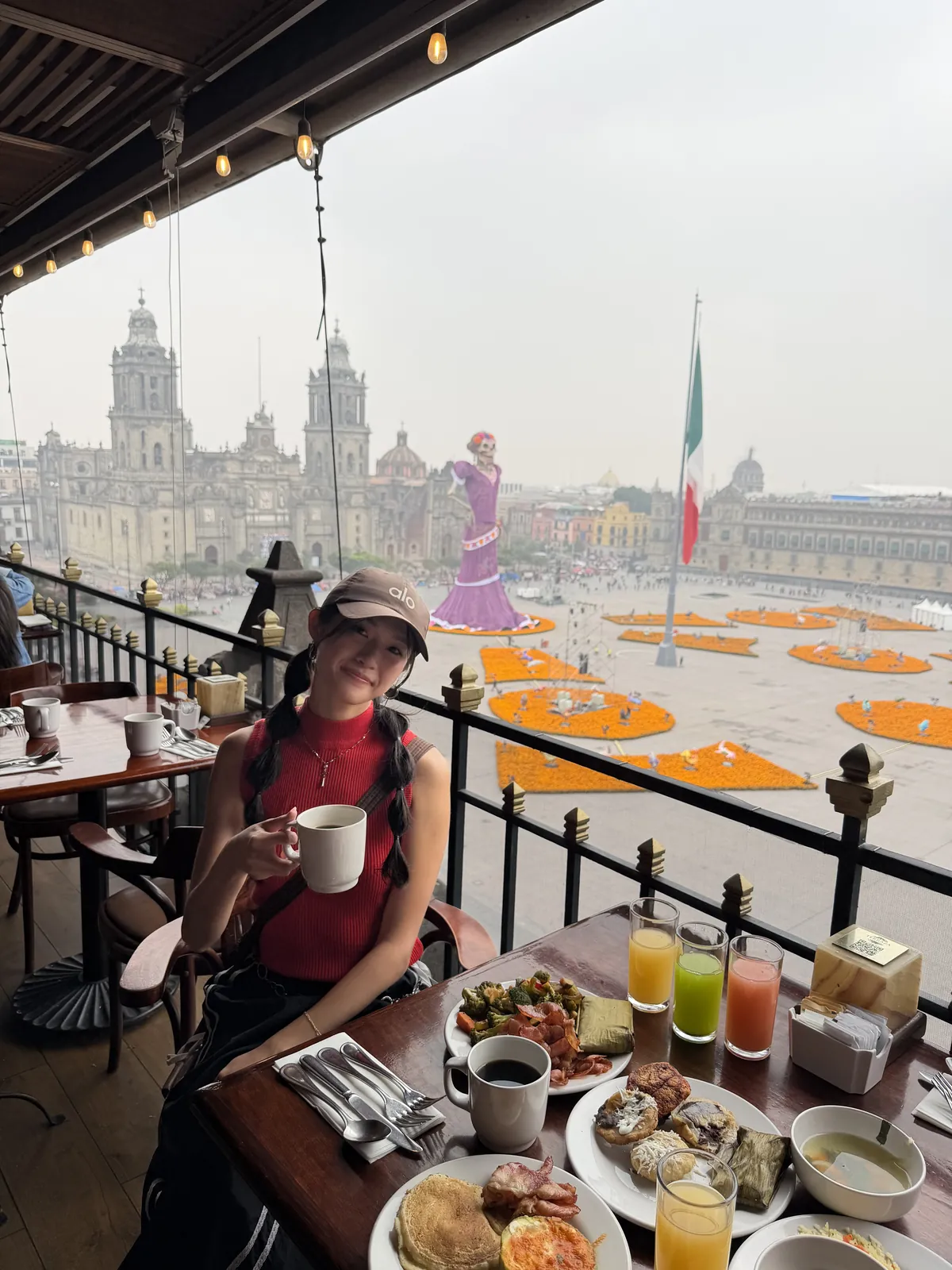
This is when the center of the celebration really shifts toward the Zócalo. In 2026, the Monumental Ofrenda opened October 29 with a 32-meter purple Catrina honoring José Guadalupe Posada, sawdust carpets, and thousands of cempasúchil flowers.
One of my favorite mornings was having breakfast from a terrace overlooking the plaza. Seeing the entire Catrina from above made the scale feel completely unreal! Visit once during the day for the details and again after dark for the illuminated facades.
Community ofrendas also opened around the city, including at Plaza de las Tres Culturas in Tlatelolco and other locations across multiple alcaldías. Coyoacán and Tlalpan are especially good places to look for neighborhood altars and local festivities rather than only large civic installations.
October 30: F1 Friday and Chapultepec after dark
Formula 1 is not guaranteed to fall during Día de Muertos every year, but it has overlapped the holiday week in recent schedules. Always check the official Formula 1 calendar before planning around it.
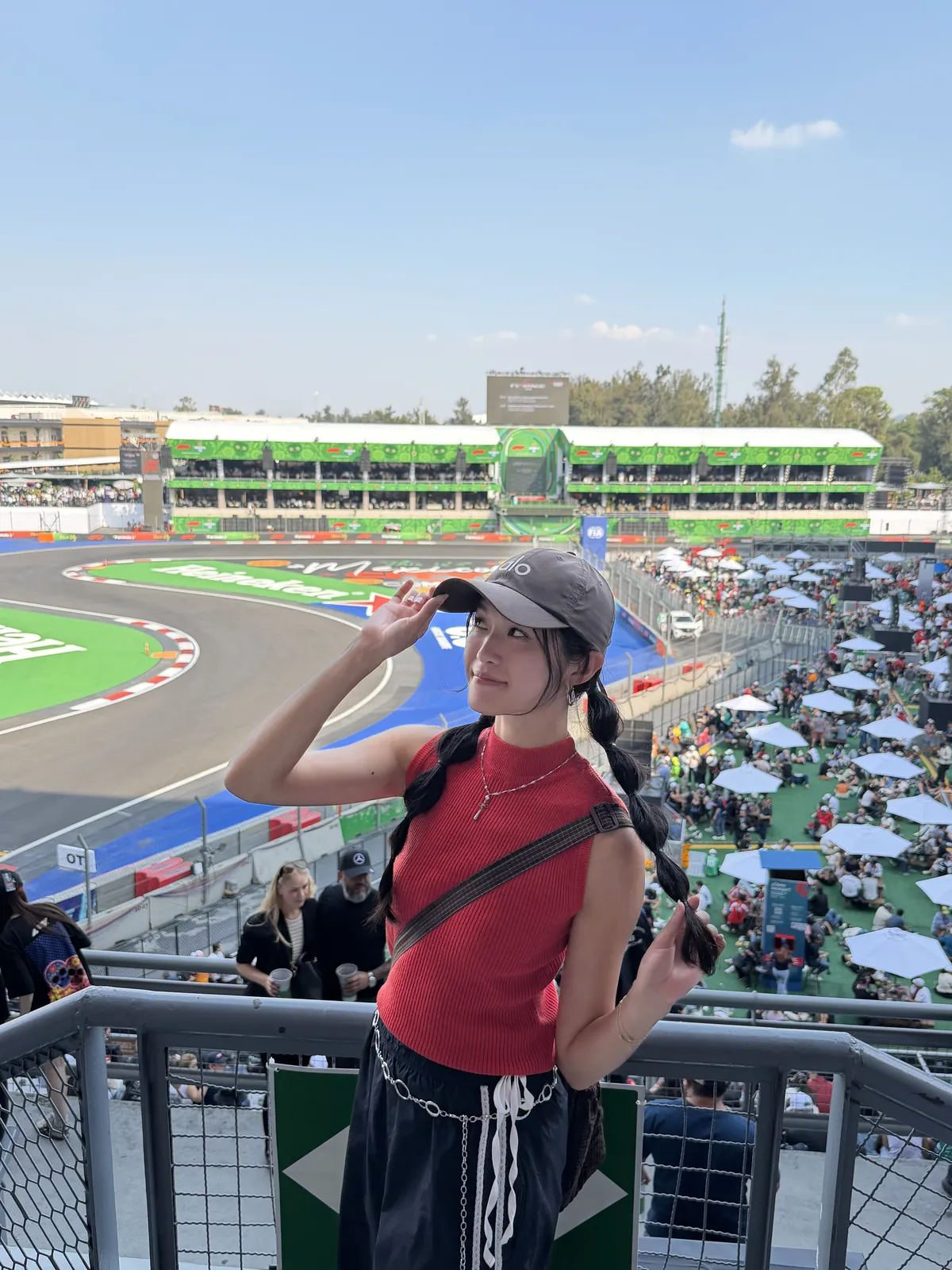
In 2026, we bought tickets for Friday Practice 1 and Practice 2 at Autódromo Hermanos Rodríguez. That was very intentional. Qualifying happened Saturday during the grand parade, and the race was Sunday. Friday let me experience the track, crowds, and festival-like F1 energy without sacrificing the Día de Muertos event I cared about most. 🏎️
Leave early, expect packed public transportation and long exits, and do not schedule a timed dinner across the city immediately afterward.
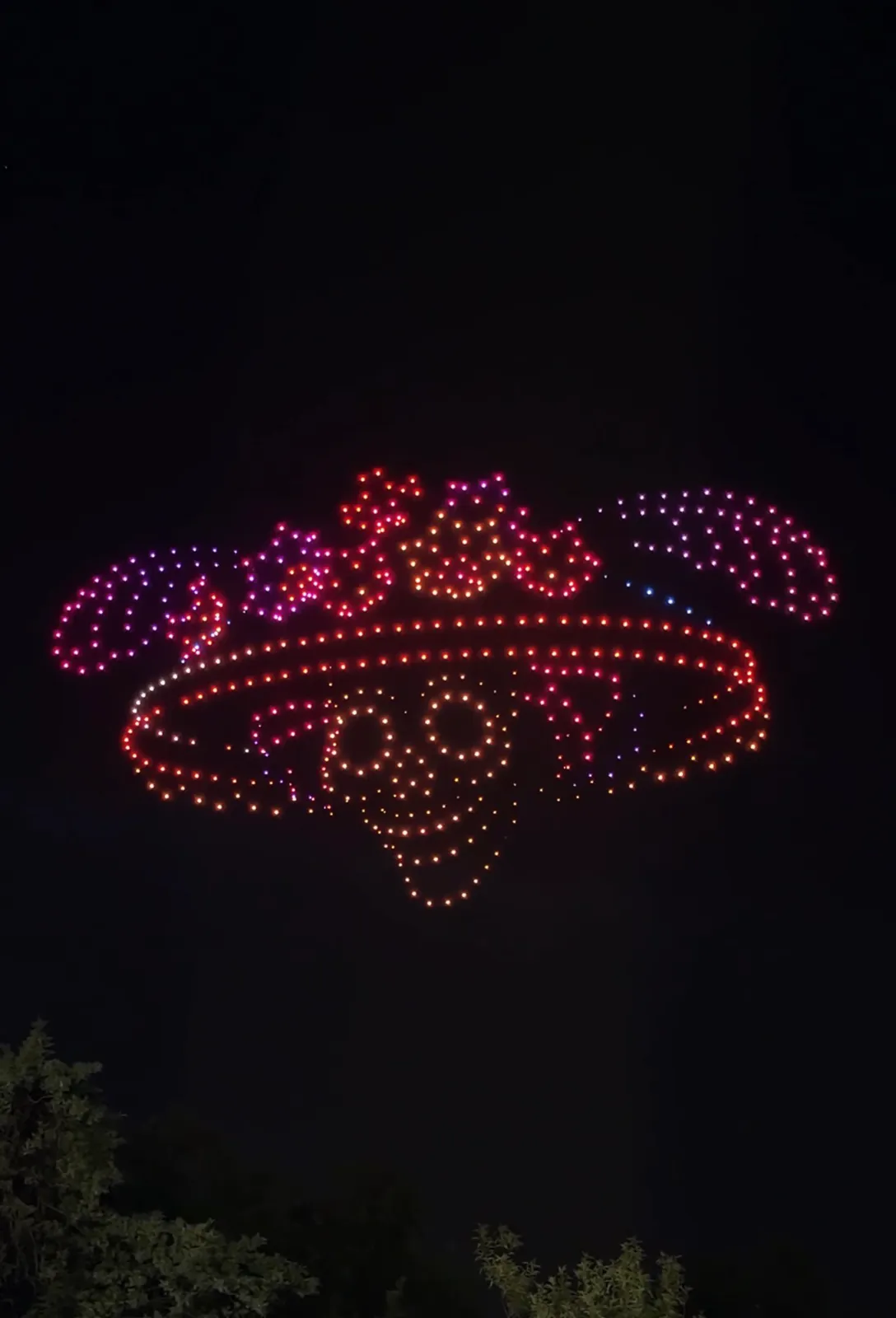
By this point, the Día de Muertos festival in Chapultepec’s Second Section was also running. In 2026, the Sendero del Cempasúchil included ofrendas, food, music, dancing, and a nighttime drone show around Paseo de los Compositores and Lago Mayor. It was unusual, fun, and completely different from the Zócalo.
October 31: the grand Día de Muertos parade
This was the event I most wanted to see. In 2026, the Gran Desfile de Día de Muertos began at 2 p.m. near the Diana Cazadora, traveled along Paseo de la Reforma and Avenida Juárez, and finished in the Zócalo.
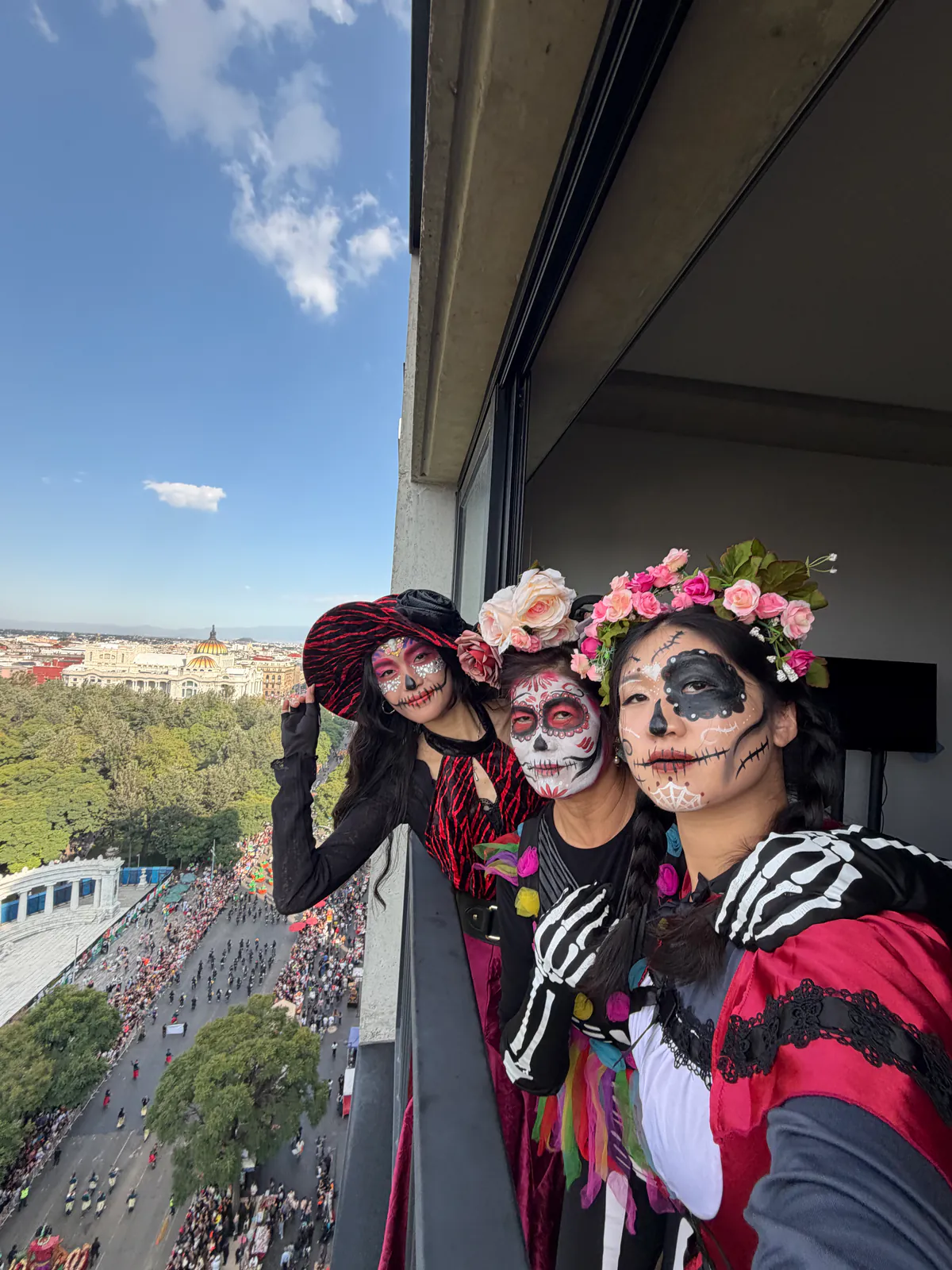
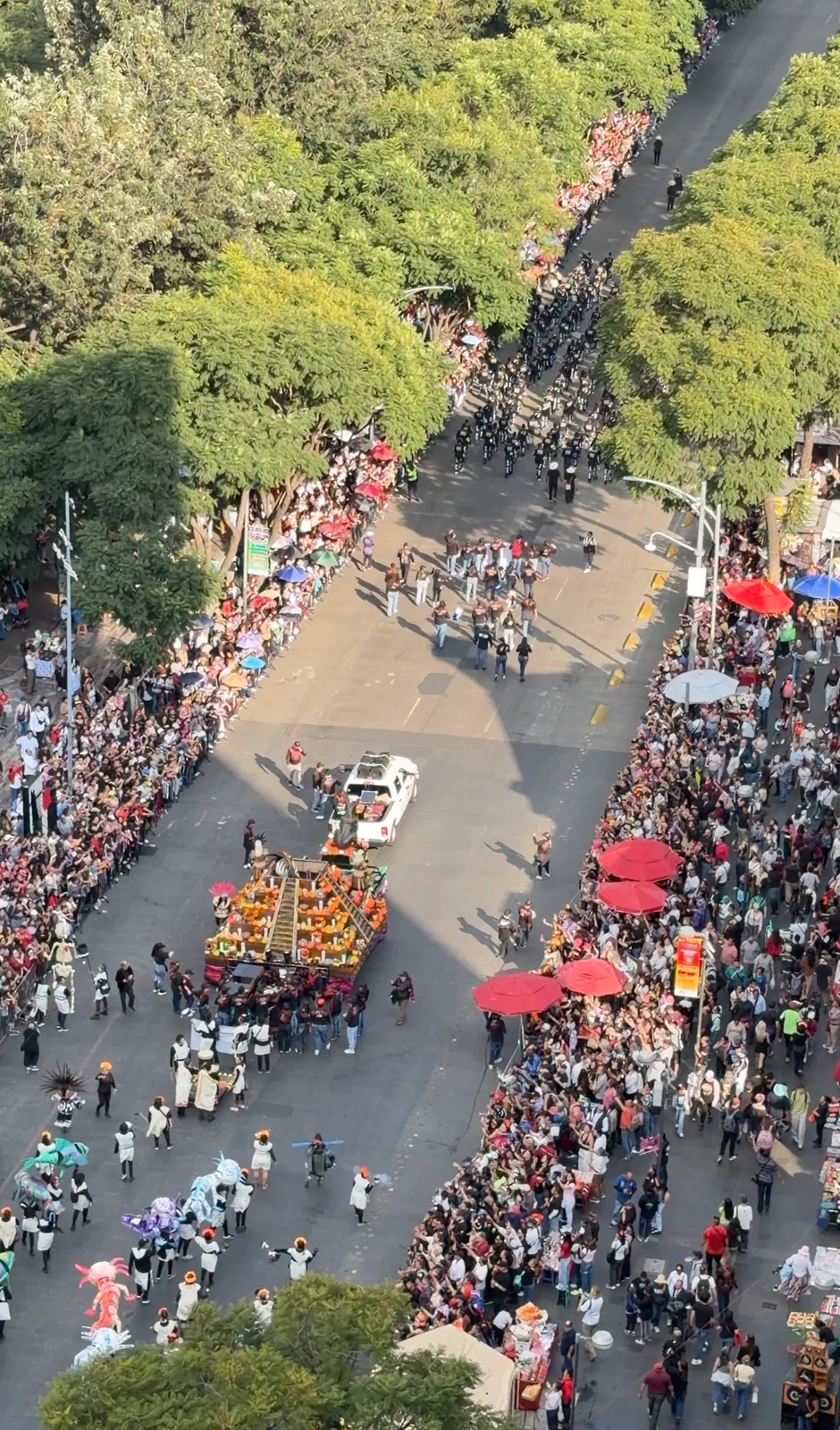
We got our skull makeup done, dressed up, and watched the parade from our balcony above Avenida Juárez. It was honestly a 10/10 decision. From above, we could see entire marching-band rows, dancers’ orange and purple skirts opening into patterns, floats, and giant puppets moving through the crowds.
The official parade was much more contained than the Catrina procession. Barricades kept the route clear, but the sidewalks were packed, and everything became tighter as people followed the procession toward the Zócalo. If you do not have a balcony, watch around Reforma or western Avenida Juárez rather than waiting at the endpoint. The Zócalo is exciting, but it becomes extremely busy and compressed.
Go out for face paint early this morning. Artists will be set up around the streets and hotels, but the best lines fill quickly. Bring a reference image, ask the price before sitting down, and leave time for corrections.
This date also created impossible choices in 2026: F1 qualifying ran the same afternoon, Mixquic’s observances began, and UNAM’s Megaofrenda opened at Universum. You cannot do everything. I chose the parade, and I would make the same choice again.
November 1: choose F1, UNAM, Mixquic, or a day trip
November 1 is where this guide has to become honest: you will need to choose. In 2026, the Formula 1 race began at 2 p.m., the UNAM Megaofrenda continued at Universum, Mixquic welcomed returning souls, and the Zócalo and Chapultepec programs were still active.
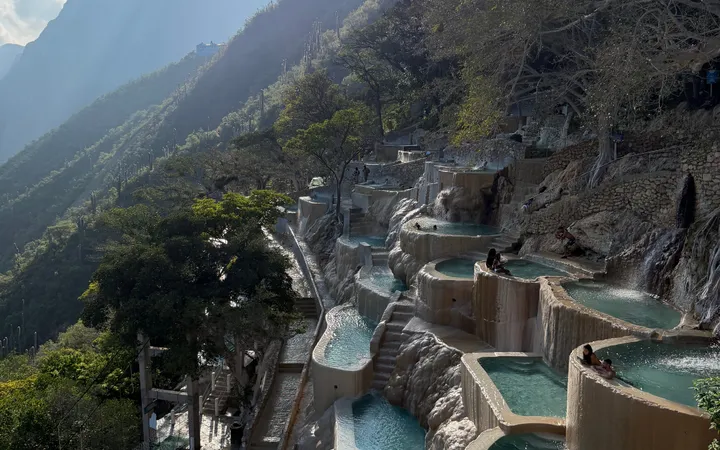
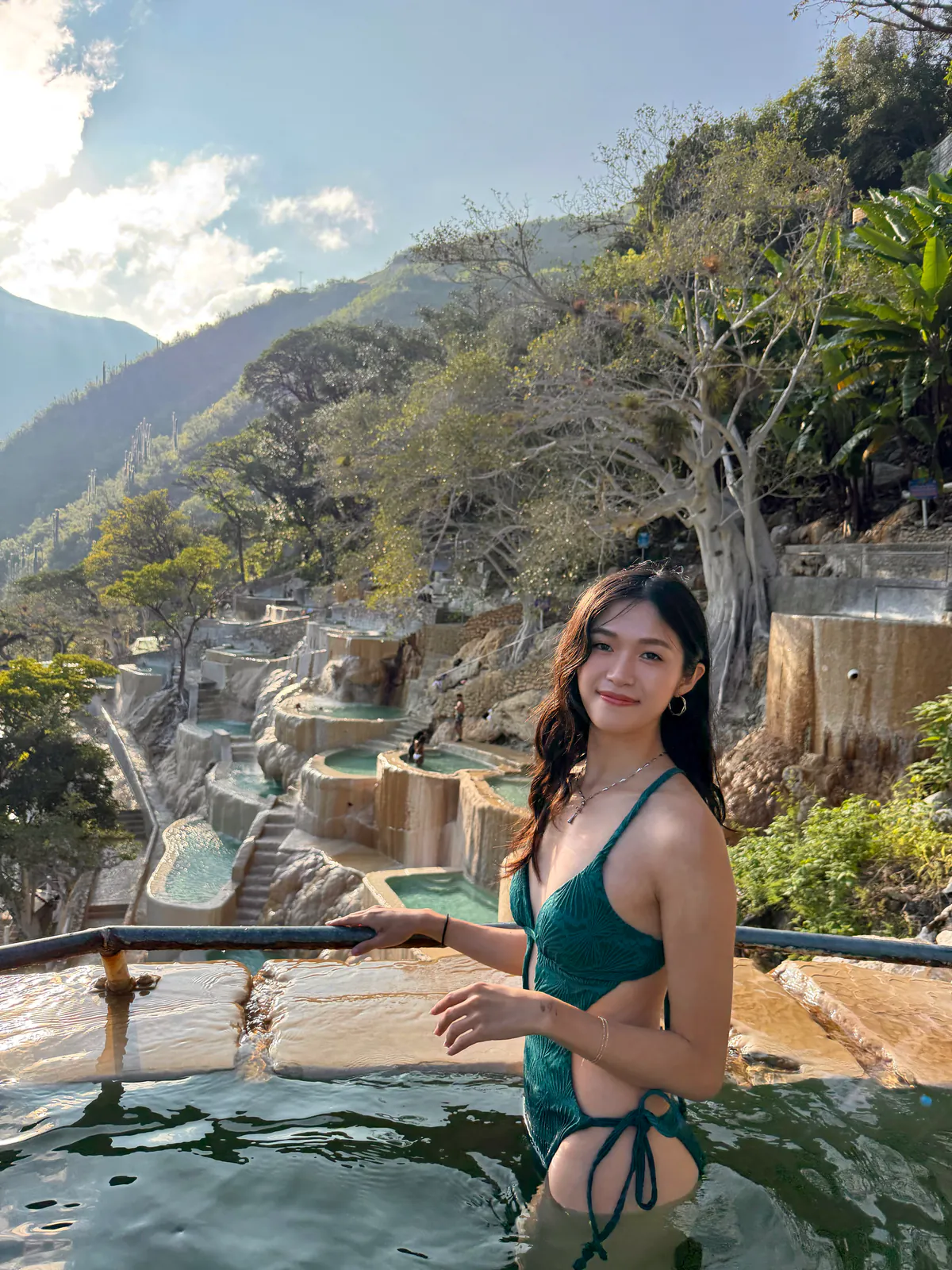
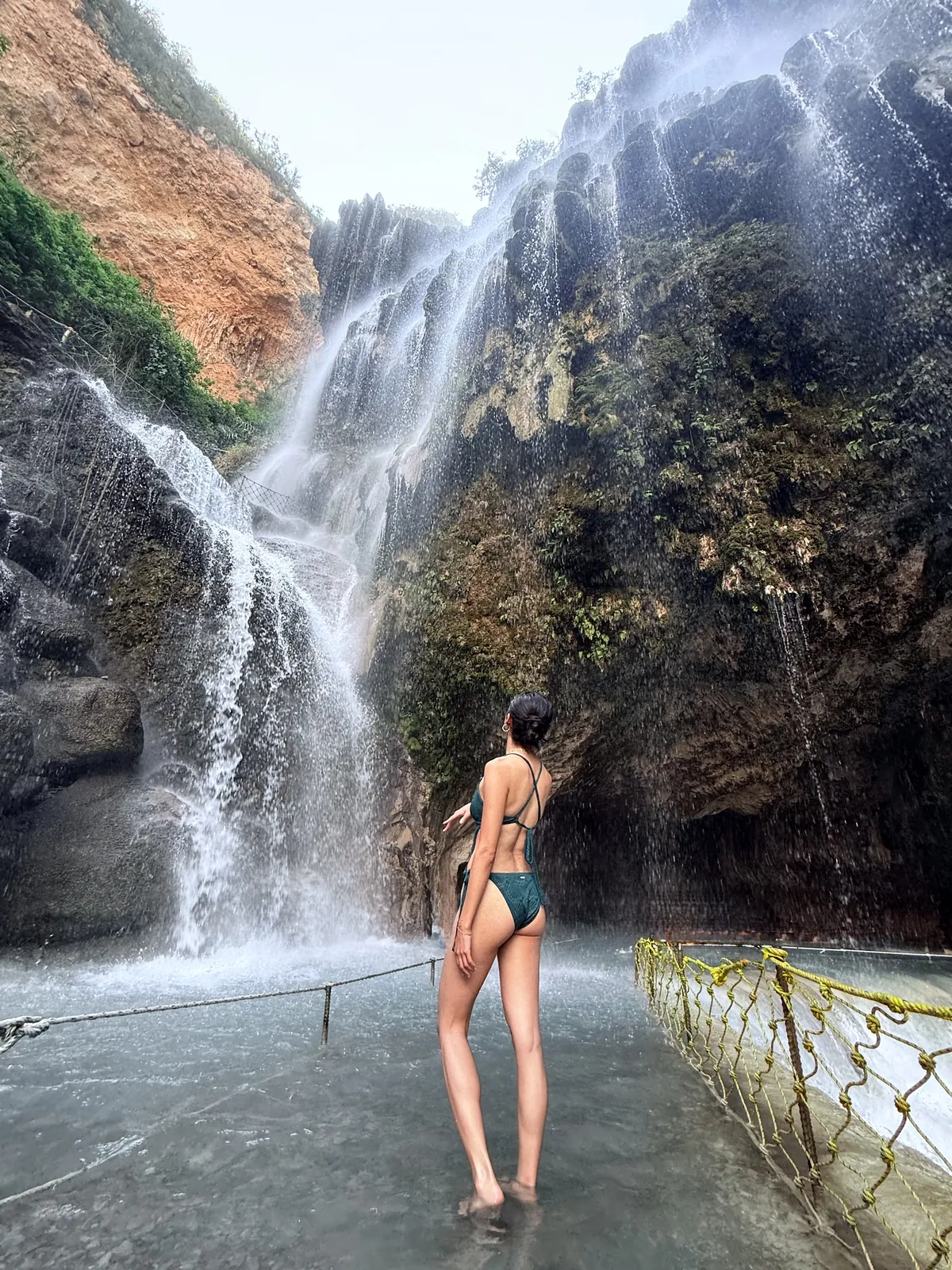
We used this day for our Grutas de Tolantongo tour from Mexico City. It is not related to Día de Muertos, but the cliffside thermal pools and waterfalls were absolutely beautiful. The tradeoff is that it takes an entire day and starts extremely early, so I would only choose it after protecting the city events that matter most to you.
If you want a fully Día de Muertos-focused trip, stay in the city for UNAM’s creative student ofrendas or go to Mixquic. Mixquic is a community observance, not an attraction built for visitors. Arrive hours early, ask before photographing families, speak quietly around the cemetery, and never sit or step on graves.
November 2: remembrance and La Alumbrada
November 2 is the heart of Día de Muertos itself. Many public displays reach their final day, but this is also when the meaning behind the entire week matters most.
The most famous nighttime observance is La Alumbrada in San Andrés Mixquic, when families illuminate the cemetery with candles, flowers, prayers, and songs. This is profoundly different from a parade. If you go, be respectful, keep your voice down, and understand that you are entering a sacred family space.
The Zócalo ofrenda was scheduled through November 2 in 2026, and the UNAM Megaofrenda also continued that day. If Mixquic feels too logistically intense, these are easier ways to spend the final day while still seeing meaningful altars and community artwork.
What continues after November 2: The city does not remove every decoration the moment the holiday ends.
Do not assume every installation disappears overnight. In 2026, the Chapultepec festival and Zócalo illumination continued through November 4, while Reforma’s light installation continued through November 8.
This can be a smart time to see major decorations with slightly less pressure, but always verify closing dates. The actual ofrendas, concerts, and access hours may end earlier than the surrounding lights.
Where I stayed for the perfect parade view
We stayed in an Airbnb listed as Alameda Bellas Artes Loft Centro Kince, inside Second Home Juárez 56, directly across from Alameda Central. The location was perfect for walking to the Historic Center, the staff and security were wonderful, and the balcony looked directly over the grand parade route with Bellas Artes in the distance.
But I have to be very honest: it was loud. We were in the middle of all the activity, with crowds, music, and fireworks almost every night. Saint Jude’s Day was especially intense. It was hard to sleep, even though the location was incredible.
If you want a similar balcony view, search along the confirmed route—usually the area around the Diana Cazadora, Paseo de la Reforma, Avenida Juárez, and the approach to the Zócalo. Do not rely on “near the parade” in a listing description. Message the host and ask:
- Does the balcony face the street used by the parade?
- Is the view blocked by trees, another building, or a setback?
- Can guests stand on the balcony during the event?
- Are the windows double-glazed?
- Is the reservation refundable if the official route changes?
Our Alameda-facing balcony was amazing because we could see Avenida Juárez itself above the trees. A room in the same building facing the wrong direction would have been a completely different experience.
My biggest planning tips
- Book six months ahead if you can. At two or three months out, our options were already limited and expensive.
- Do not fly in on the day of a must-see event. That is how I missed the Mega Procesión de las Catrinas.
- Check both the city and F1 calendars. The race often overlaps this period, but the dates are not guaranteed.
- Choose your priority when events collide. Parade, F1 qualifying, UNAM, and Mixquic can all compete for the same afternoon.
- Go downstairs early for face paint. Street artists are everywhere, but their lines grow fast.
- Stay central for convenience, farther away for sleep. A route-facing room gives you an unforgettable view and unforgettable noise.
- Keep one evening completely open. Smaller concerts, community ofrendas, and performances are announced late.
- Use public transportation, but expect closures. Your normal route may disappear when Reforma or Avenida Juárez closes.
- Remember what the holiday means. The spectacle is incredible, but the flowers, photographs, candles, and ofrendas are ultimately about remembering loved ones.
Mexico City during Día de Muertos week is crowded, chaotic, colorful, emotional, and genuinely one of the most exciting trips I have ever taken. You will not see everything—and that is okay. Pick the events you would be heartbroken to miss, give yourself more time than you think you need, and let the rest of the city surprise you. 💀🌼