Free Things to Do in Rome for a First Trip
Rome is expensive in the sneaky way: the famous views are free, but the ticketed attractions, taxis, pasta stops, gelato repeats, and “wait, should we book the guided tour?” moments add up fast. The good news is that some of the best first-trip Rome stops are still free to see. 💸
This is the free Rome route I would build into a first visit: Trevi Fountain, Spanish Steps, St. Peter’s Square, the Altar of the Fatherland, and the outside of the Pantheon. The key is knowing the difference between free piazzas/exteriors, churches with security and dress rules, and ticketed interiors or museums.
The Pantheon needs one important note now: the interior is ticketed for most visitors, but the exterior piazza is still free to enjoy, and some free-entry categories still apply.
For a complete route that mixes free sights with the Colosseum, Vatican, and food stops, use my 3 days in Rome itinerary. For the bigger attraction list, read my best things to do in Rome.
The best free Rome plan is not “do everything free.” It is using free sights to balance out the expensive tickets you should actually book, like the Colosseum and Vatican Museums.
Trevi Fountain
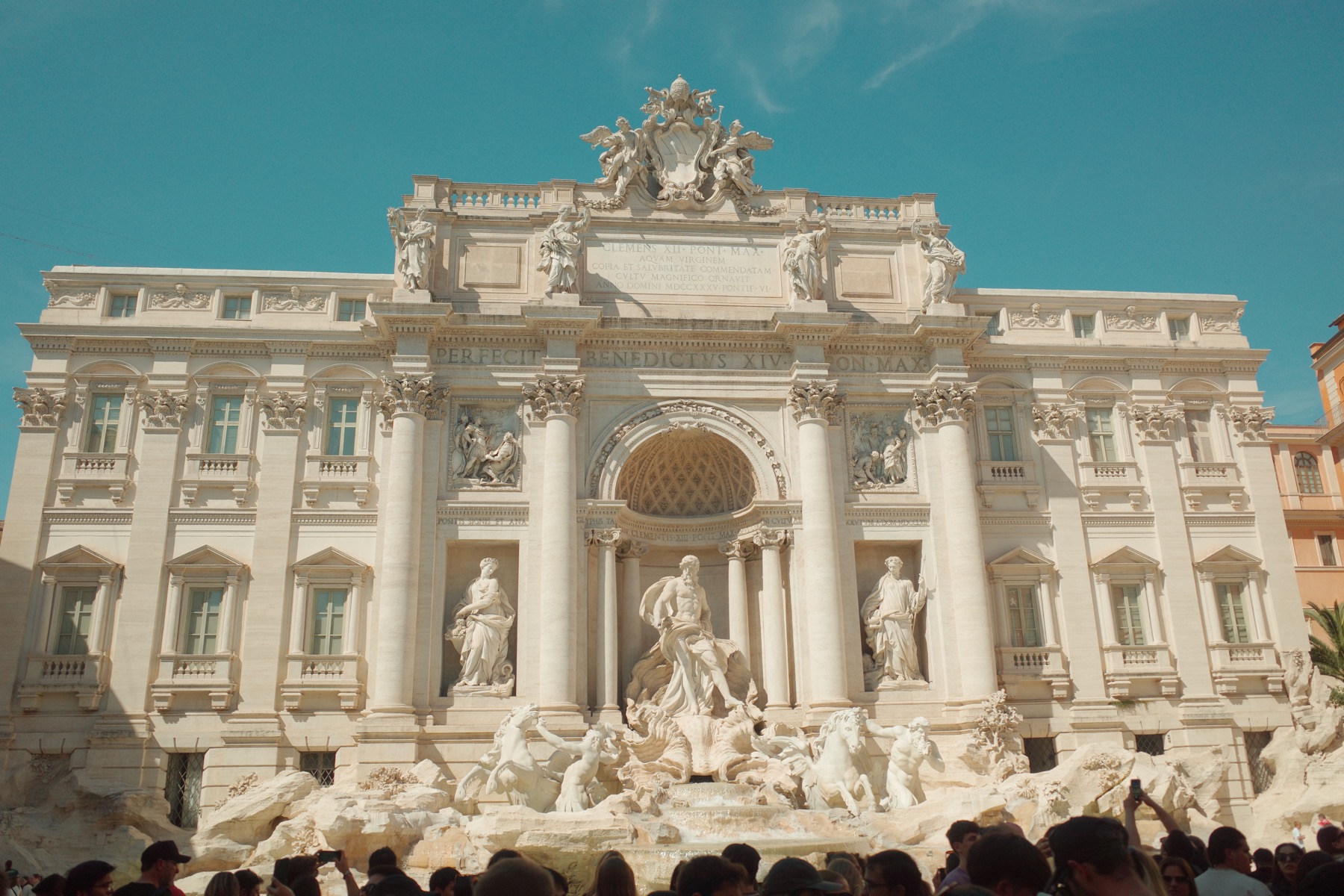
Trevi Fountain is free, iconic, and absolutely not a secret. It will probably be packed, and I would still go. We mostly saw it from afar because of the crowds, but it was still really, really beautiful.
If you want to do the classic coin toss, stand with your back to the fountain and toss a coin over your left shoulder with your right hand. Then give yourself permission to move on. Trevi is worth seeing, but it does not need to eat your whole afternoon.
Best timing: early morning for the calmest experience, late evening for atmosphere, or whenever it naturally fits between the Pantheon and Spanish Steps.
If you want more context around the fountain and Rome’s water system, a short guided experience can be worthwhile, but the fountain itself is free to visit. For a budget-first trip, do the free version unless you specifically want the history.
Spanish Steps
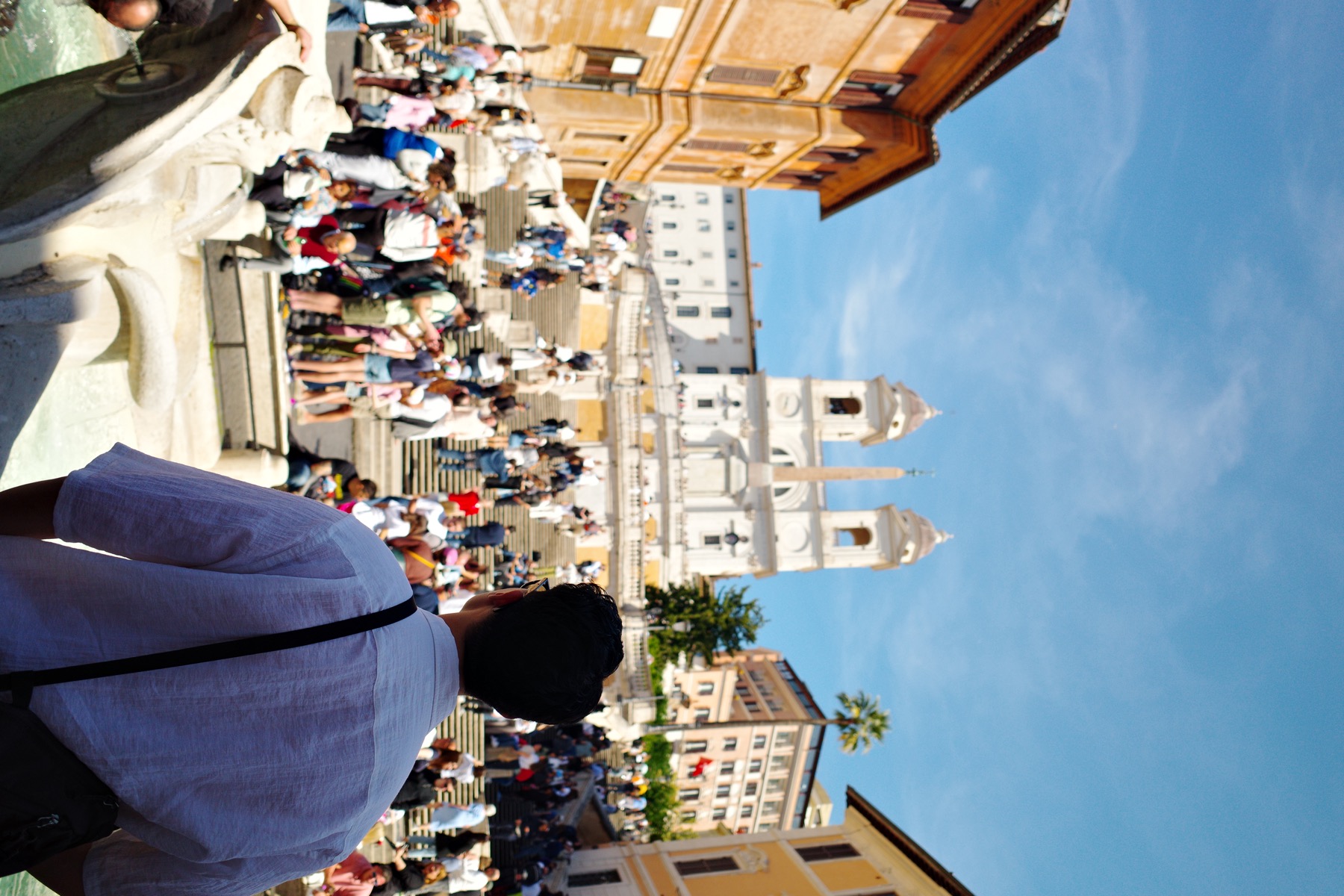
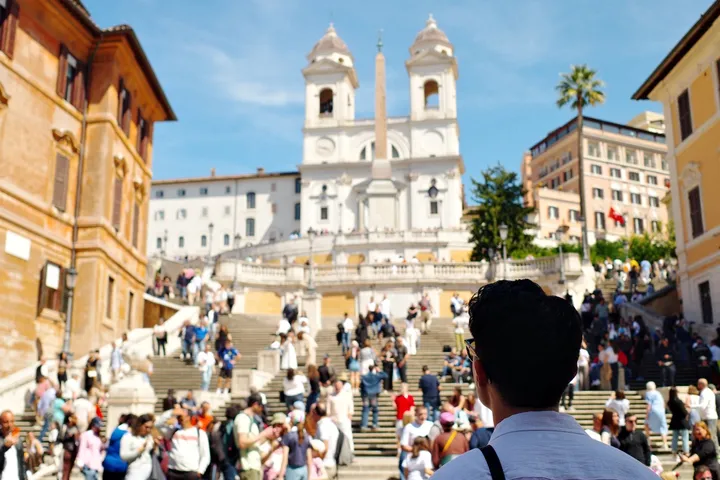
The Spanish Steps are one of the easiest free stops to pair with Trevi Fountain. There are 135 steps, Baroque architecture, and a pretty view from the top. This is not a long activity; it is more of a classic Rome pause.
The main thing to know is that sitting on the Spanish Steps is not allowed, so treat this as a walk-through and photo stop rather than a picnic spot.
Go early if you want photos without heavy crowds. If you are coming from Trevi, the walk is simple and gives you a compact historic-center route without needing transit.
St. Peter’s Square
St. Peter’s Square is free to enter and absolutely worth seeing, even if you are not doing a full Vatican Museums day. The scale of the piazza, the columns, and the view toward St. Peter’s Basilica feel completely different from the rest of Rome.
If you visit on a Wednesday morning and the schedule lines up, you may even catch a papal appearance. We saw the Pope after our Vatican Museums visit, and it was such a wild bonus moment.
Just do not confuse the square with the full Vatican experience. St. Peter’s Square is free to enter. St. Peter’s Basilica is generally free to visit, but you still need to follow security, dress, and opening-hour rules. The Vatican Museums are ticketed. Check the official St. Peter’s Basilica opening-hours page before planning around a late visit.
Best timing: pair St. Peter’s Square with a Vatican Museums morning, or visit separately early in the day if you want a calmer look at the piazza.
Altar of the Fatherland
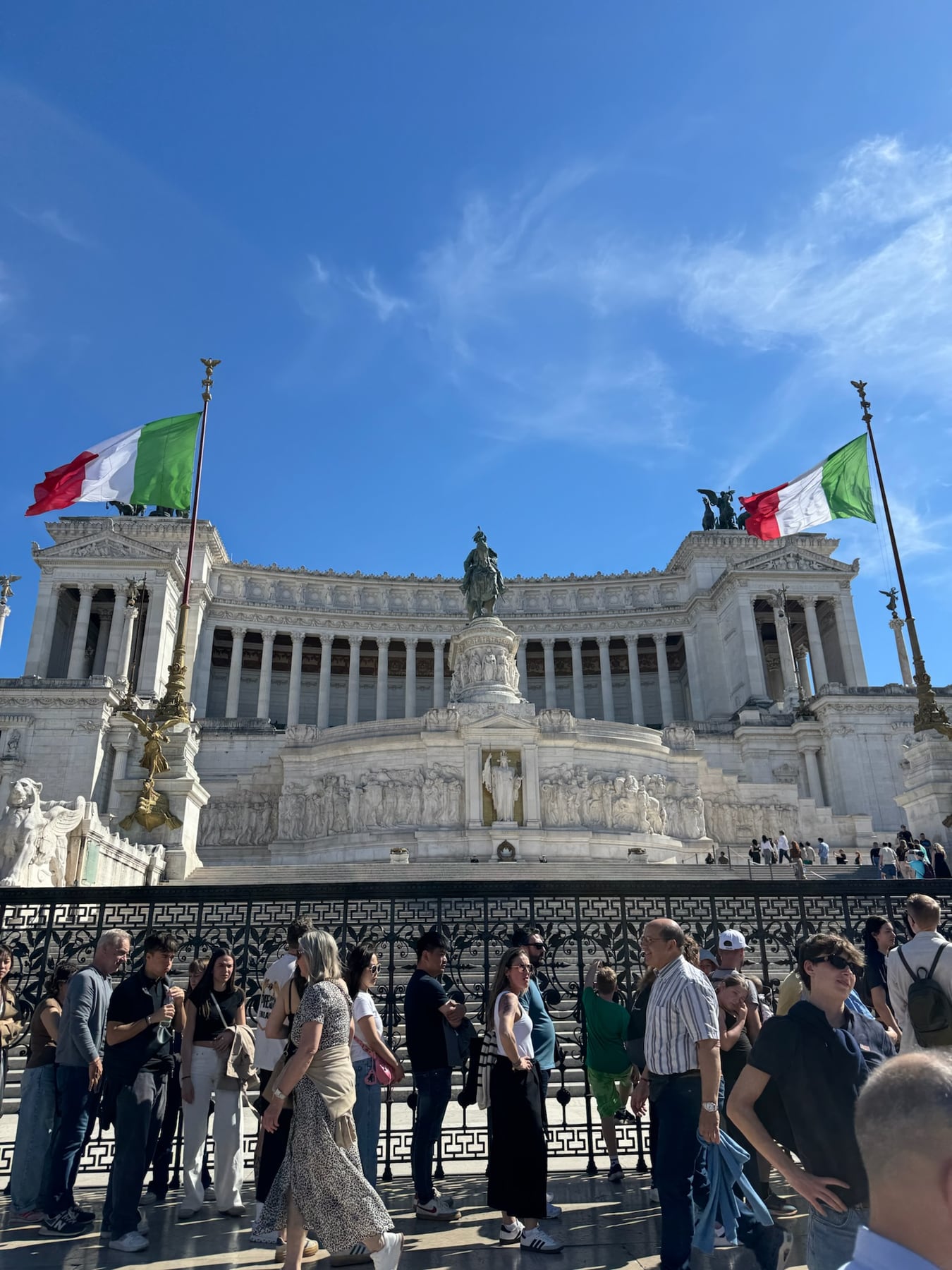
The Altar of the Fatherland is one of my favorite free wins in Rome. It is a gigantic white marble monument right in the middle of the city, and the views are amazing for how easy it is to add.
You can explore the main monument areas for free, take in the scale, and get panoramic views across central Rome. From some viewpoints, you can even see toward the Colosseum, which makes this a perfect bridge between the historic center and ancient Rome.
This works especially well after the Pantheon/Trevi/Spanish Steps route or after walking around the Roman Forum area. It feels grand without requiring a complicated reservation.
Best timing: late afternoon for softer light, or anytime you need a free viewpoint between bigger paid attractions.
Pantheon Exterior
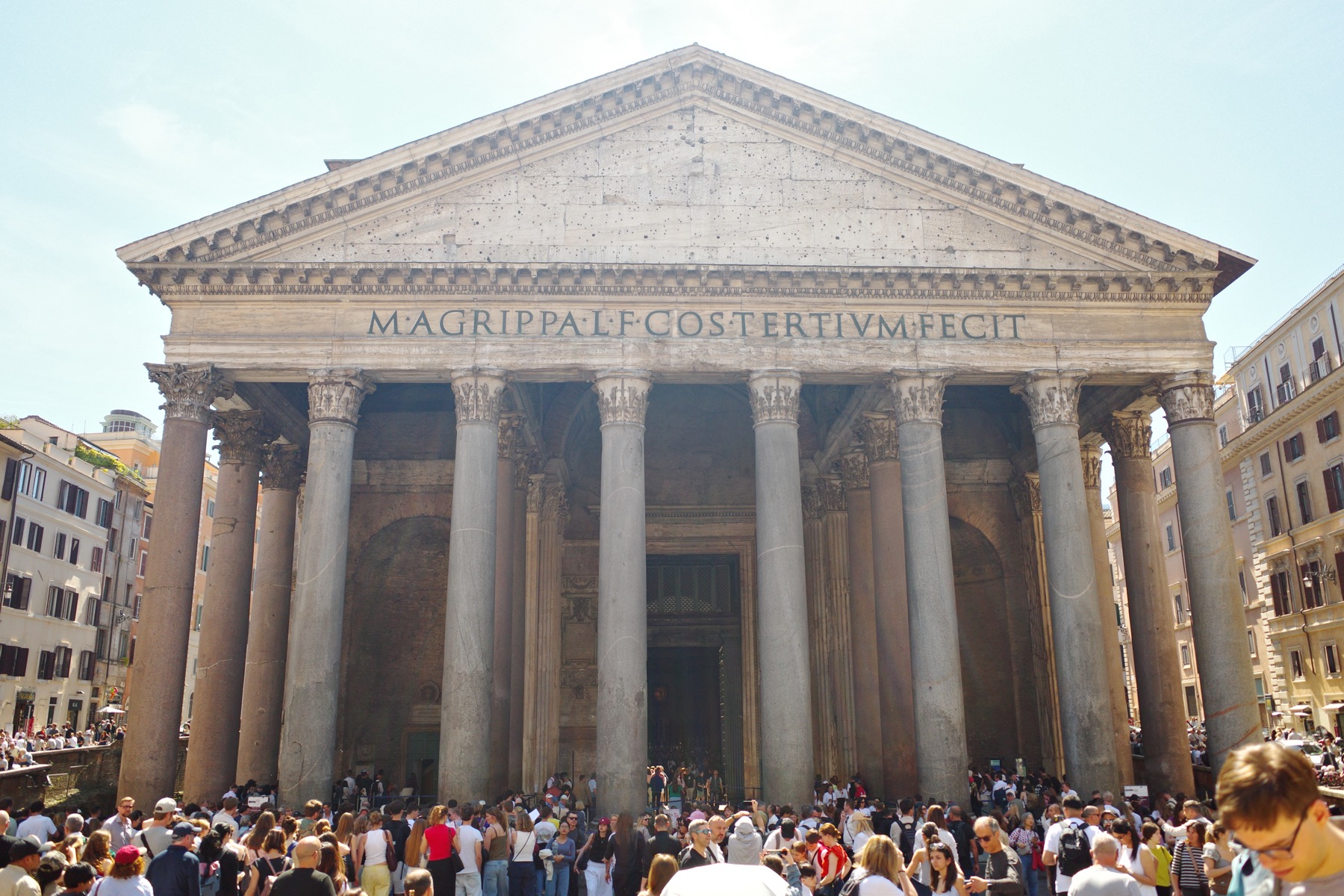
The Pantheon is one of Rome’s most impressive ancient buildings, and the exterior is still free to admire from the piazza. The columns, the scale, and the fact that this building is so well preserved make it worth stopping even if you do not go inside.
The important update: the Pantheon interior is now ticketed for most visitors. As of the official Pantheon visitor information, the full ticket is €7 from July 1, 2026, with reduced and free-entry categories still available. The official site also says skip-the-line entry is not available, and tickets are sold through official channels or on site. Check the official Pantheon information page before you go because rules can change around worship, free-entry days, and visiting slots.
So is the Pantheon a free thing to do in Rome? The outside and piazza, yes. The interior, usually no unless you qualify for free entry or are attending worship.
Budget friendly Rome tours!
If you want a little structure without turning this into a big splurge day, compare shorter walking, biking, or food-focused options before booking one of Rome’s larger attraction tours. Prices and inclusions change, so check the current details for your date before deciding.
What Is Actually Worth Paying For?
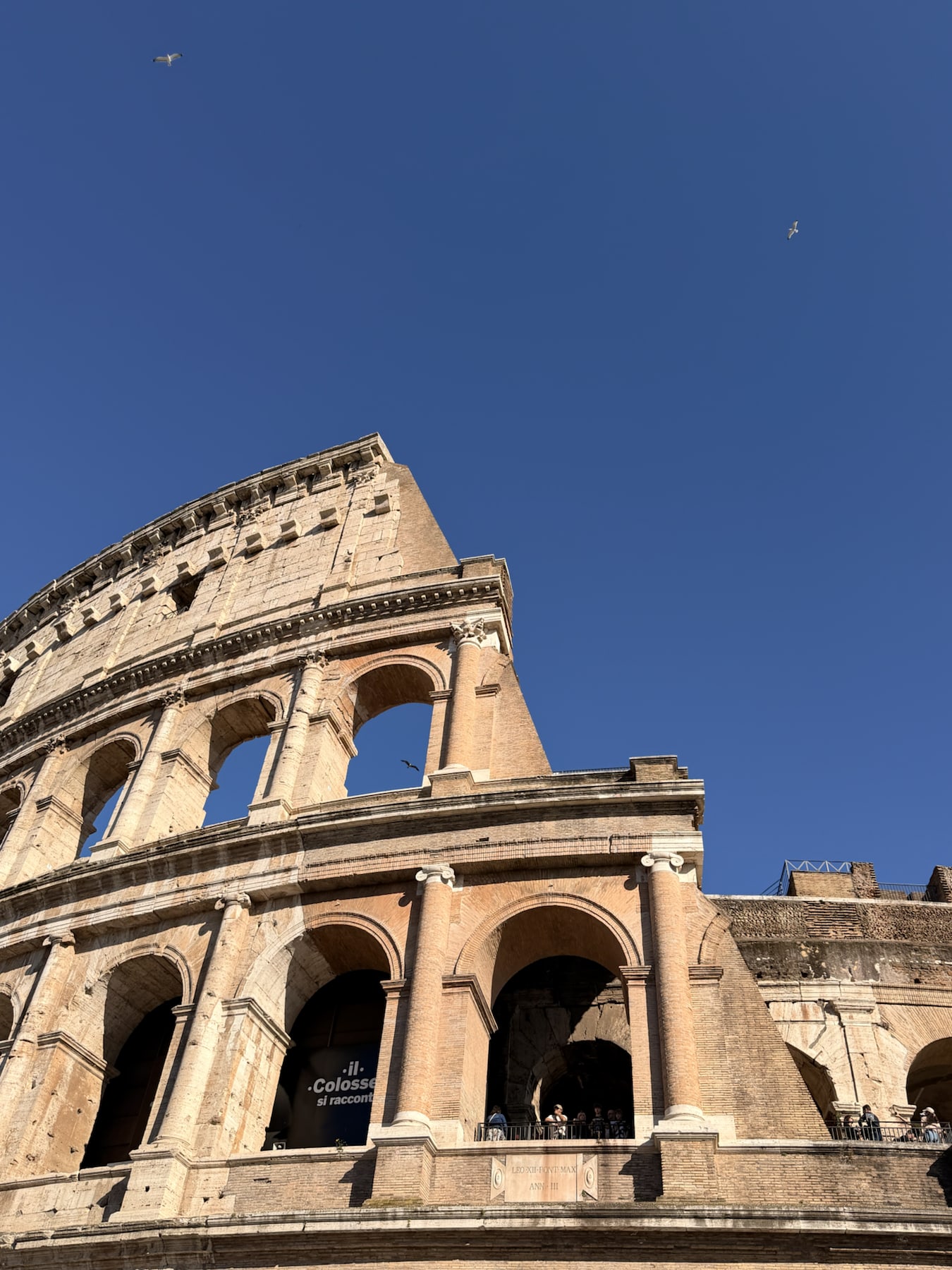
Free sights are a huge part of Rome, but I would still pay for a few experiences. The Colosseum is worth booking properly, especially if you can get arena floor access. The Vatican Museums are worth reserving ahead because the art and ceilings are genuinely jaw-dropping. The Pantheon interior can also be worth it if you care about the architecture and history.
Where I would save money is by using free viewpoints and piazzas between those bigger tickets. You do not need to pay for every guided walk, every rooftop, or every museum to have a full Rome trip.
For booking help, start with my Colosseum ticket guide and Vatican Museums tips. Then use the Rome food guide to decide where your budget should go after the sightseeing.
Keep exploring
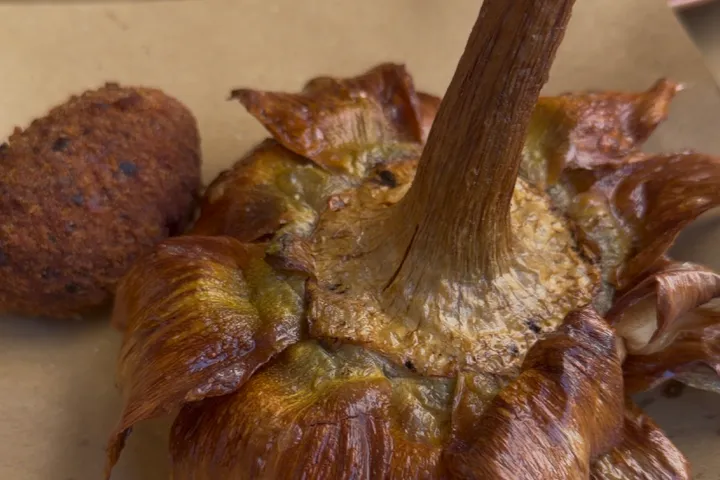
What to Eat in Rome: Pasta, Gelato & Honest Reviews
A first-hand Rome food guide to the best pasta, gelato, cafes, sandwiches, and cocktail bars, plus honest skips and a three-day food plan.
Rome Travel Tips I Wish I Knew Before Going
First-time Rome travel tips for booking the Colosseum and Vatican, avoiding crowd mistakes, grouping neighborhoods, walking smart, and choosing when tours are worth it.