Best Things to Do in Seville, Spain: The Full List
Seville surprised me with how much there was to do once I stopped treating it like a quick palace-and-tapas city. I would build a first trip around the Alcázar, Cathedral, Plaza de España, a slower park or river break, and at least one evening that belongs to flamenco or tapas. This list is organized by type so you can choose what fits your own number of days without turning the trip into a checklist.
If you only have a short trip, I would prioritize it like this:
- 1 day: Royal Alcázar, Seville Cathedral and La Giralda, a wander through Santa Cruz, and tapas at night.
- 2 days: Add Plaza de España, María Luisa Park, Las Setas after dark, and one proper sit-down meal.
- 3 days: Add the riverfront, flamenco, a slower food crawl, and one flexible neighborhood or park morning.
Book the Alcázar first, then the Cathedral, then any flamenco show or sunset Las Setas ticket you care about. Everything else can flex around the weather, your energy, and how much time you want to spend wandering.
Historic Sites
This is the part of Seville that ends up on postcards, and mostly for good reason.
Royal Alcázar of Seville
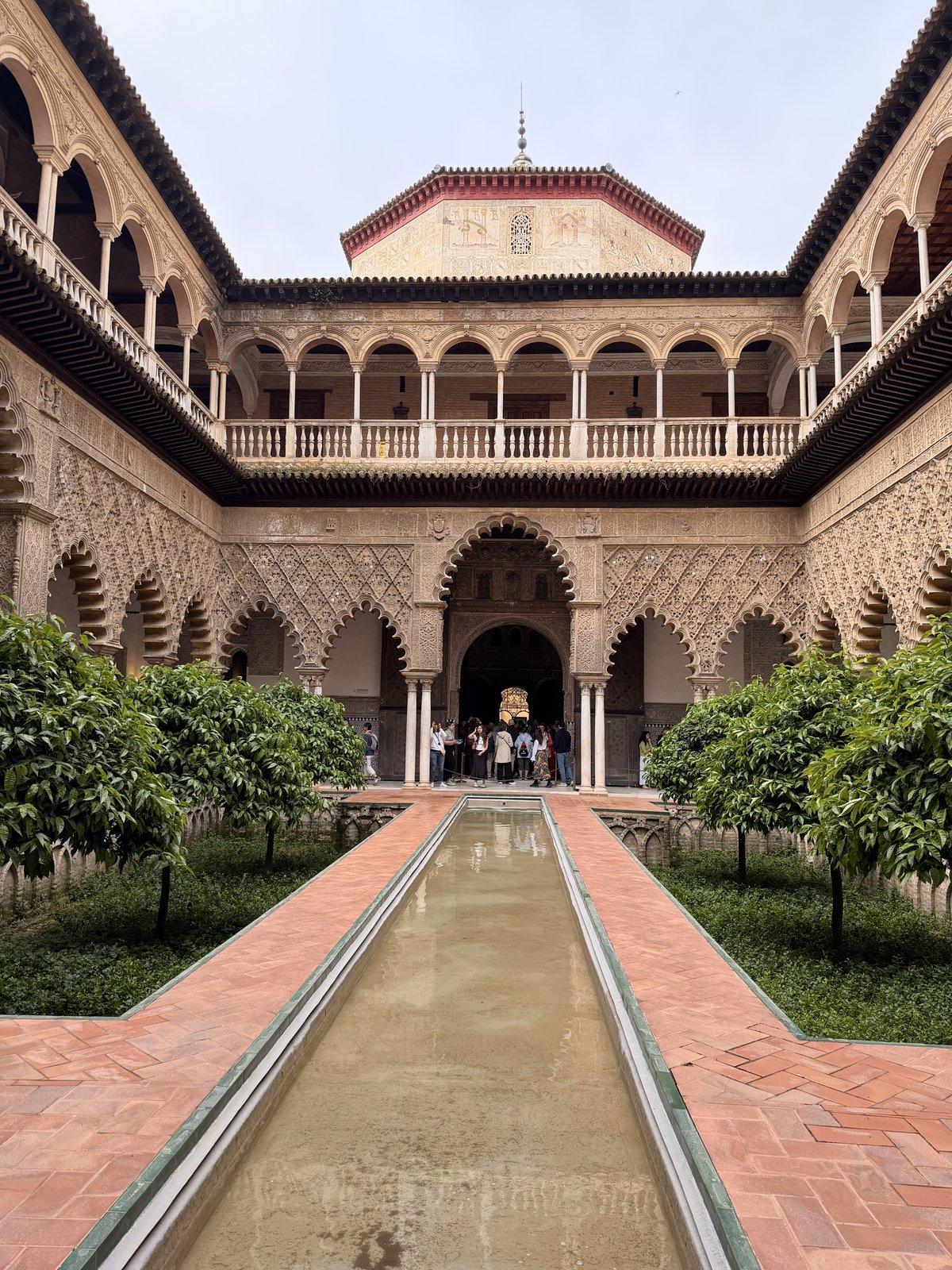
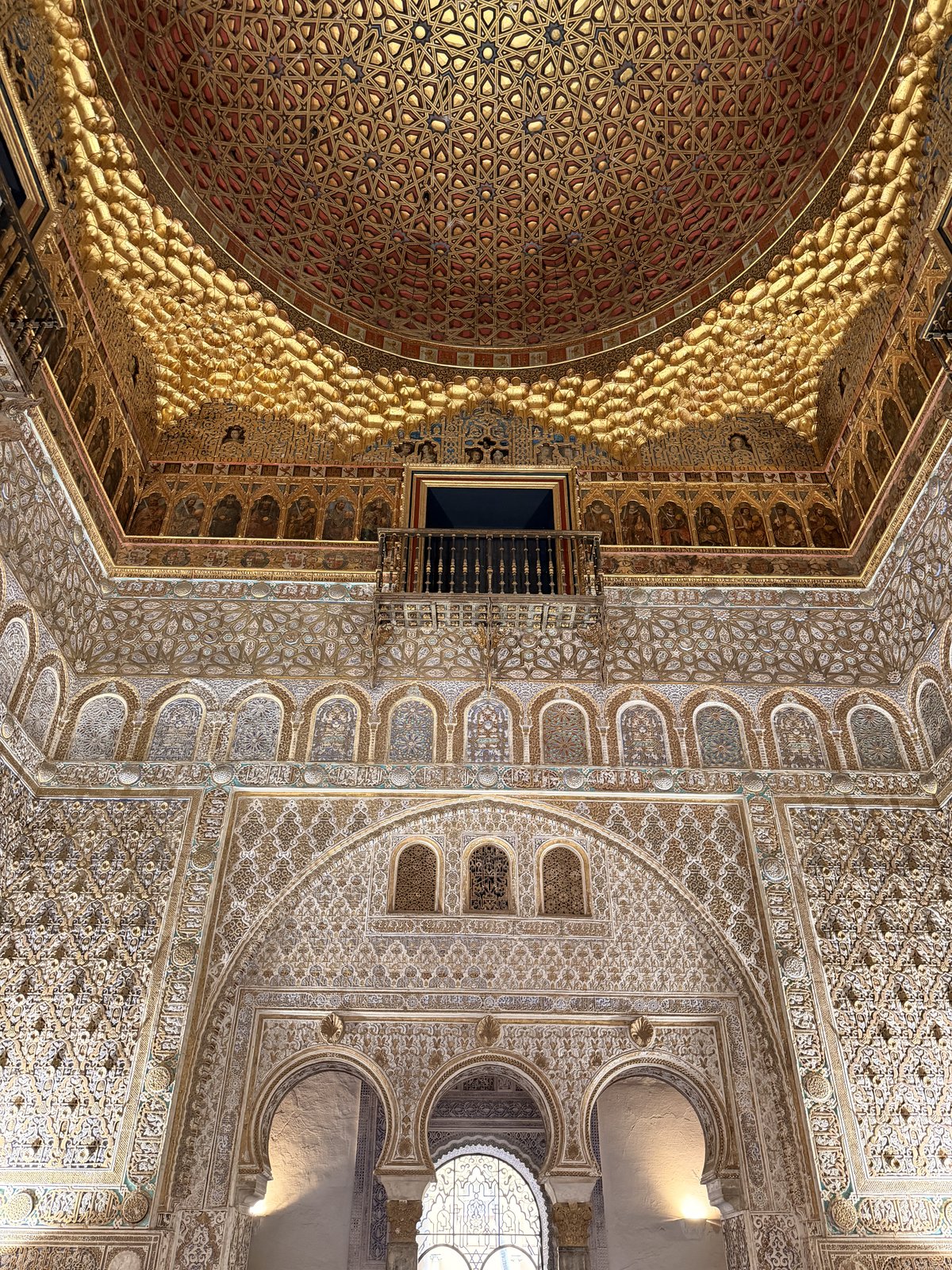
Start here if you start anywhere. It’s the oldest royal palace still in use in Europe — the Spanish royal family still stays in the upper apartments when they’re in town — and it doubled as Dorne in HBO’s Game of Thrones (the Ambassadors’ Hall and gardens are instantly recognizable).
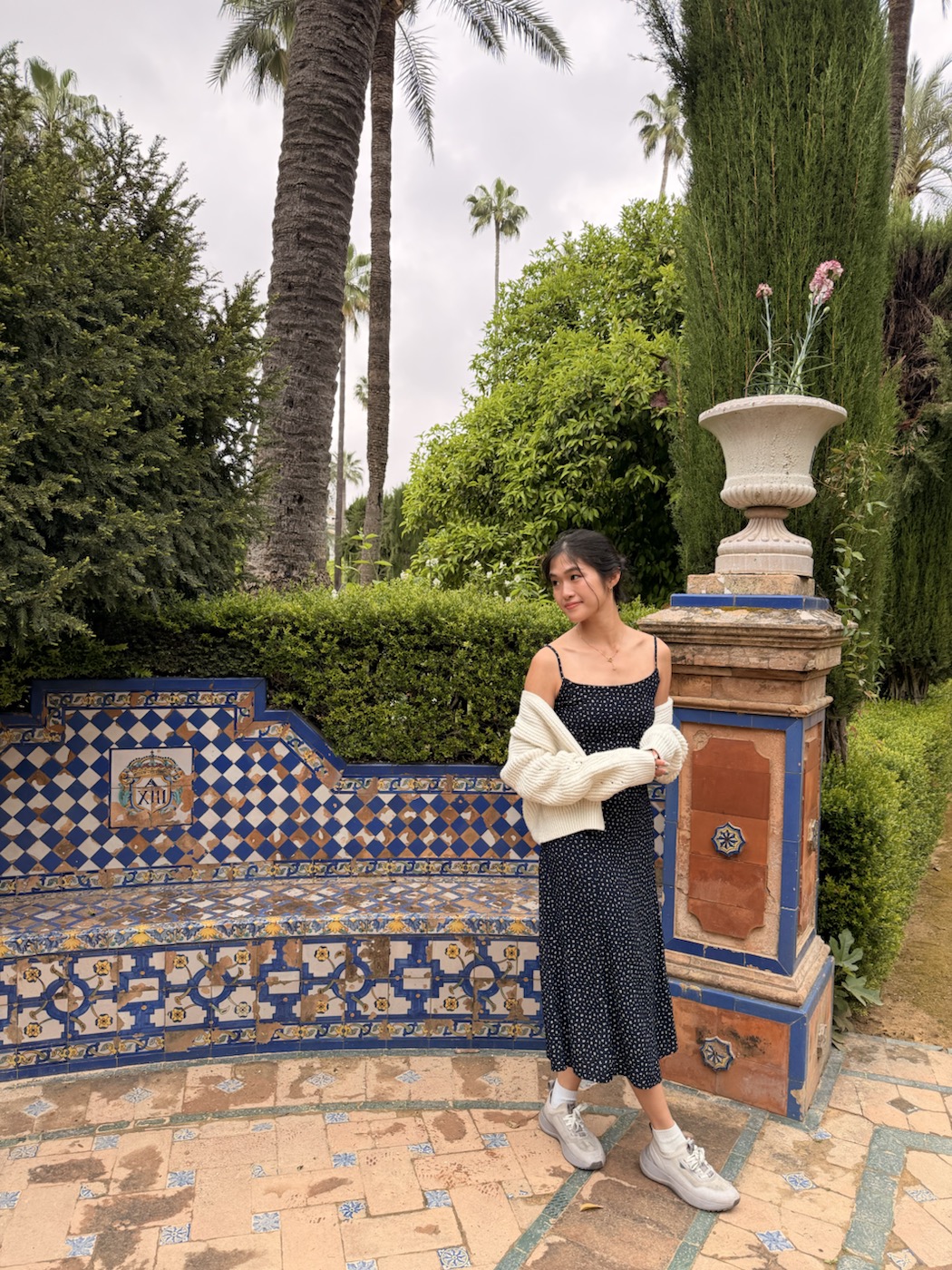
The garden surrounding the Alcázar is impressive enough on its own. With an entire garden maze to explore - fun for kids and adults alike! FYI Peacocks roam the gardens freely, so don’t be startled! 🦚
Ticket prices and capacity rules can change, but entry is timed and popular dates can sell out well ahead. I would give the palace and gardens about three hours, then check the official Royal Alcázar visitor information for the current schedule and ticket rules before booking.
Cathedral of Seville & La Giralda
The largest Gothic cathedral in the world , and the final resting place of Christopher Columbus — his tomb, held aloft by four statues near the entrance, is one of the more striking things you’ll see inside. A standard ticket is around €14 (a euro less online) and covers the cathedral, the Giralda tower, and the adjoining Salvador Church.
Dress code: shoulders and knees covered — it’s an active church. Pack a scarf or wrap so you’re not turned away at the door.
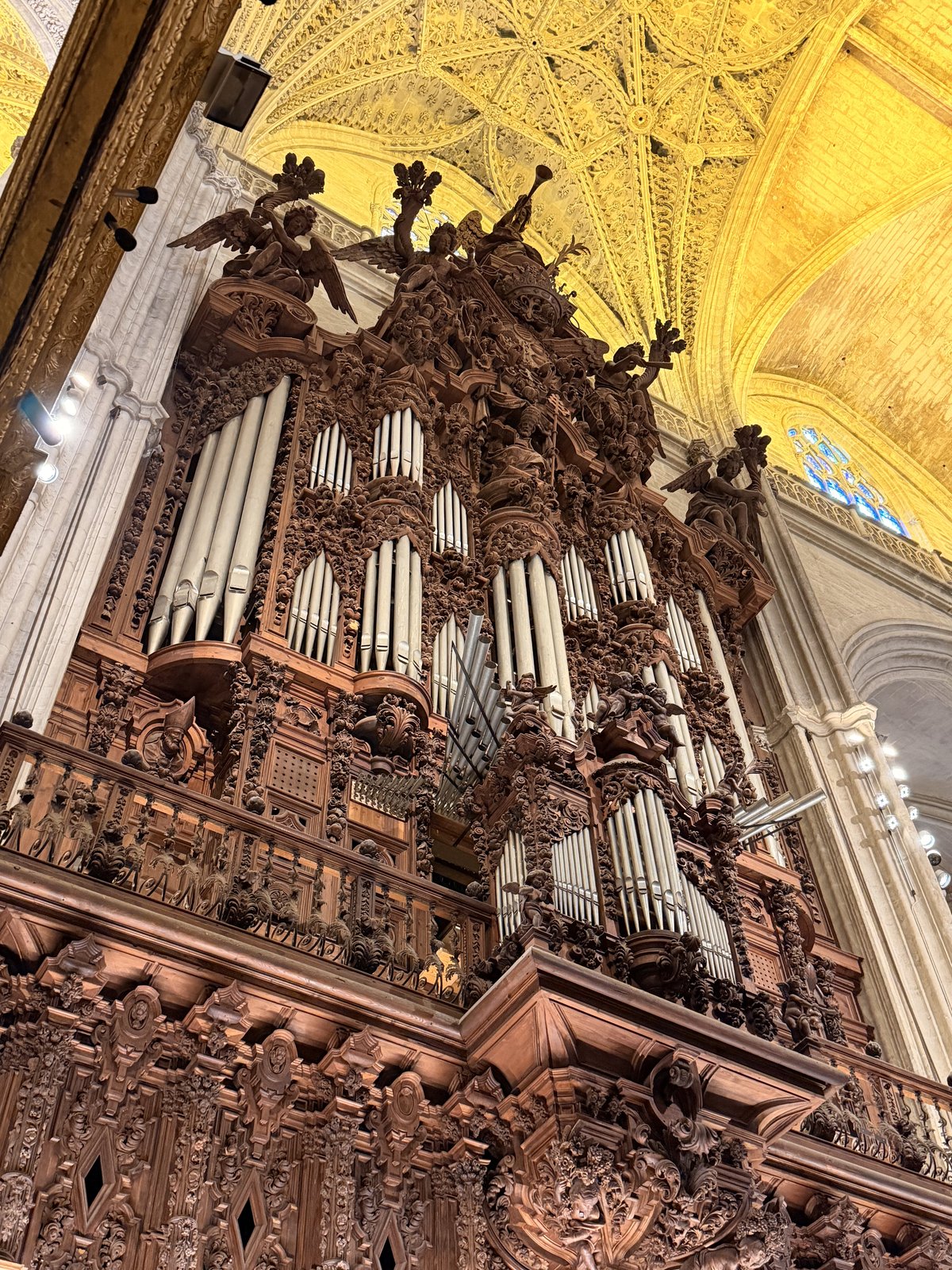
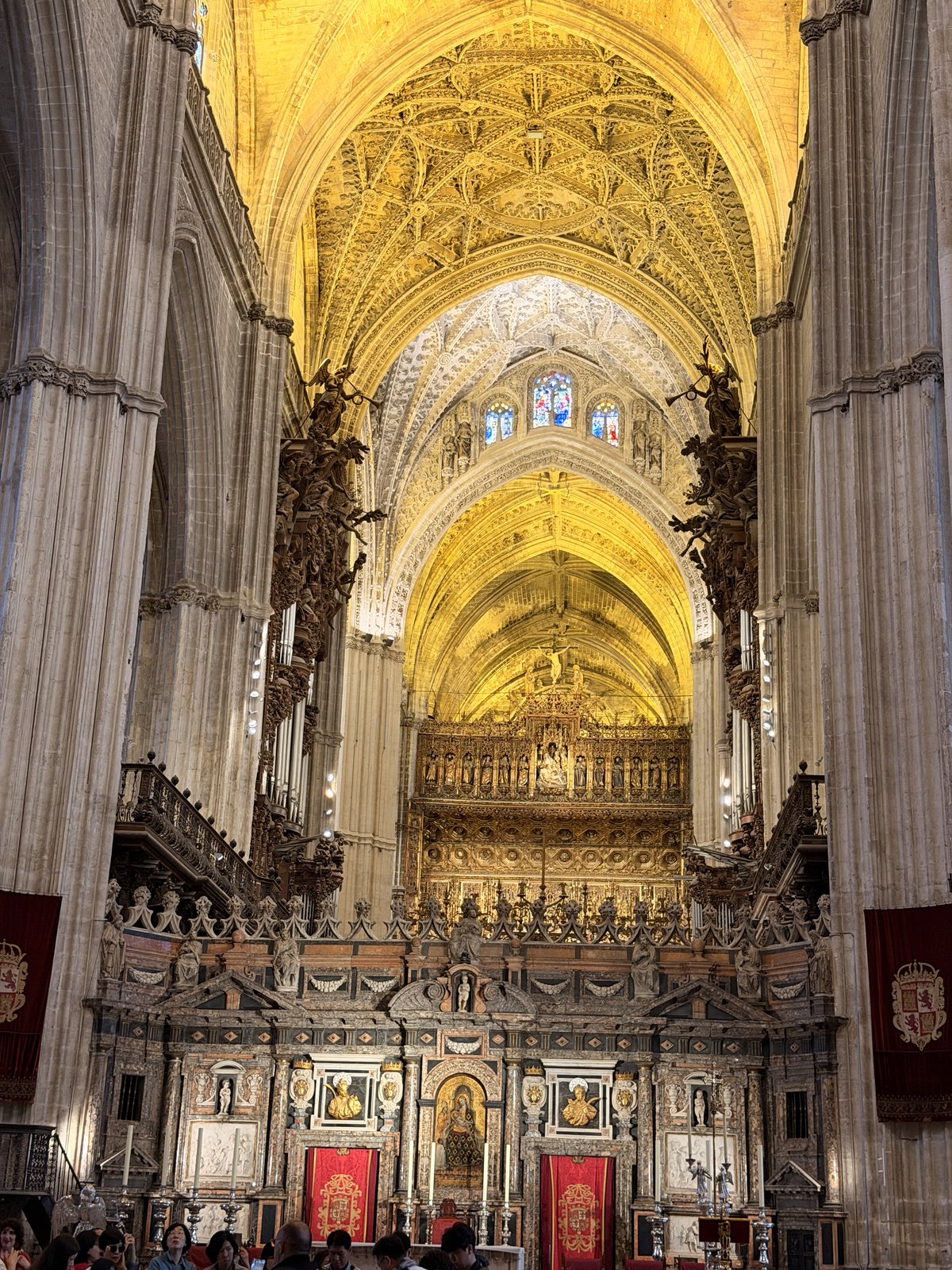
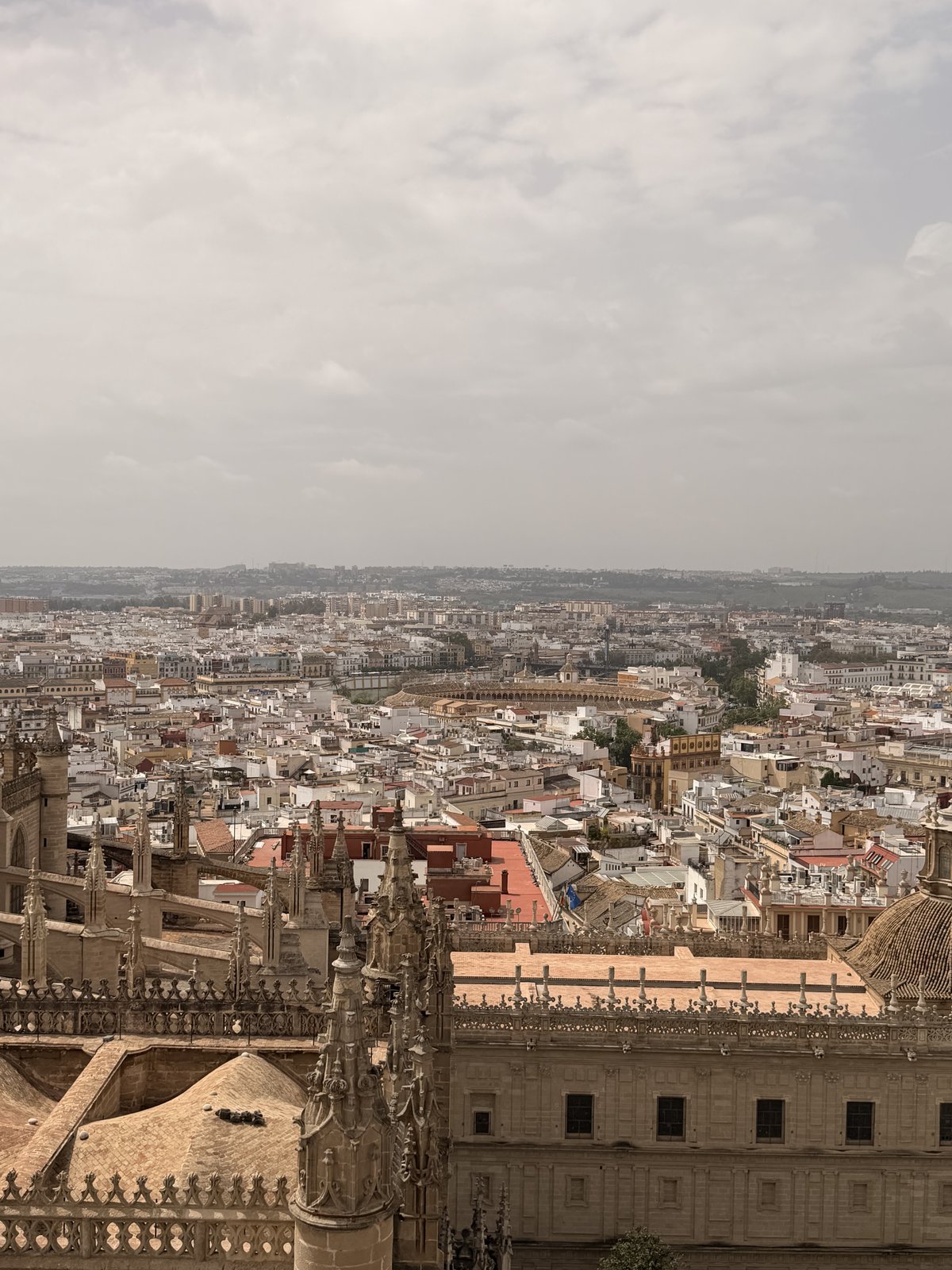
Climbing La Giralda is genuinely worth doing, but I’ll give it to you straight: it’s 35 ramps all the way up – so be prepared for a slightly claustrophobic Stairmaster (but without the stairs)! It was built that way so the muezzin could ride a donkey up to make prayers at the top 5 times a day.
The view from the top is really nice (see photo above), but it’s partially blocked by metal fencing at the viewing openings, so temper your expectations for that unobstructed panoramic shot. Budget 1.5 to 2 hours for the whole visit.
Free Sunday Cathedral tickets: Seville Cathedral does offer a free public visit on Sundays, but it is not a walk-up free-for-all. The current official schedule lists Sunday free access from 16:30 to 18:00, except holidays, with limited capacity and prior online reservation required through the official Cathedral website. These slots can disappear quickly, and the Cathedral sometimes changes hours for worship, holidays, or special events, so check the booking portal for your exact date before building your day around it.
Plaza de Toros de la Maestranza
Seville’s historic bullring, sometimes called the “Cathedral of Bullfighting,” dates back to the 18th century and seats around 13,000! You don’t need to see an actual bullfight (details below if you’re curious) to make this worth a stop — the self-guided museum tour takes you through the bullfighters’ patios, the chapel, and the ring itself. General admission runs around €10-12, with reduced rates for students and seniors. Give it 45 minutes to an hour, and it’s an easy add-on if you’re already down by the river.
Tickets for an actual bullfight: If you do want to attend a corrida rather than just tour the building, check the season calendar first. Bullfighting season traditionally starts on Easter Sunday, continues through the April Fair, and then picks up again on set dates like Corpus Christi, August 15, the San Miguel fair in late September, and October 12. For current dates and sales, use Lances Maestranza, the current bullring operator, or the box office at the plaza. Book early for April Fair and San Miguel dates — those are the big ones.
Free Attractions!
Plaza de España & María Luisa Park
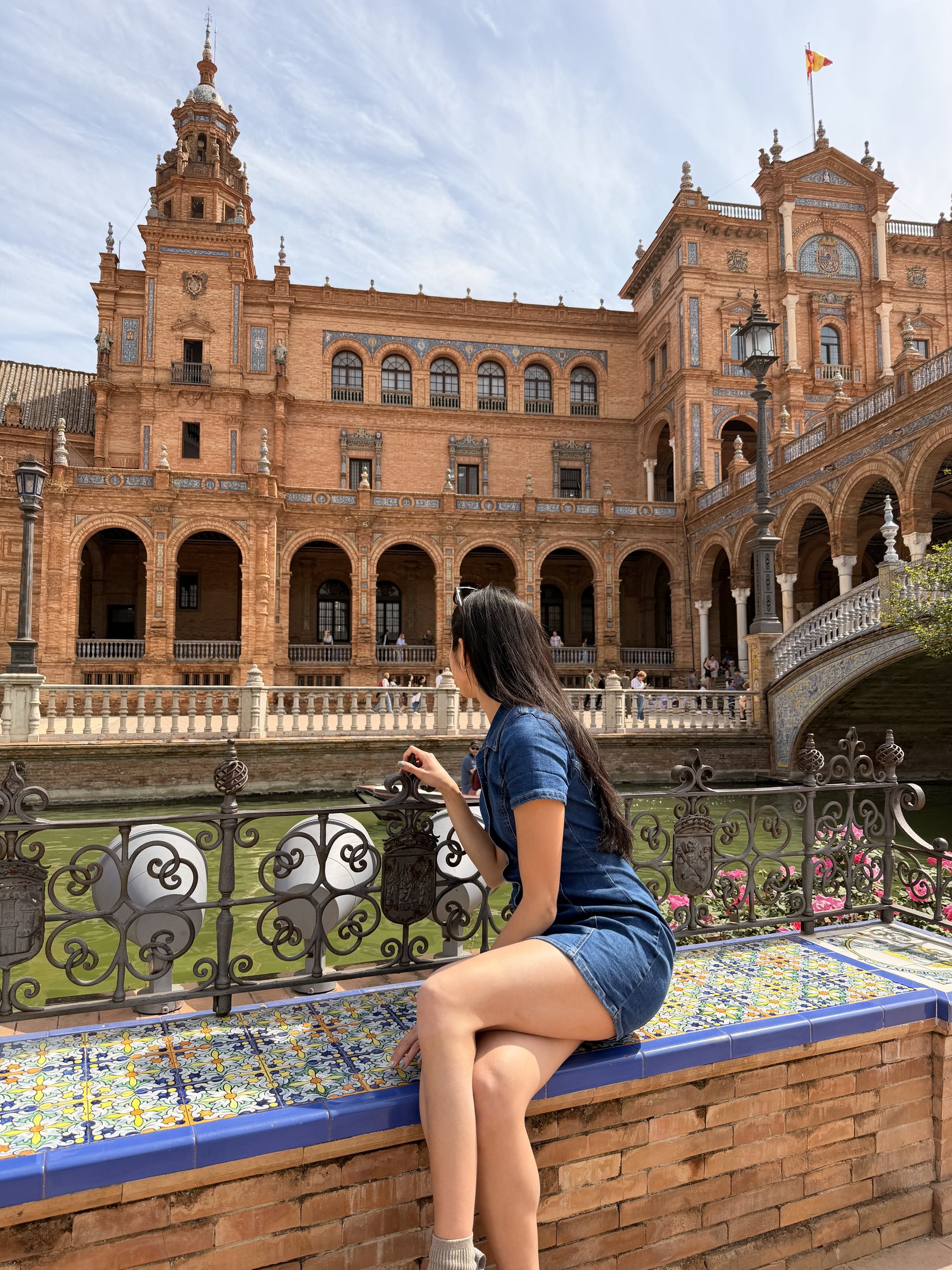
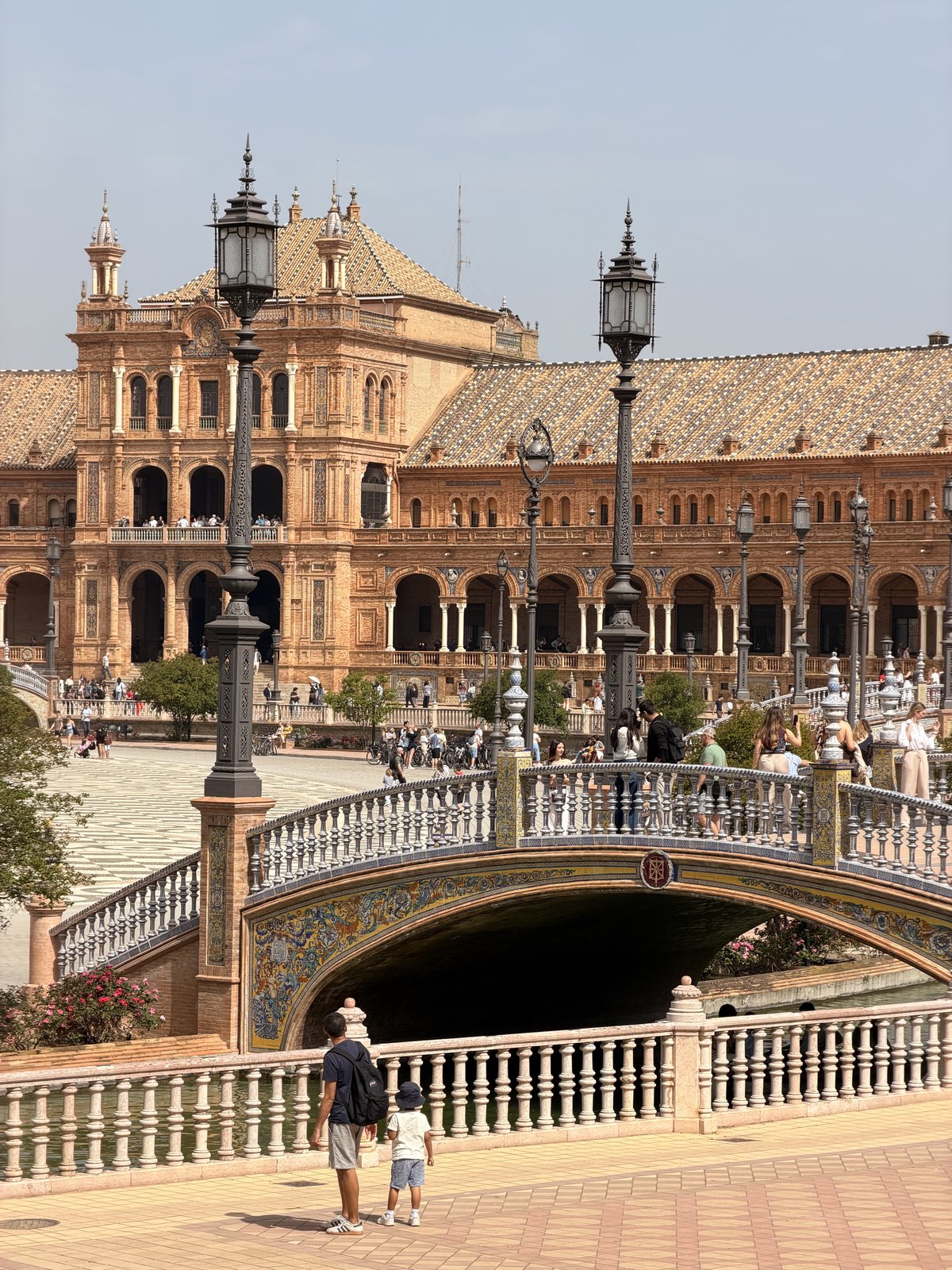
Completely free, huge, and honestly one of the most impressive plazas I have ever walked into. Check current local visitor information before your trip, but I would absolutely keep it in a first-time Seville plan.
The architecture is a gorgeous blend of Renaissance and Moorish Revival styles, built for the 1929 Ibero-American Exposition. It is a STUNNING half-moon of brick, ceramic tile, bridges, and canal views, and it also stood in for Naboo’s Theed Palace in Star Wars: Episode II.
The fun detail to look for is the tilework: the 48 benches around the curve represent Spanish provinces, with maps, coats of arms, and little painted scenes. Architect Aníbal González designed the square with regional Sevillian materials — brick, ceramics, tile, and wrought iron — and the whole semicircle was meant to feel like Spain opening its arms toward the Americas for the exposition. The four bridges over the canal also nod to the old kingdoms of Castile, León, Aragon, and Navarre.
Rowboats are an optional paid add-on, with prices and operating times posted at the canal. Go in daylight if you want to see all the color and tile detail, then come back around golden hour or after dark if you can — the plaza turns softer, calmer, and more romantic once the lights and canal reflections kick in. You can also sometimes catch free flamenco performances here, which makes the visit feel even more Seville. My Plaza de España guide has the full photo and timing plan.
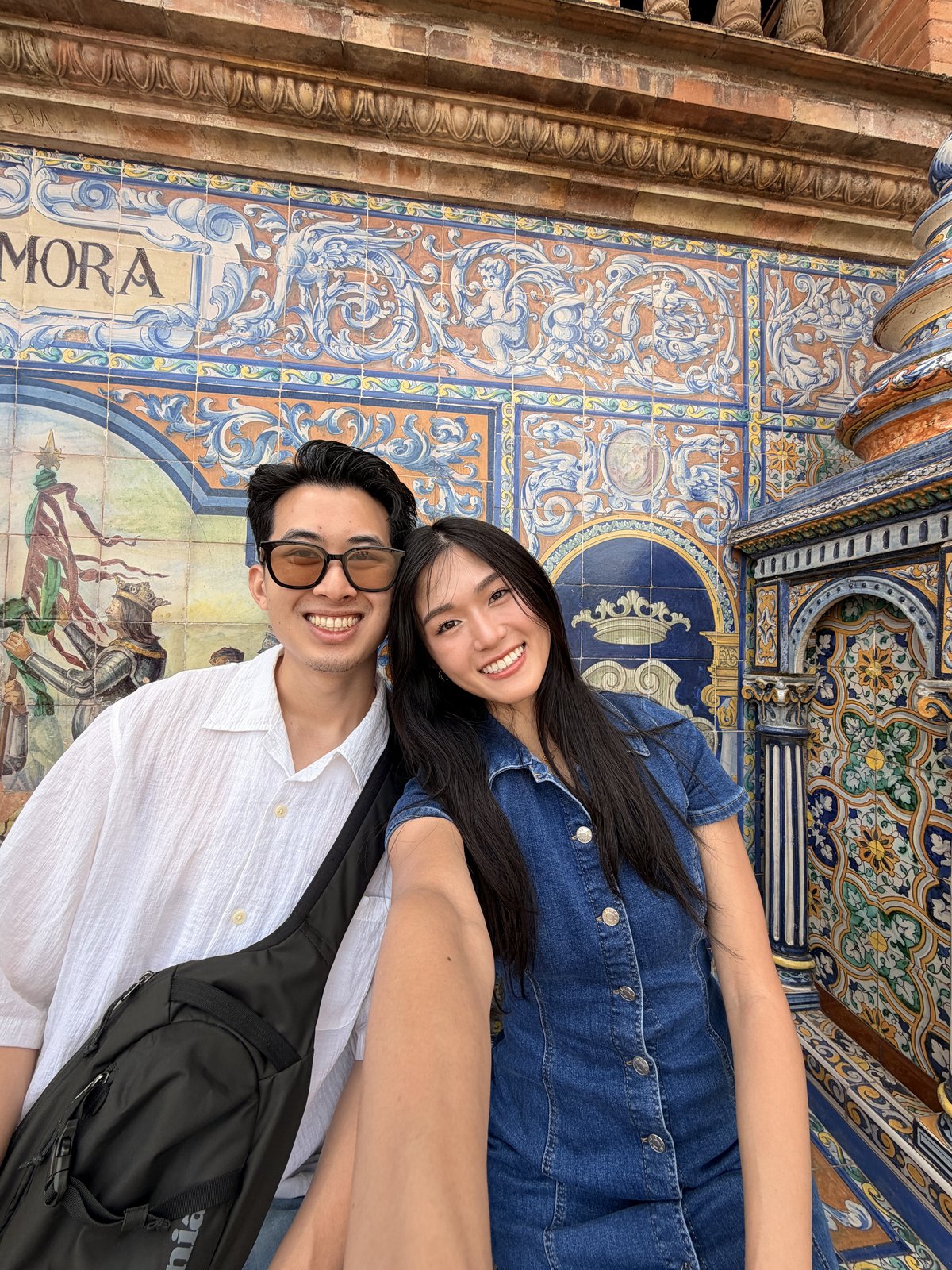
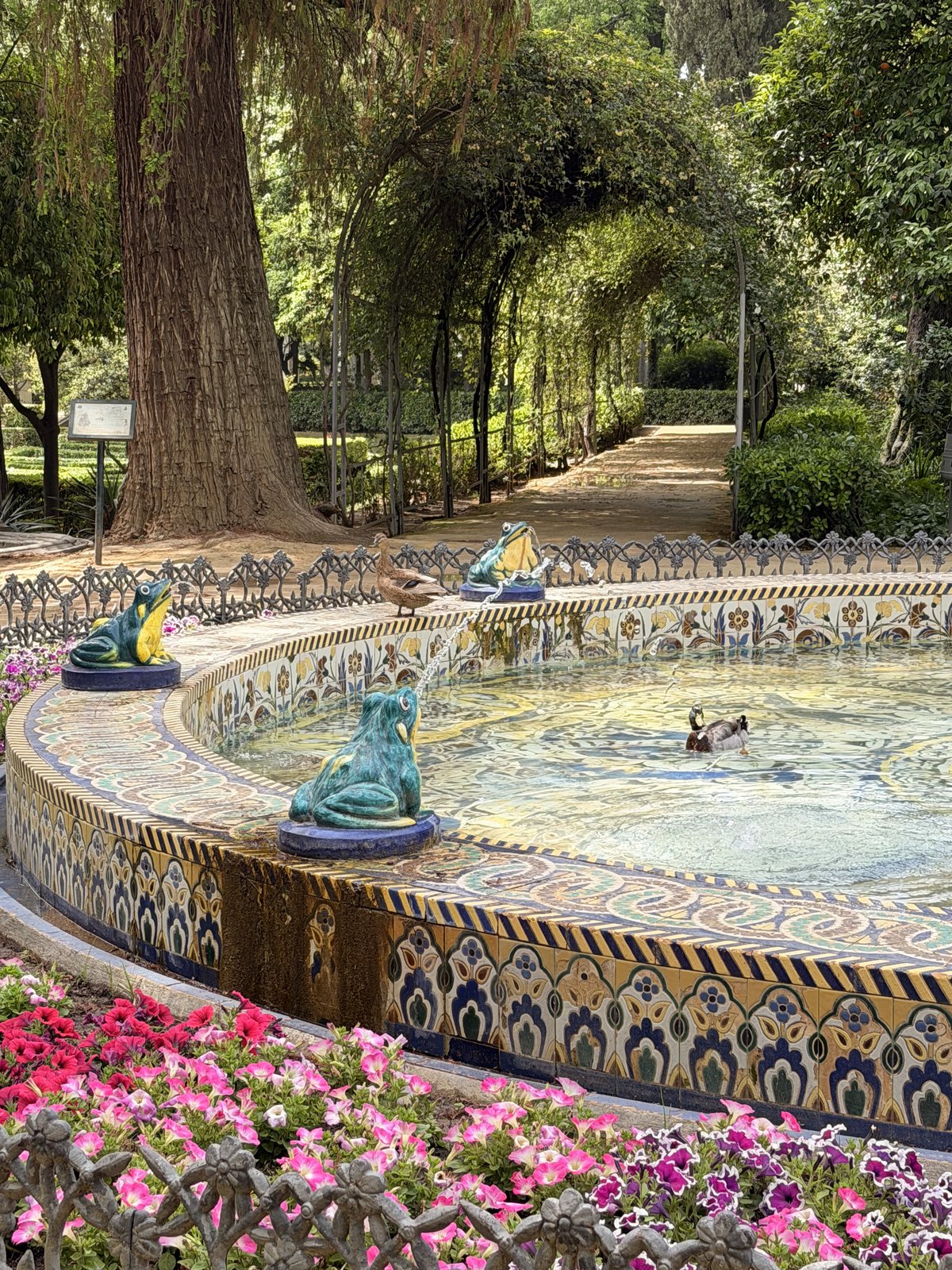
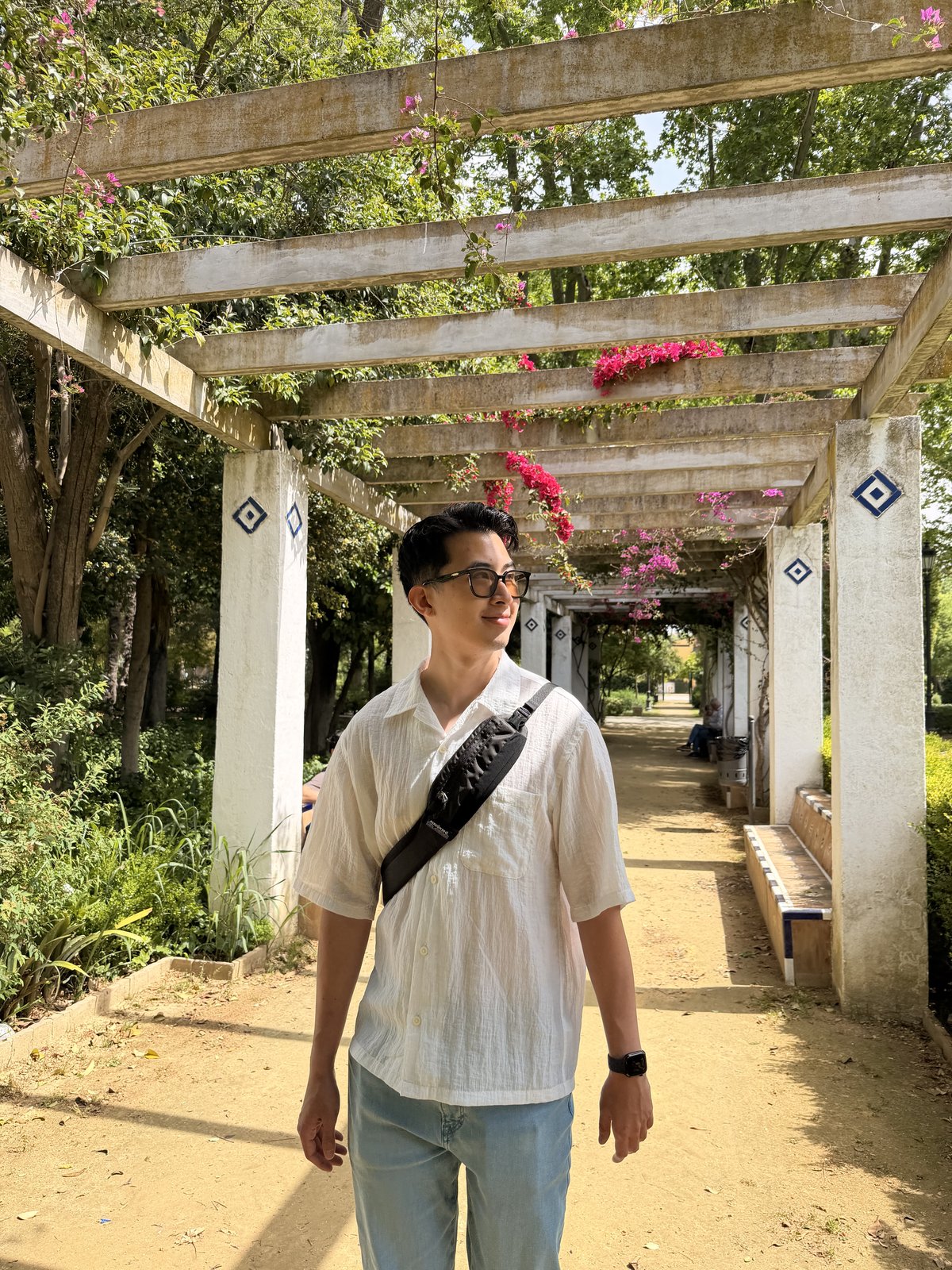
Right next to Plaza de España, María Luisa Park is the easiest place in Seville to slow the day down. It is free, shaded, and full of gorgeous tiled fountains, palm-lined paths, little ponds, and garden corners. You can easily spend hours here taking a nice stroll, having a picnic, and getting a nice break in between your sightseeing!
Las Setas (Metropol Parasol)
The world’s largest wooden structure, Las Setas is free to walk around underneath and open 24/7. It is best experienced in the evening, when the honeycomb canopy lights up over the plaza below and the whole thing feels less like a daytime photo stop and more like part of the city nightlife.
Going to the top is paid: the rooftop walkway loops above the structure with broad views over Seville. Budget 30-45 minutes up top, especially if you go around sunset or after dark, and check the official Las Setas site for current prices and closing times.
There is also more here than just the walkway. The small Antiquarium archaeology museum in the basement has Roman and Moorish ruins for a couple euros extra, and Las Setas also hosts flamenco shows, immersive/guided experiences, and rooftop dining with cathedral views. I’ve added unique experiences below to turn this into a whole evening instead of just a quick photo op!
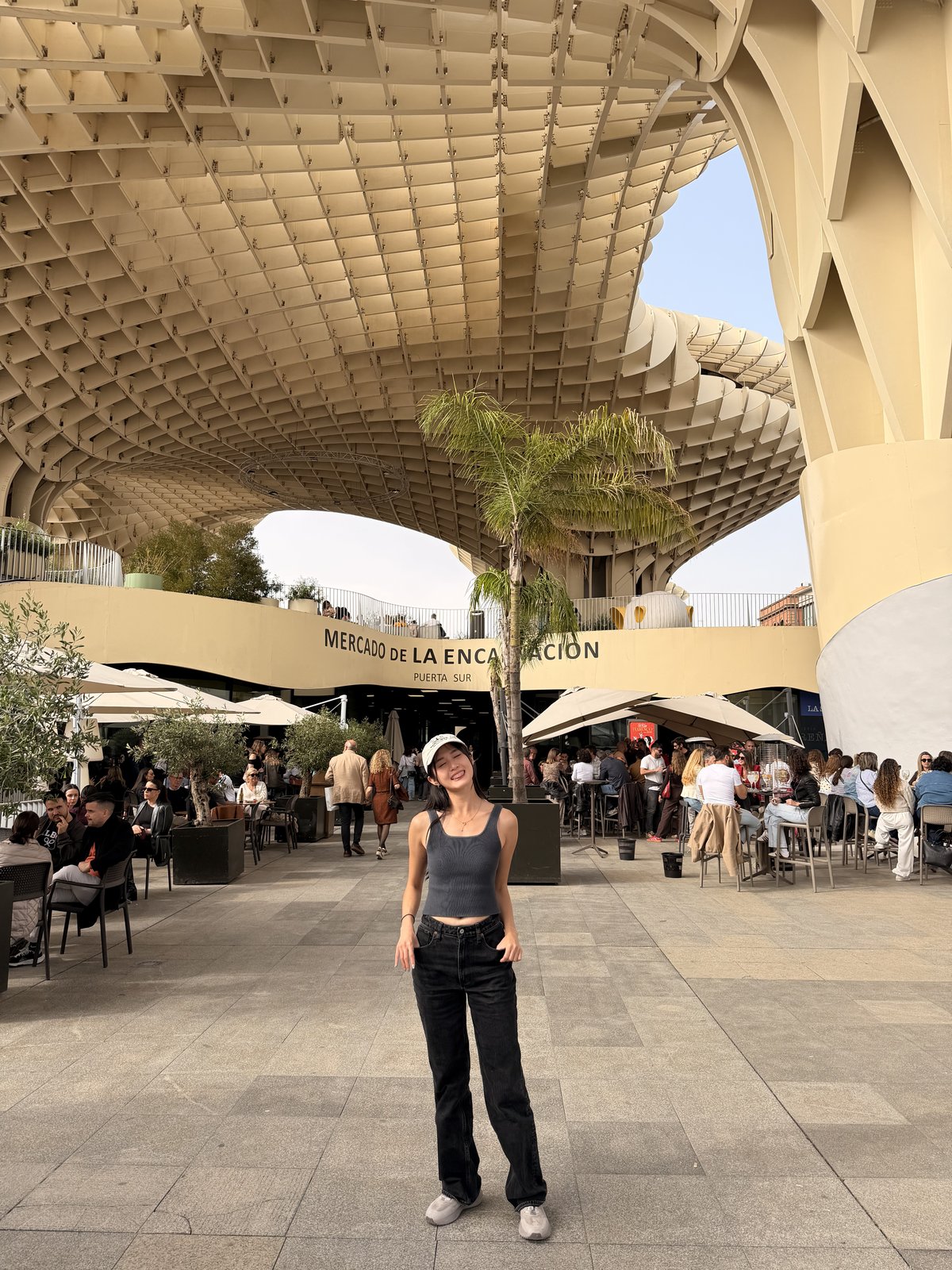
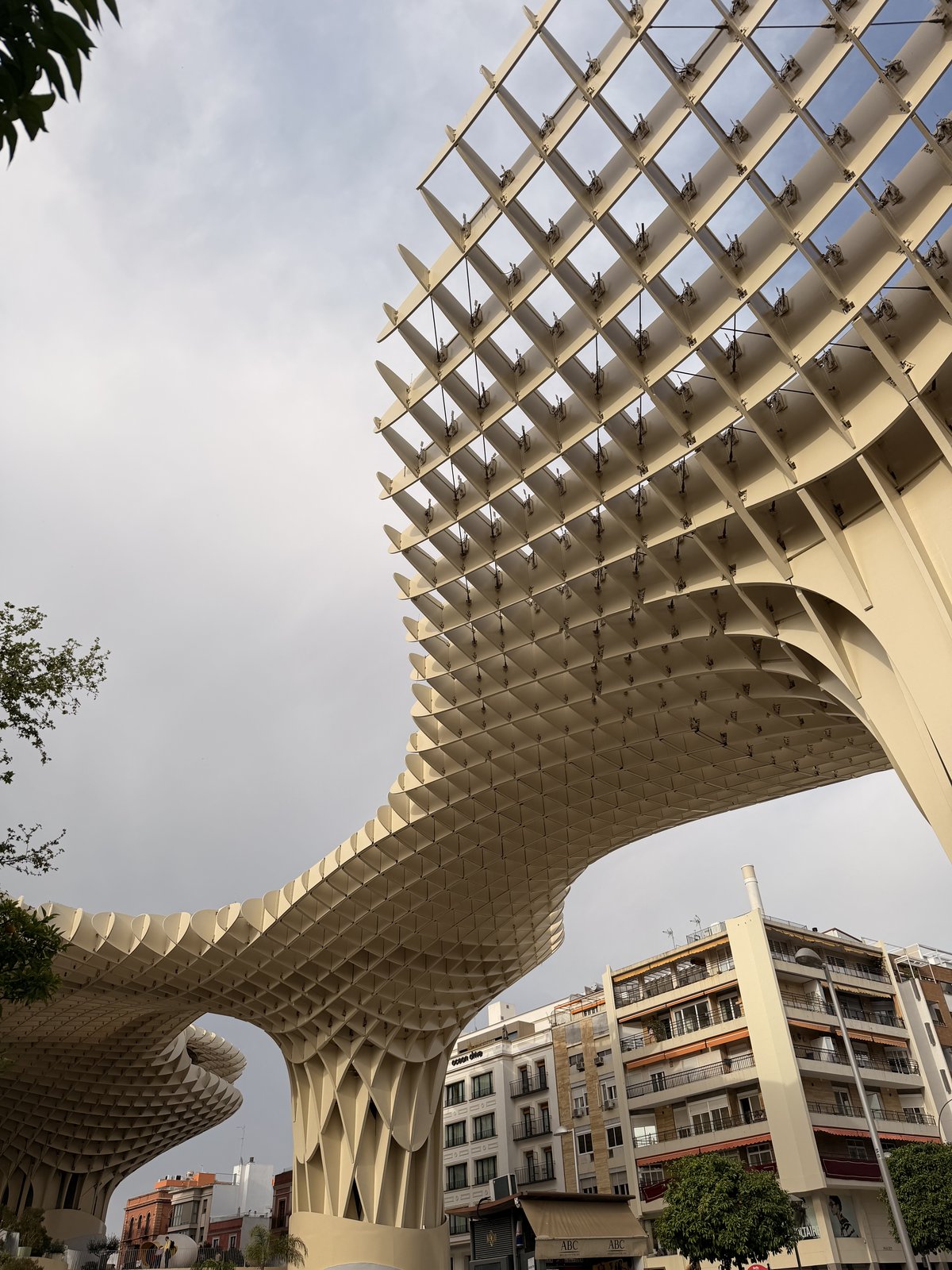


Photo: Hernán Piñera via Wikimedia Commons, CC BY-SA 2.0. Photo: Alberto-g-rovi via Wikimedia Commons, CC BY 4.0.
Barrio Santa Cruz
The old Jewish quarter, and one of the best “things to do” that isn’t really a thing at all — it’s just wandering. Whitewashed walls, orange trees, narrow lanes that don’t follow a grid, and plenty of dead ends. It’s free, works any time of day, and connects directly to the Alcázar and Cathedral, so it’s easy to fold into an hour of downtime between bigger sights rather than a separate trip.
I like Santa Cruz most as a soft landing between timed-ticket sights. Give yourself 45 minutes to an hour after the Alcázar or before dinner, put the map away when you can, and let the little plazas, tiled patios, souvenir shops, and shaded lanes do their thing. Morning is quieter; evening feels more alive.
Activities to Do
Flamenco Shows
Flamenco grew out of Andalusia, and Seville is one of the places I would prioritize seeing it in a focused room where the singing, guitar, and footwork are the whole point. Casa de la Memoria and Teatro Flamenco Sevilla offer different versions of that night, so compare the current showtimes, room style, and ticket inclusions before choosing. Book ahead when you have a specific evening in mind; the intimate rooms have limited seats.
Guadalquivir river cruise
The Guadalquivir is one of the easiest ways to see Seville from a totally different angle. From the water, the city opens up: you pass the Torre del Oro, the Maestranza bullring, Triana, riverfront pavilions, and several of Seville’s bridges without fighting the old-town crowds. It is especially nice late in the day, when the light softens and you want a break from walking.
There are a few ways to do it depending on your energy level. A classic 1-hour sightseeing cruise is the easiest option, especially if you want to sit down with a drink and get the lay of the city. A lunch or dinner cruise makes it feel more like a slow evening plan. And if you want something more active, a guided kayaking tour lets you paddle through the center instead of just watching it drift by.
I would choose the simple cruise if your feet are tired, kayaking if you want the river to feel like the activity, and the dinner cruise only if you want a slower date-night version instead of another tapas crawl.
Food & Drink Experiences
A proper tapas crawl
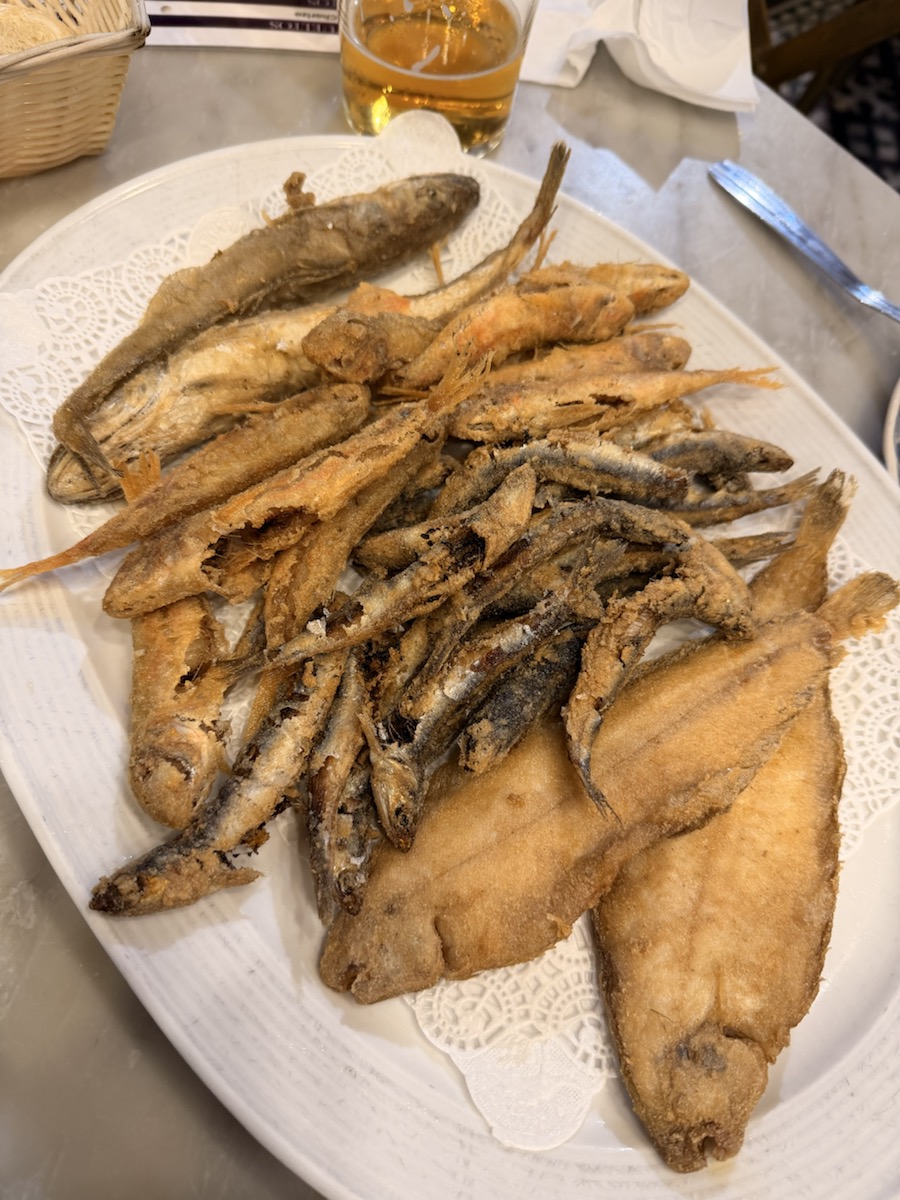
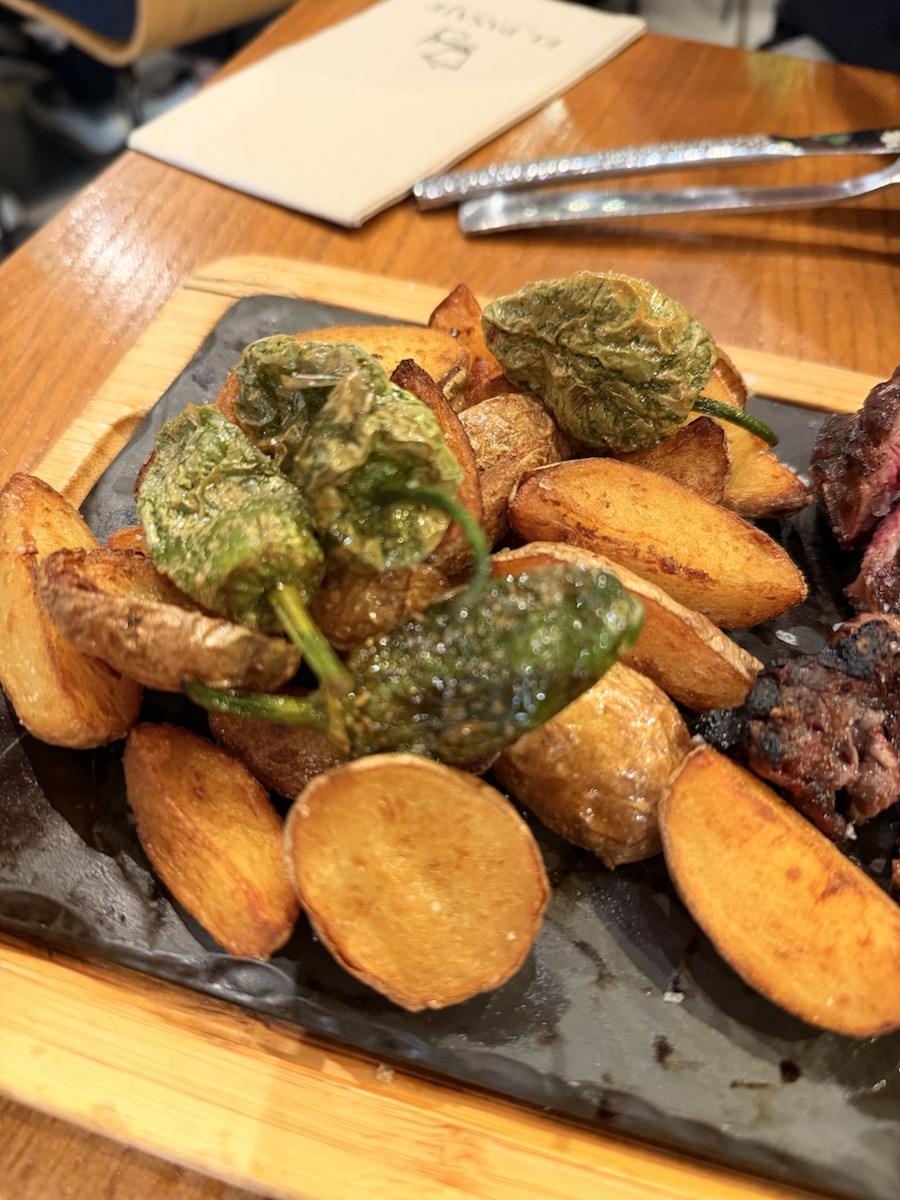
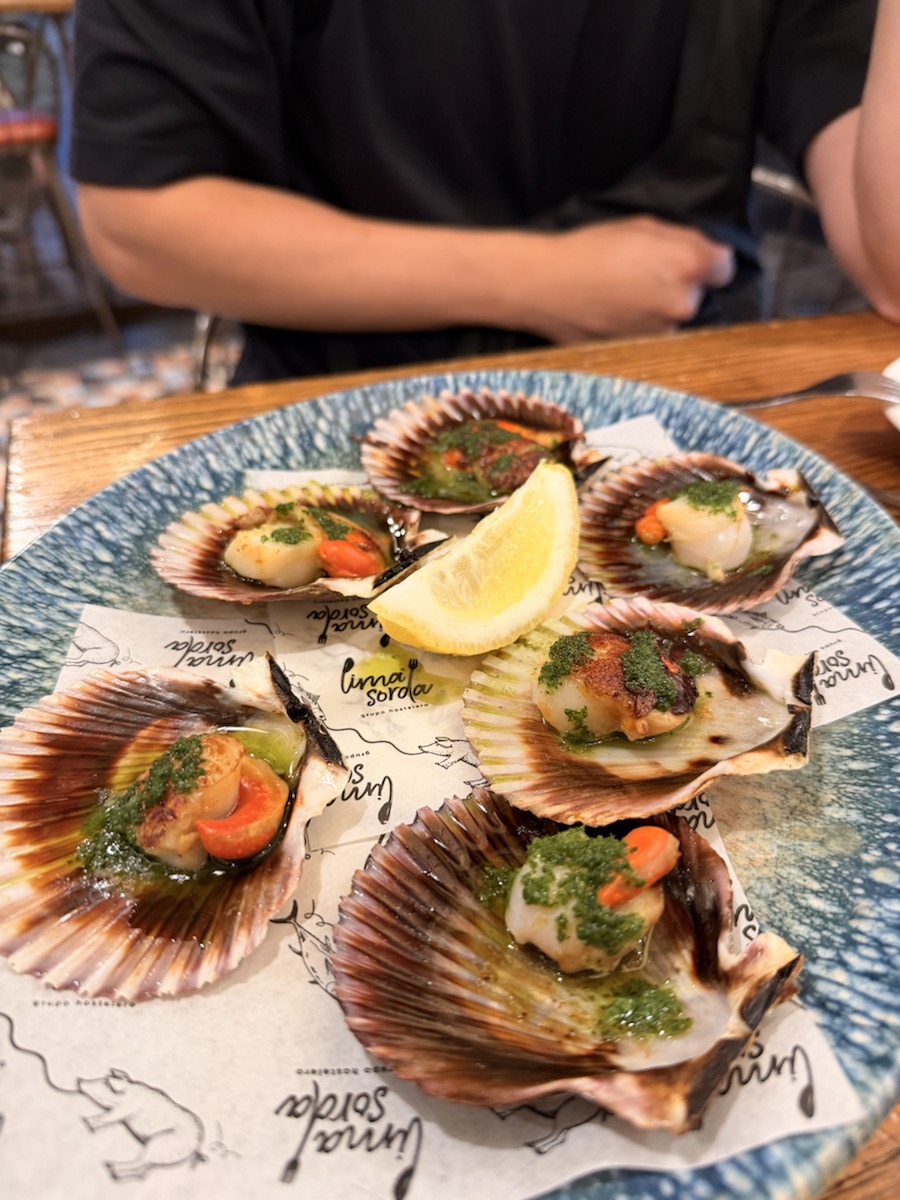
Bar-hop through Barrio Santa Cruz or Triana and order pringá, hand-carved ibérico ham, and pescaíto frito (Seville’s famously light fried fish, dusted in chickpea flour so it never turns greasy). Locals hit four or five bars for a plate or two each rather than sitting down at one all night — that way one underwhelming dish barely costs you anything, and most tapas run €3-6 a plate. Plan for a 2-3 hour crawl starting around 8-9pm, which is when locals actually eat dinner.
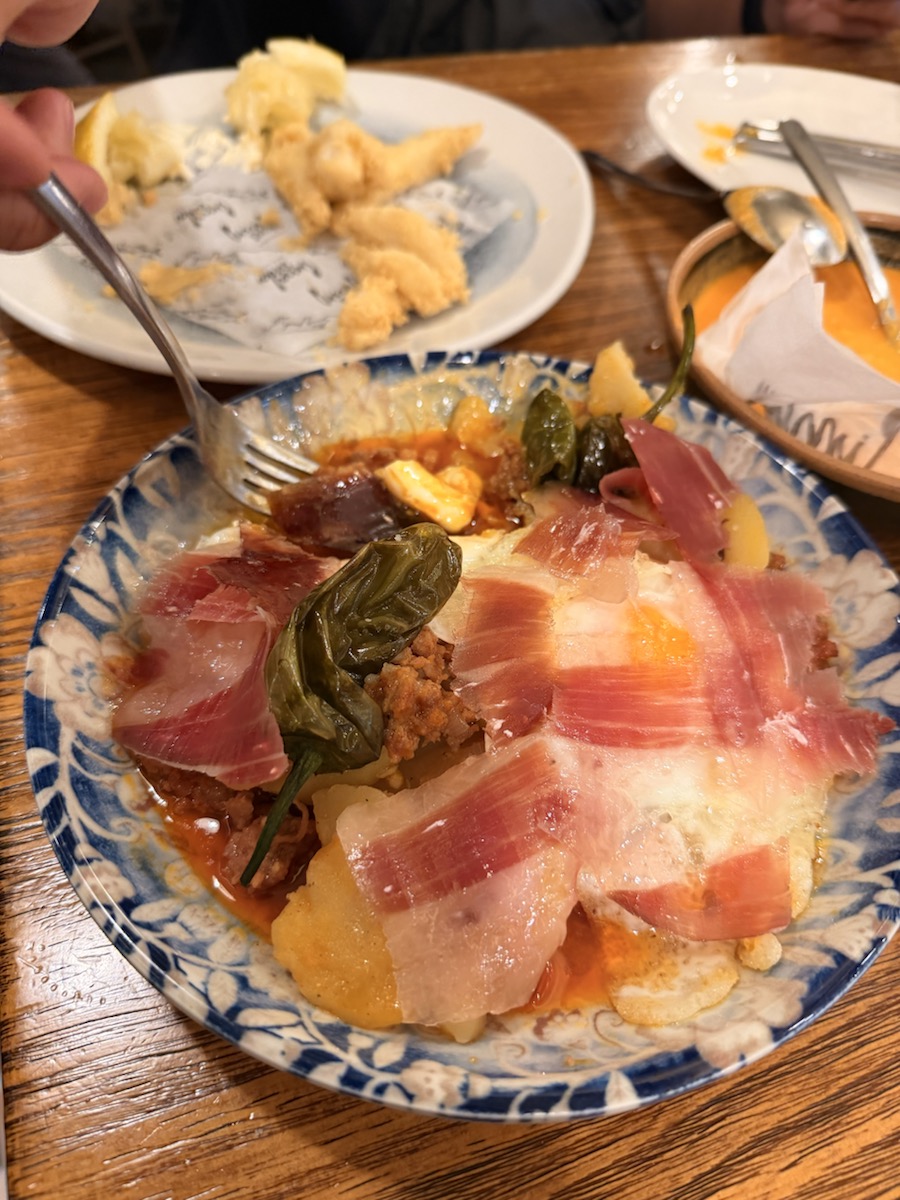
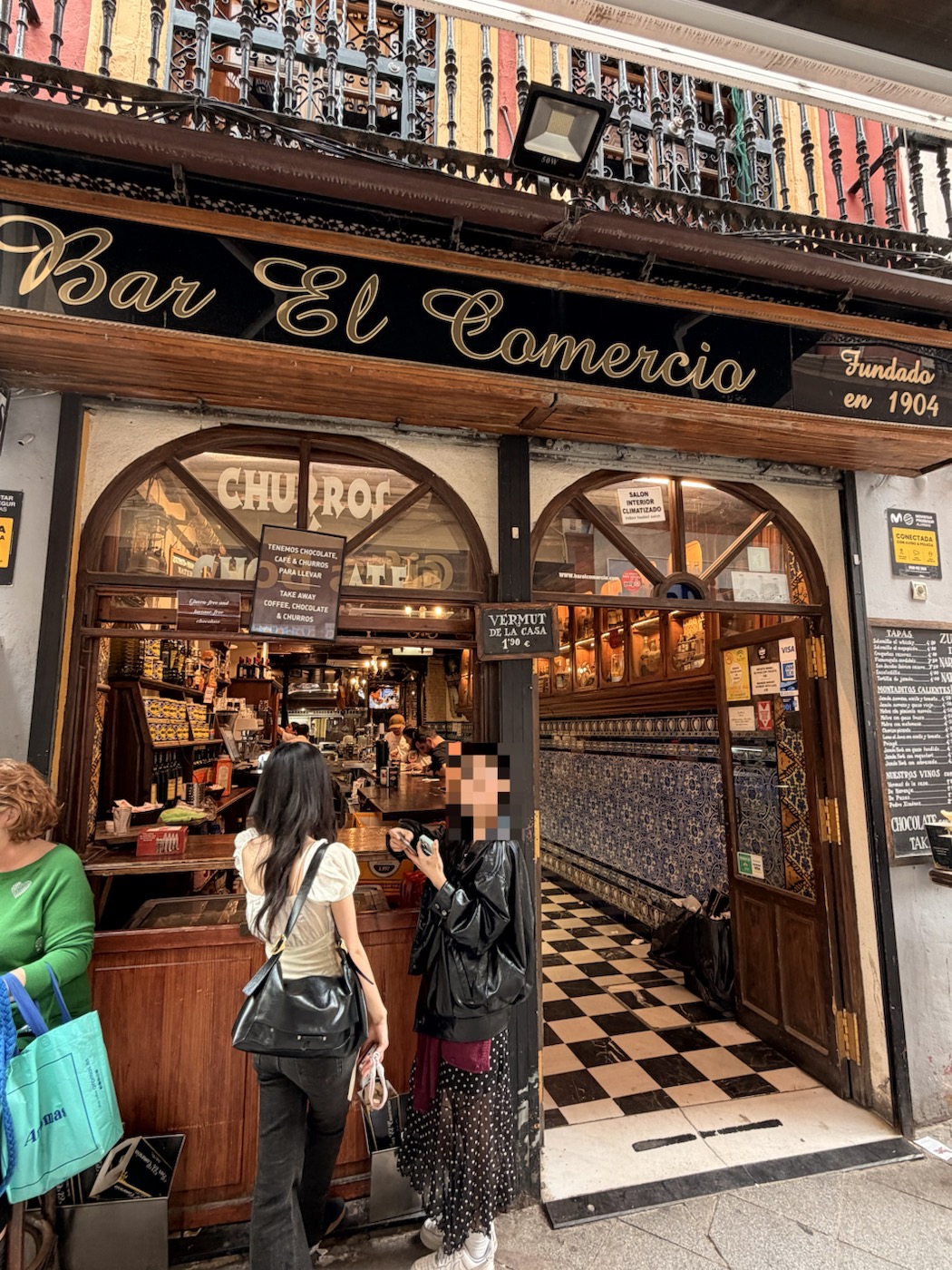
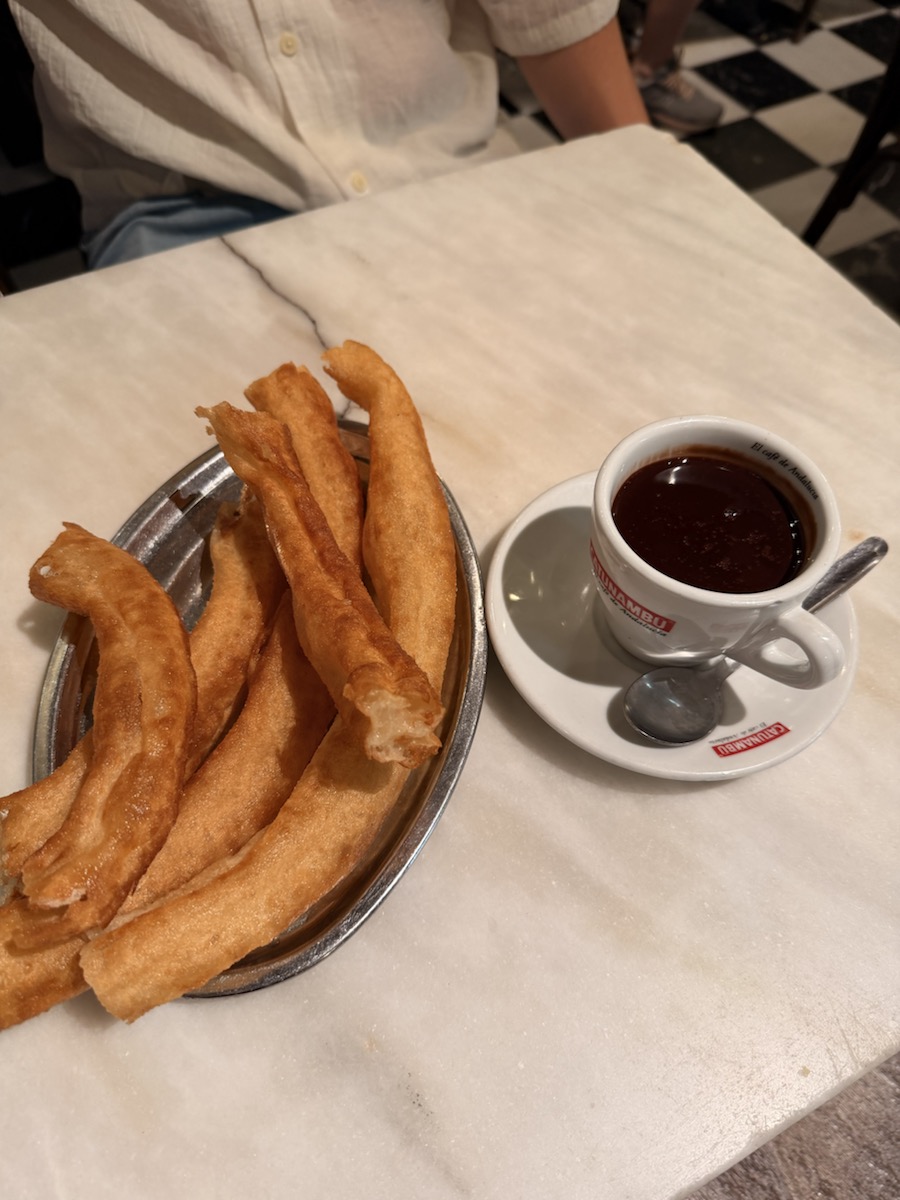
Churros at Bar El Comercio
Open since 1904 and still run by the same family, frying churros the same way. Go for breakfast (it opens early and gets a line by mid-morning), dunk them in chocolate thick enough to eat with a spoon, and budget 20-30 minutes to sit and linger rather than grab-and-go.
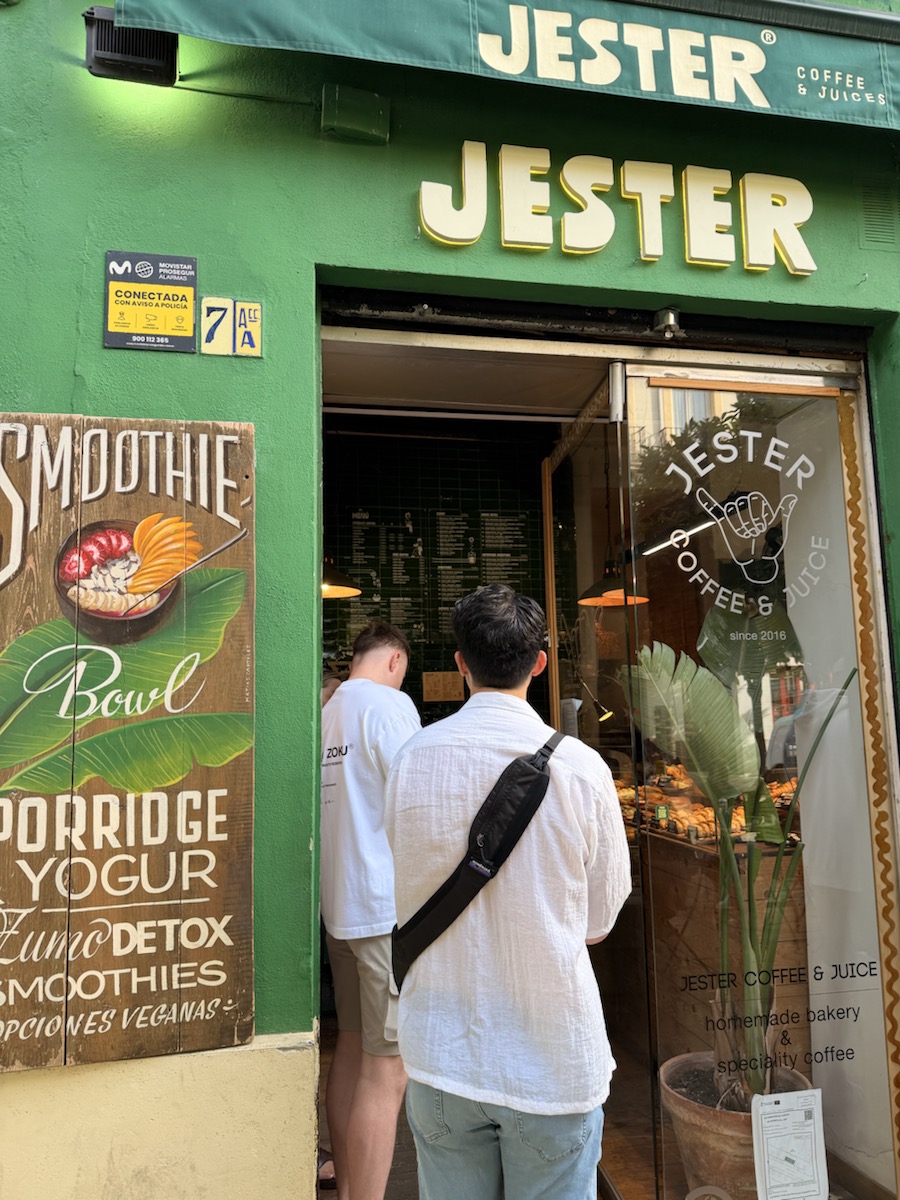
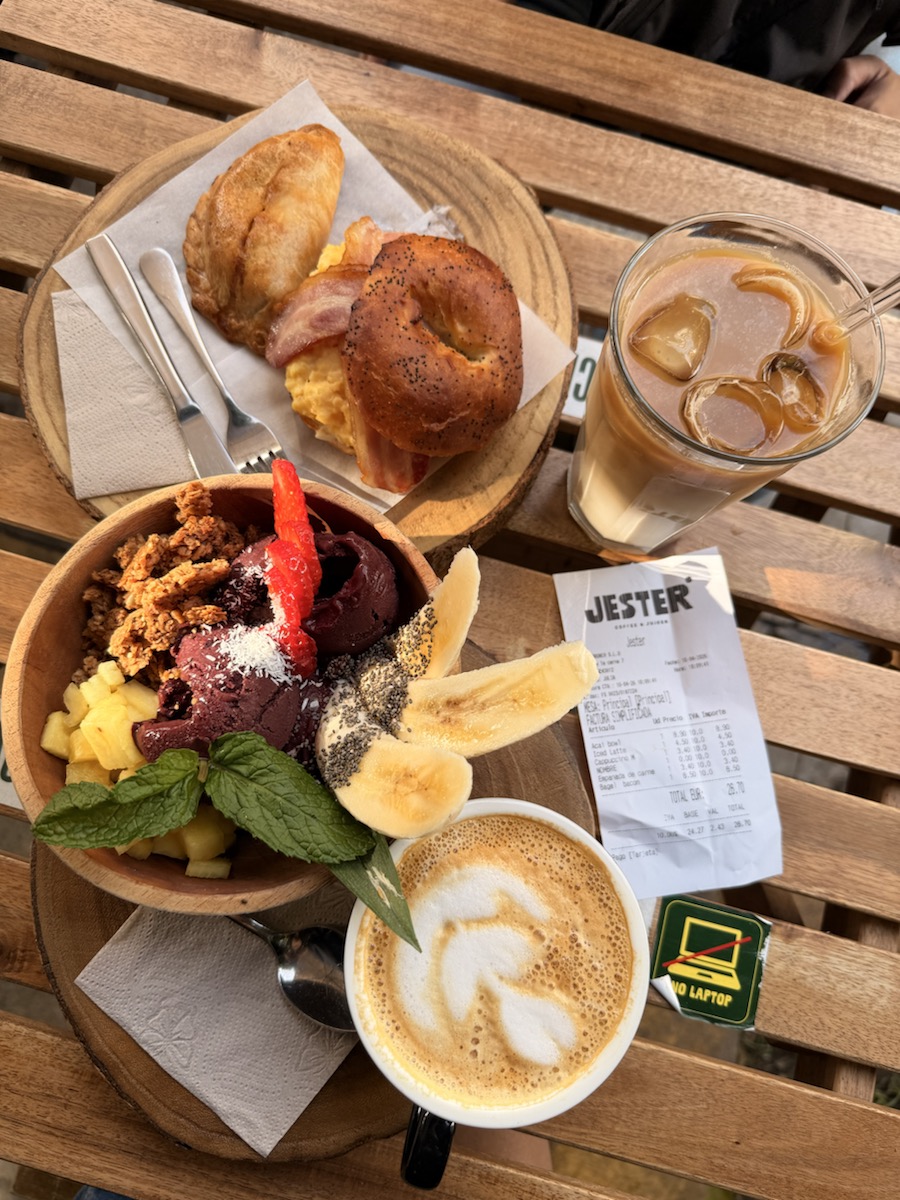
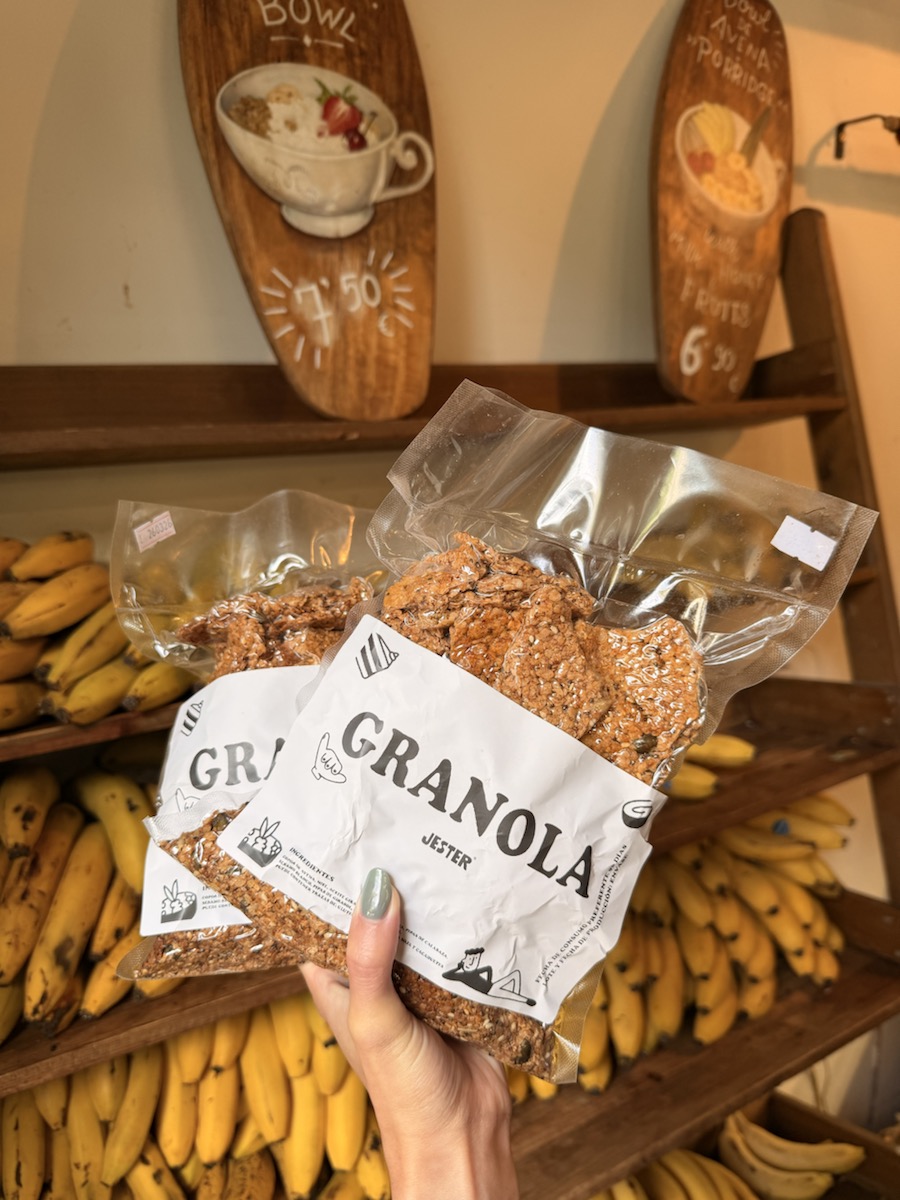
Açaí bowls and fresh juice at Jester
A good reset if you need a break from fried food between Alcázar-and-Cathedral walking; the produce is genuinely great.
Want the fuller food rundown? I go deeper on this in my Seville food guide, including where to eat gluten-free and what to order at a tapas bar so you don’t just default to patatas bravas.
If you’d rather see Alcázar-and-Cathedral-heavy Seville on a set schedule, my 3-day Seville itinerary lays out exactly how to fit the big sights in around a slower pace. My Royal Alcázar guide handles the palace details, my Seville travel tips covers the heat and booking order, and my guide to free and cheap things to do in Seville covers the budget version.
That’s the full list — historic sites, free spots, food worth building a day around, and activities worth booking ahead. Make sure to book the timed-entry sights (Alcázar, Cathedral, flamenco) before you land , and leave a little unscheduled time to wander Santa Cruz 💃. The best way to travel is not to rush - just take your time and see what’s over that hill!
Keep exploring
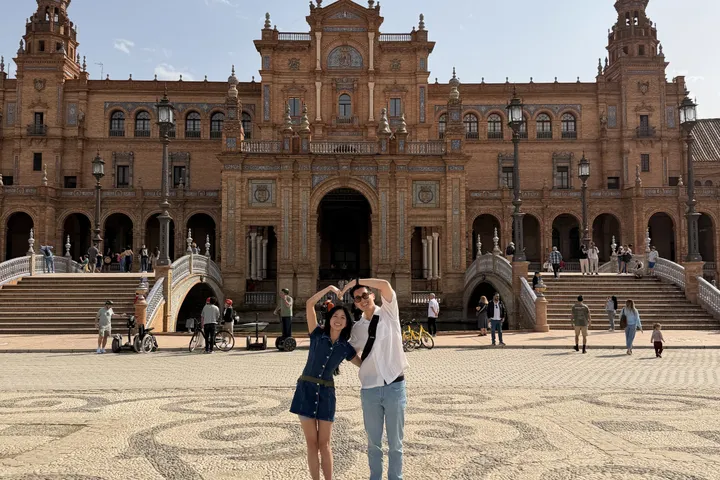
3 Days in Seville Itinerary for a First Trip
A realistic 3 days in Seville itinerary with the Alcázar, Cathedral, Plaza de España, Las Setas, tapas, flamenco, river views, and booking tips.
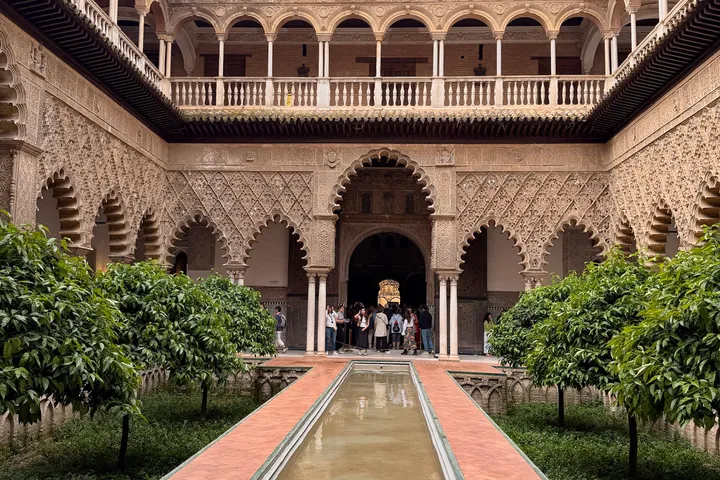
Royal Alcázar of Seville Guide: Tickets & Gardens
My Royal Alcázar of Seville guide with ticket tips, what to see inside, how long to spend, and why this palace is worth booking ahead.
.jpg)
.jpg)