10 Essential Venice Travel Tips for First-Time Visitors
Venice tips for a first trip: where to stay, what to book ahead, when the vaporetto is worth it, where to eat cicchetti, and gondola vs cruise.
· Updated
Venice is one of the most magical places I’ve ever been, and it’s also one of the easiest cities to plan badly. The canals, the tiny bridges, the alleyways that dead-end straight into water — all the things that make it beautiful are the same things that make it harder to move around than anywhere else in Italy.
These are the 10 Venice travel tips I’d give a friend before a first trip, especially if you’ve only got a day or two.
For the actual route, pair these with my 2 days in Venice itinerary and my best things to do in Venice.
Stay near the station if you have luggage
Venice is not luggage-friendly. It’s gorgeous, but it’s also bridges, stairs, uneven stone and narrow lanes full of people, all of which you’ll be dragging a suitcase over. 🥵 If you’re arriving by train, airport bus or car transfer, staying near Venezia Santa Lucia Station or Piazzale Roma makes your first and last hour of the trip so much easier.
Santa Lucia is the one to aim for if you’re coming in by train. Piazzale Roma is where the airport buses, car transfers and anything arriving from the mainland by road drop you.
Here’s how I’d think about the neighborhoods for a first trip:
- Santa Lucia / Piazzale Roma: best for luggage, early trains, airport buses, and short stays.
- San Polo / Rialto: central and scenic, with easy access to food, the Rialto Bridge and the Grand Canal.
- San Marco: closest to the biggest landmarks, and usually the busiest and priciest.
- Cannaregio: more local-feeling while still practical, if you don’t mind walking.
- Dorsoduro: artsy and calmer, lovely on a slower trip, less convenient for a very short one.
On a short trip, pick convenience over atmosphere. Get the bags dropped fast and spend your energy on the canals instead of your suitcase.
What to expect in Venice
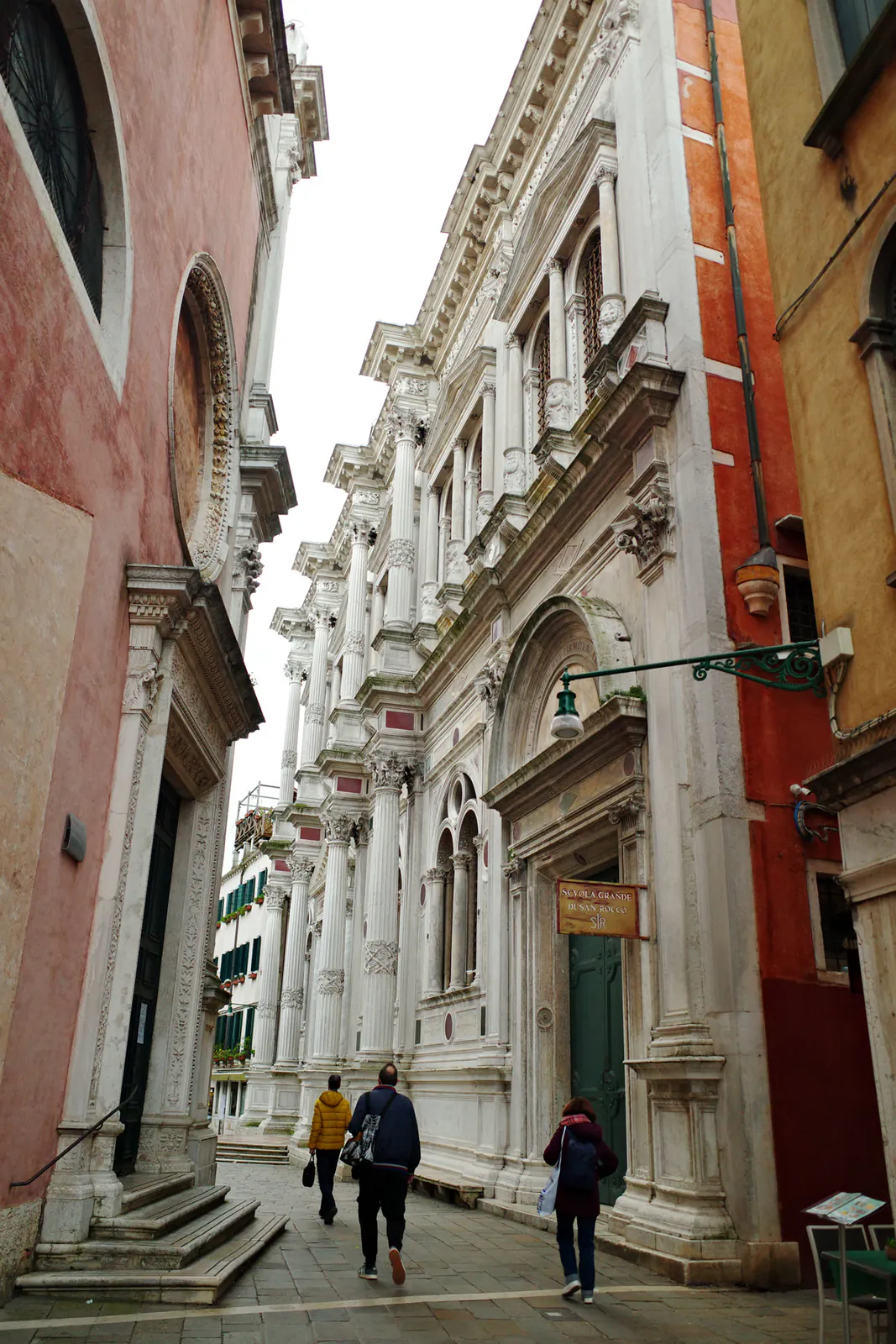
Venice is incredibly tourist-centric. It’s a tiny city carrying an enormous number of visitors, and around Piazza San Marco, the Rialto Bridge, pretty much everyone in your sightline is a tourist too.
And it is still SO worth it, because there’s nowhere else like it on earth. The whole city runs on water — the deliveries, the ambulances, even the garbage. They don’t have garbage trucks, they have garbage boats! 🚤 Watching that happen while you cross a bridge is half the reason to come.
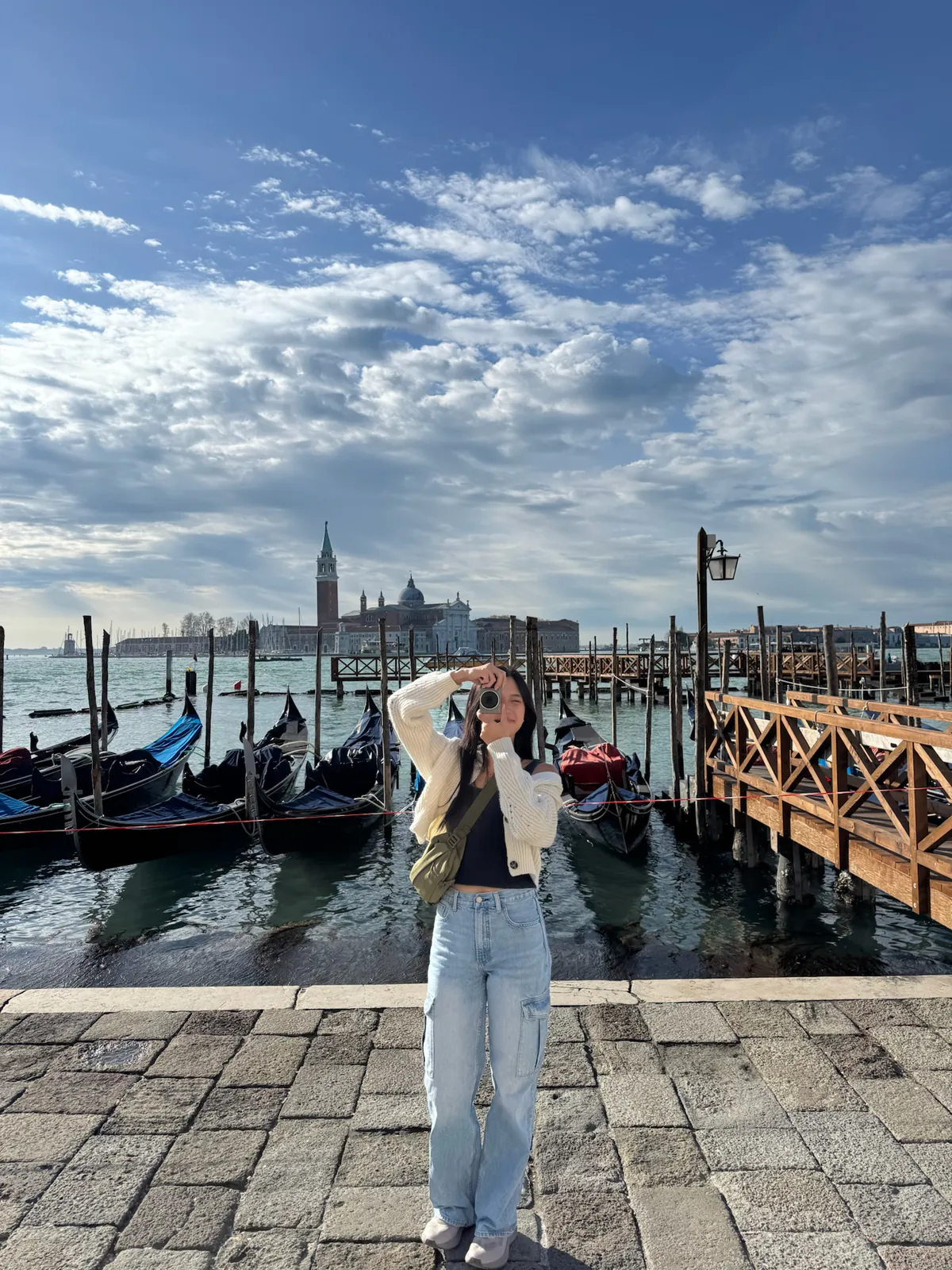
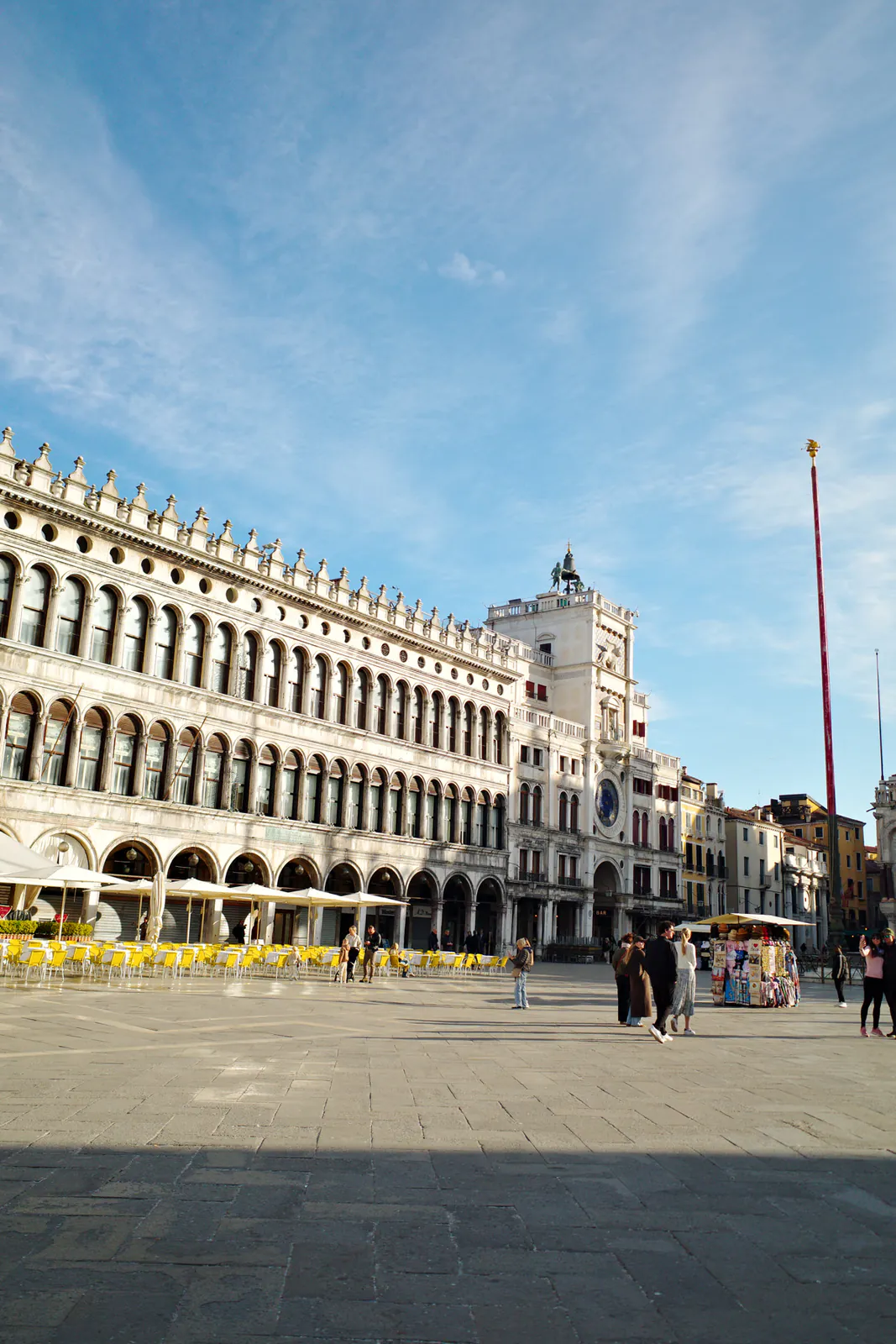
If you want to enjoy a calmer Venice, you just have to explore early or late. When we went in the morning, Piazza San Marco was so quiet and calm and magical, and watching the sun come up and light the square felt like a completely different place from the afternoon when it’s full of tourists. 🌅
Book the San Marco sights before you land
Don’t arrive assuming you can walk into anything on a whim. If St. Mark’s Basilica, Doge’s Palace, the Campanile, a gondola or a specific restaurant is a must for you, reserve it before your trip. Book your non-negotiables first, then leave the rest of the days open.
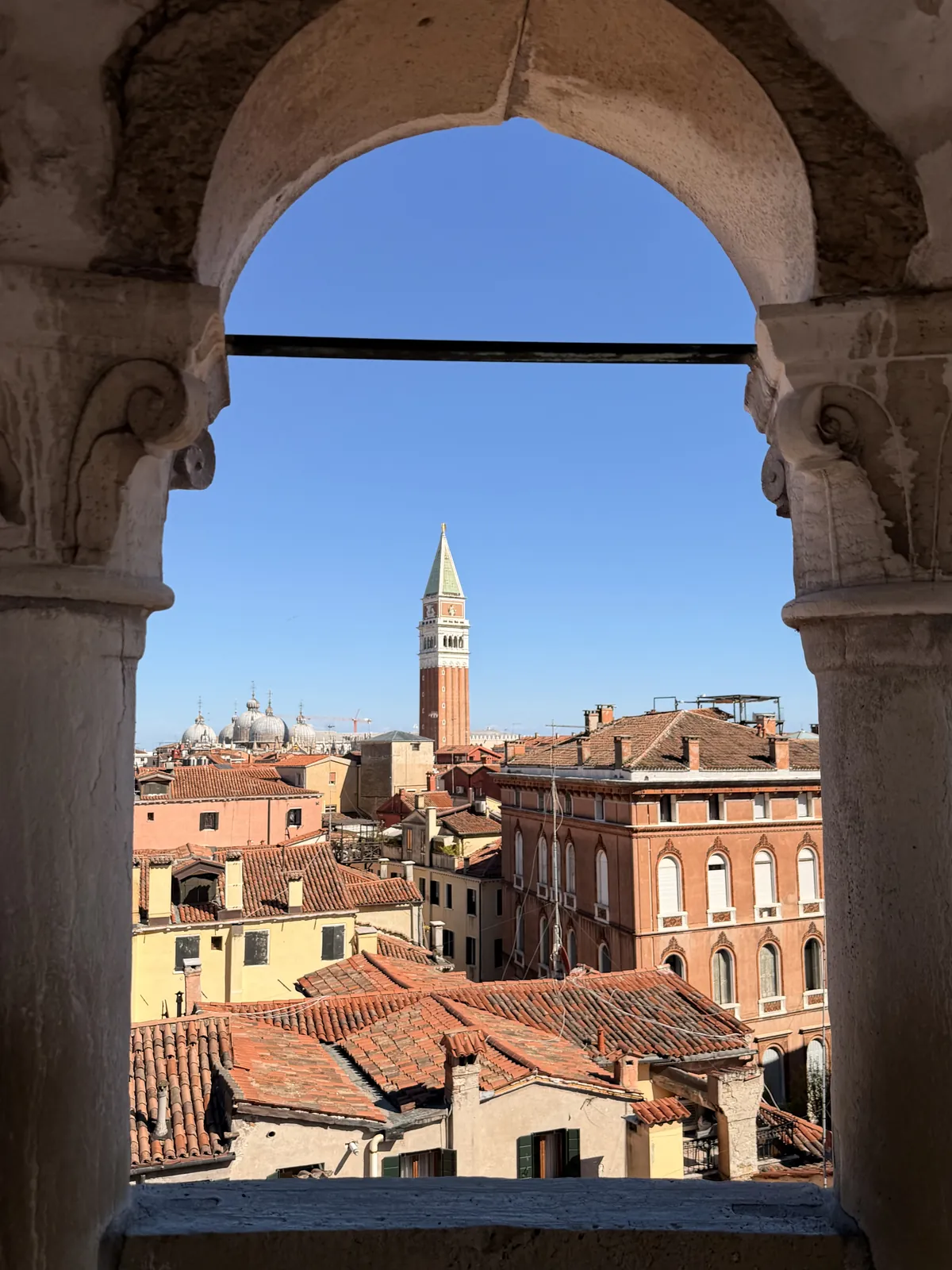
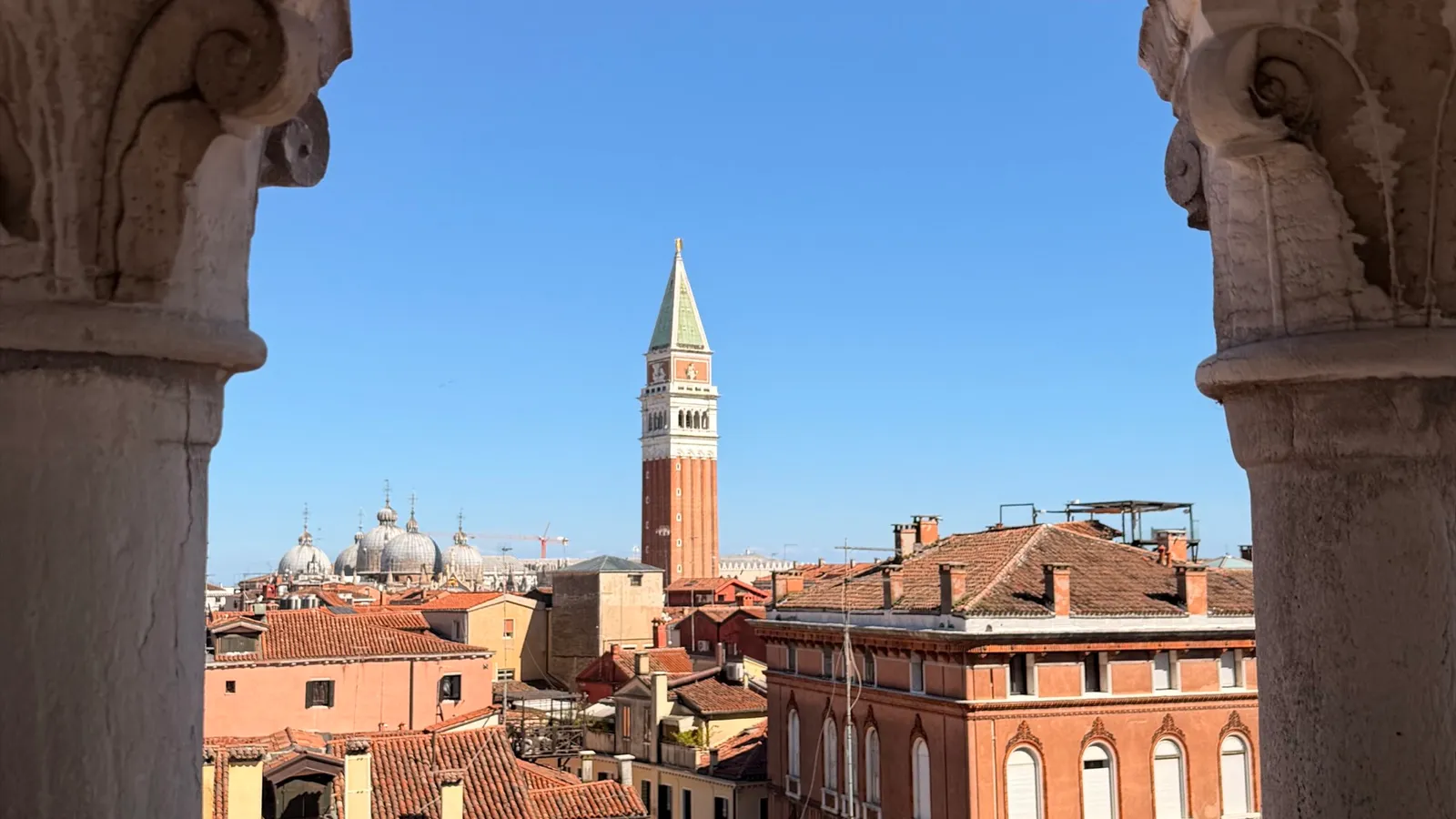
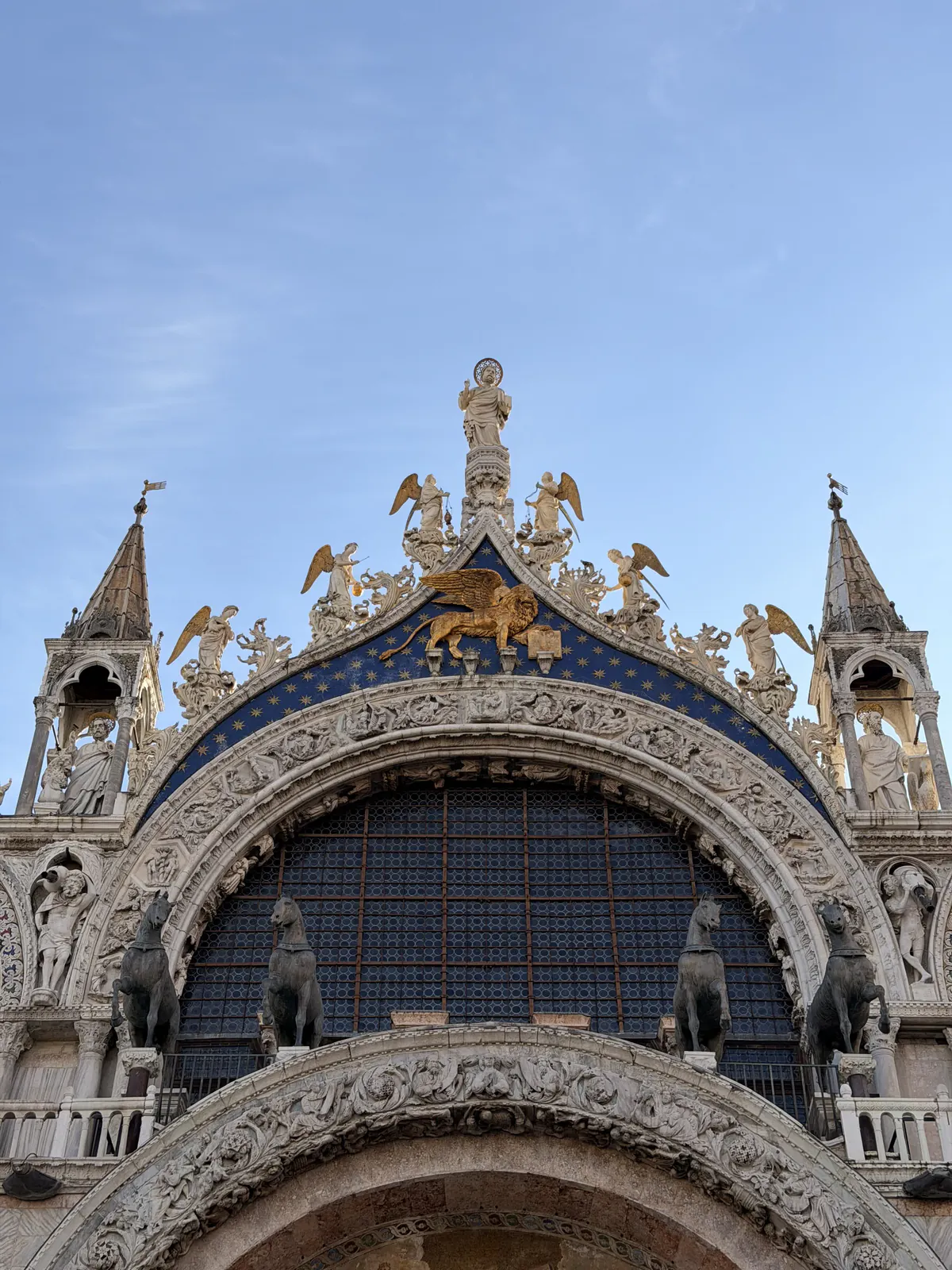
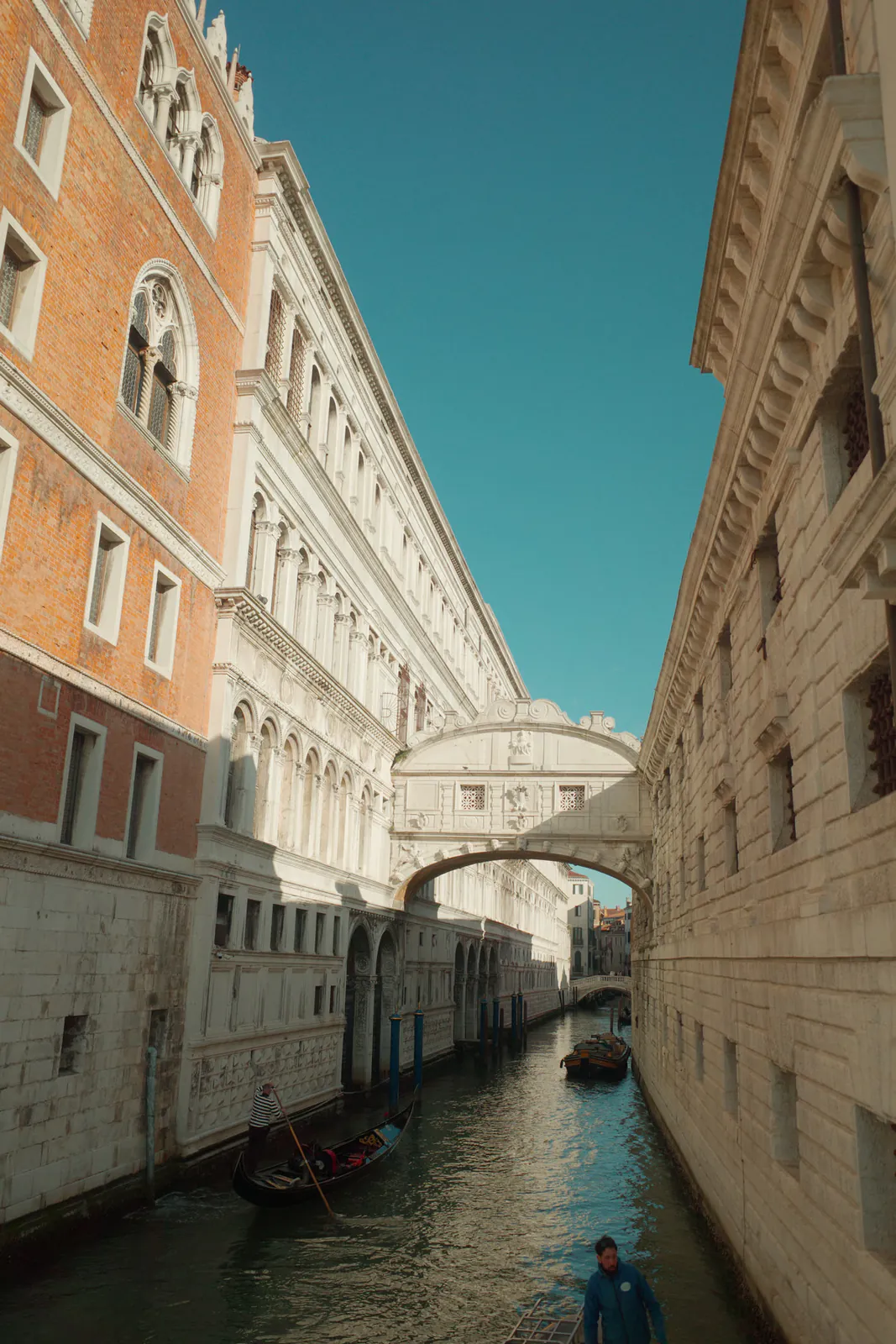
If you only book one sightseeing block ahead, make it Piazza San Marco. St. Mark’s Basilica, Doge’s Palace, St. Mark’s Campanile, the Bridge of Sighs and the Torre dell’Orologio are all clustered around the same square, and they will sell out. Sort them out early so you don’t land in Venice and find out the thing you flew for is fully booked.
Two things will trip you up at the Basilica specifically. Your entry is timed and they only let you in around your slot, and you’ll want shoulders and knees covered before you get to the door. Anything bigger than a small daypack — 40 cm x 30 cm x 20 cm is the limit — gets turned away, and trolleys aren’t allowed at all, so don’t plan this one for your check-out morning.
Doge’s Palace is worth booking a guided tour because the palace, the prisons and the Bridge of Sighs come with a LOT of history that the rooms don’t explain on their own.
Check the Venice access fee for your date
If you’re coming in for the day rather than staying over, Venice charges you to enter the old city, and you’ll want to check the official Access Fee calendar against your exact date. In 2026 it applies on selected dates between 8:30 and 4:00, and only for the historic city — the lagoon islands are outside it.
It’s EUR5 if you pay by the fourth-last day before your visit and EUR10 if you leave it later. Overnight guests and a few other categories are exempt, though you may still need the right registration or QR code to prove it.
Use the vaporetto on purpose
The vaporetto is Venice’s public water bus, and it’s genuinely useful and very scenic. However, I still wouldn’t buy a Vaporetto pass until you finish plannig your trip to see what your days actually involve.
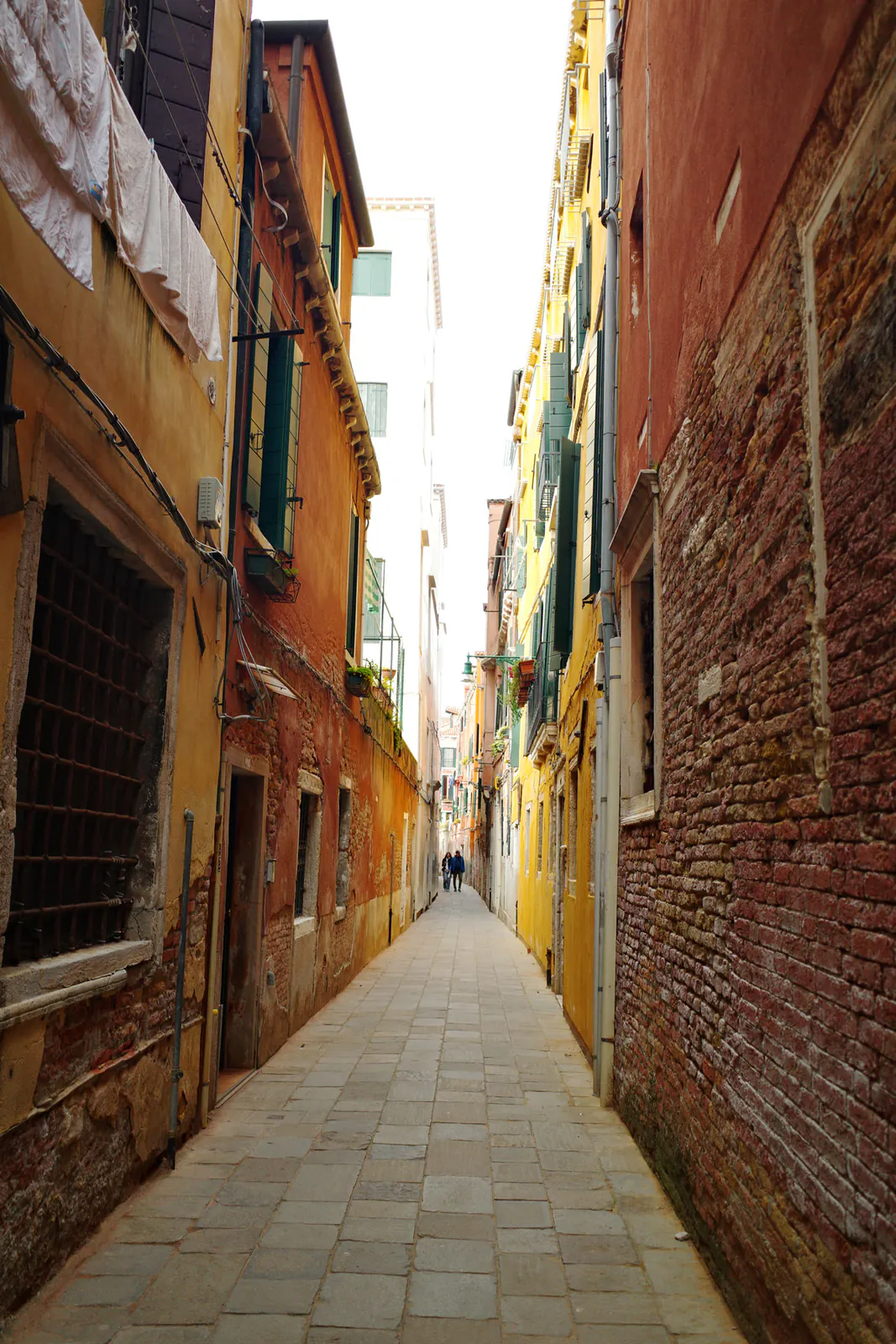
Once the luggage is put away, Venice is extremely walkable, and walking it is a big part of why it’s special. Getting lost in the alleyways, taking random corners and crossing bridge after tiny bridge was one of my favorite parts of the whole city. We never needed the vaporetto at all, because Rialto, San Marco, the side canals, the food stops and the viewpoints all string together on foot.
A pass starts making sense when you’re:
- staying farther out from the center
- heading to Murano, Burano or the Lido
- travelling with someone who’d rather not do the long walks
- crossing the Grand Canal several times a day
- planning three or more rides in a day
A standard 75-minute ACTV ticket runs EUR9.50, and the time-based passes start at EUR25 for 24 hours, so the maths is easy: one or two rides, buy singles; three or more (or an island day), consider a pass. Fares change, so check the current Venezia Unica vaporetto fares before you commit.
Cicchetti, and where we ate in Venice
Food is where Venice gets tricky. The prettiest streets are exactly where it’s easiest to end up with a tourist-menu meal that photographs better than it tastes.
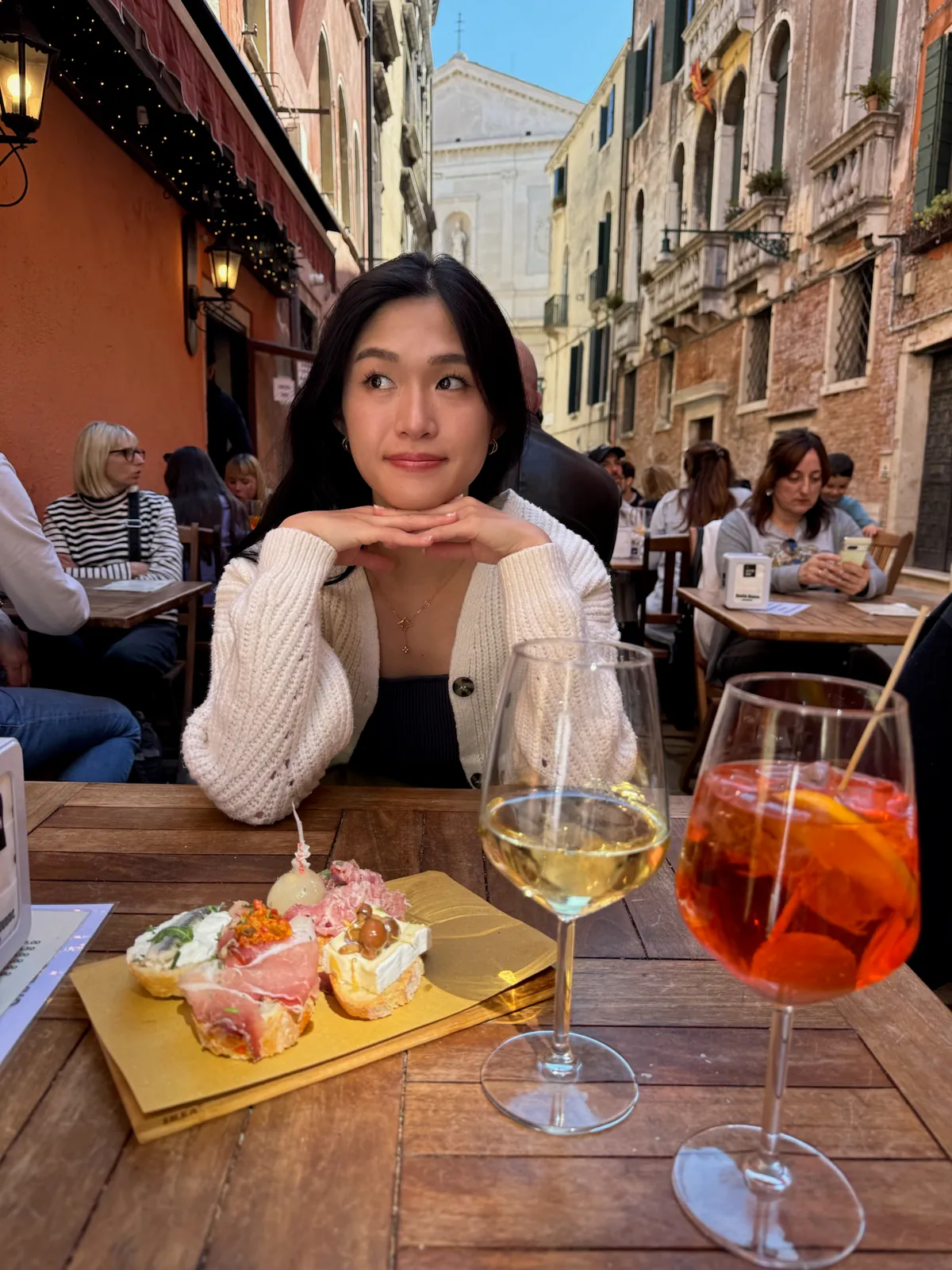
The move is cicchetti at a bacaro — small plates at the counter and a spritz in your hand, the Venice way.
If you take one thing away from this whole post: go to Osteria Dai Zemei. 😋
The food there was unreal, and it’s the cheap, casual Venice I’d want everyone to see once. Order a spread of cicchetti, get a spritz, and chat leisurely under the sun.
If it’s your first time and you want the bacaro thing explained rather than guessed at, a food tour does that work for you. A Rialto Market street-food walk is the daytime intro, a Cannaregio and Rialto small-group tour is the local-led crawl with wine, spritz and tiramisu, and a sunset food and wine tour turns dinner into the plan for the night. A pasta and tiramisu class is the one to pick on a longer trip, when you want an activity that isn’t another church or another queue.
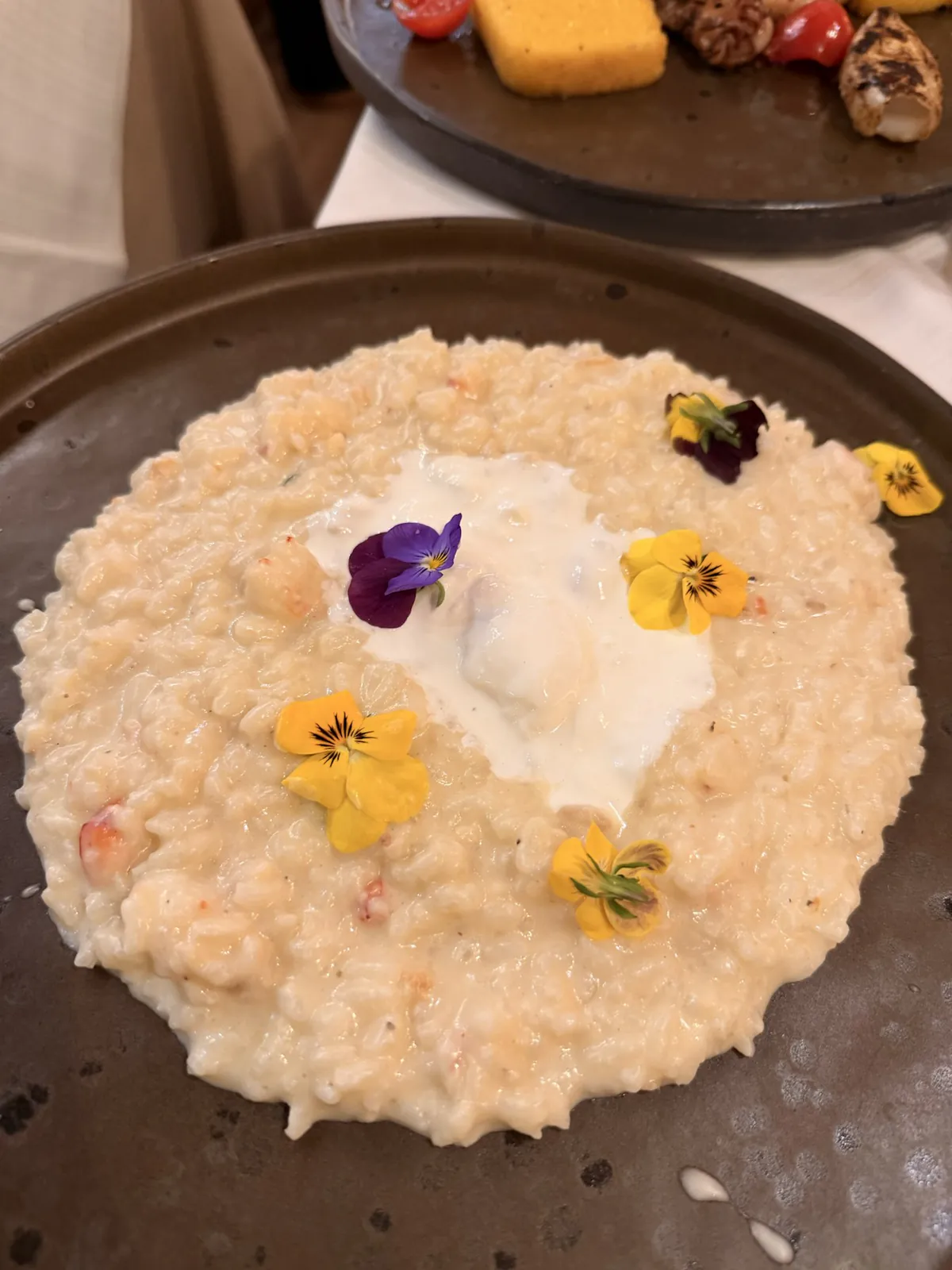
For a proper sit-down dinner, we booked La Piazza a month ahead and I was so glad we did. It’s lively and a bit dressed-up, the risotto was mindblowing, and they handed us champagne while we waited for our table.
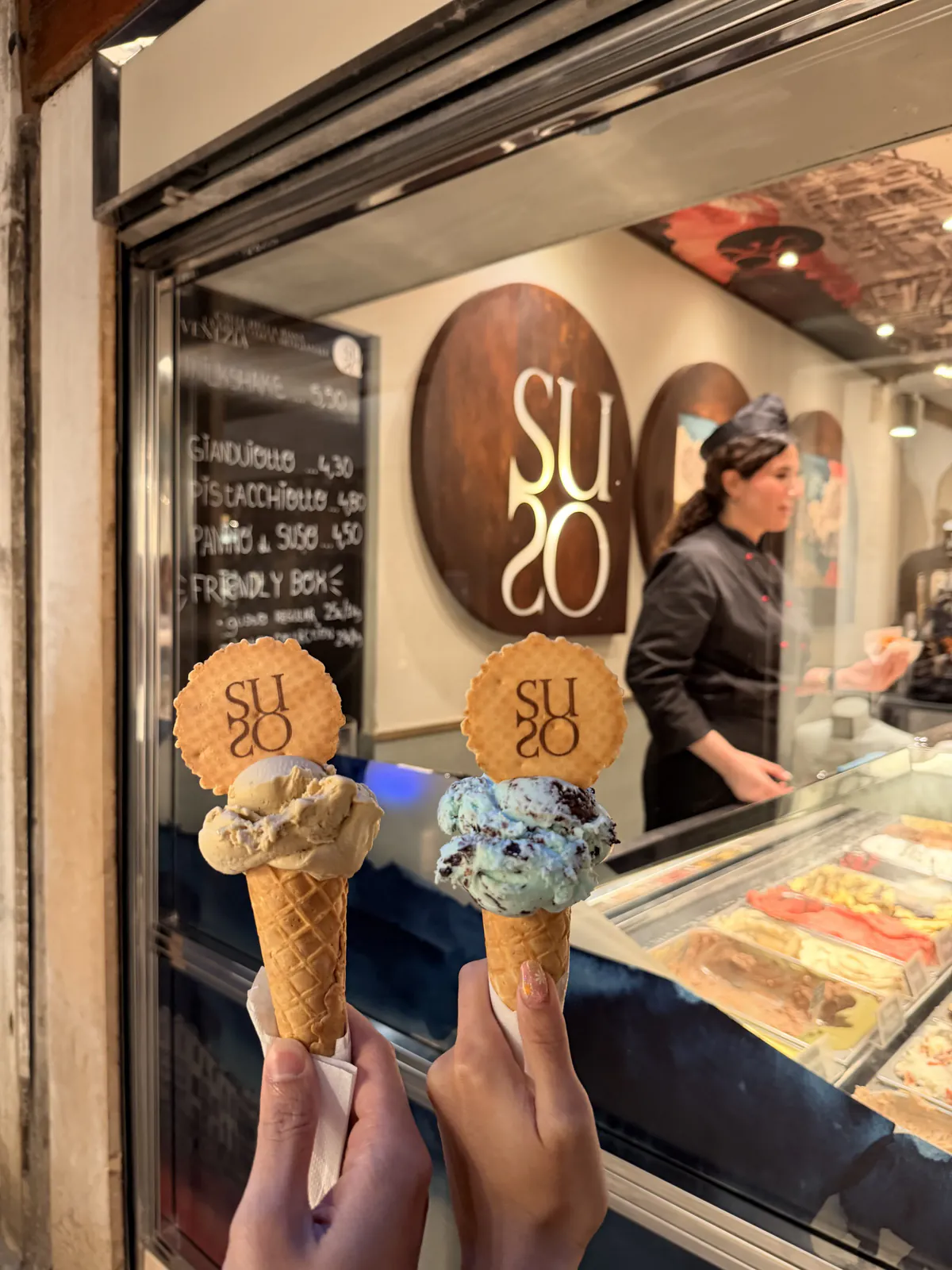
Then dessert. Suso is famous for a reason — we liked it enough to go back a second time, which is not something I usually do on a trip with this much gelato in it. I Tre Mercanti is the tiramisu stop when you want something quick and sweet at the end of a long day.
Visit Rialto Bridge during sunset
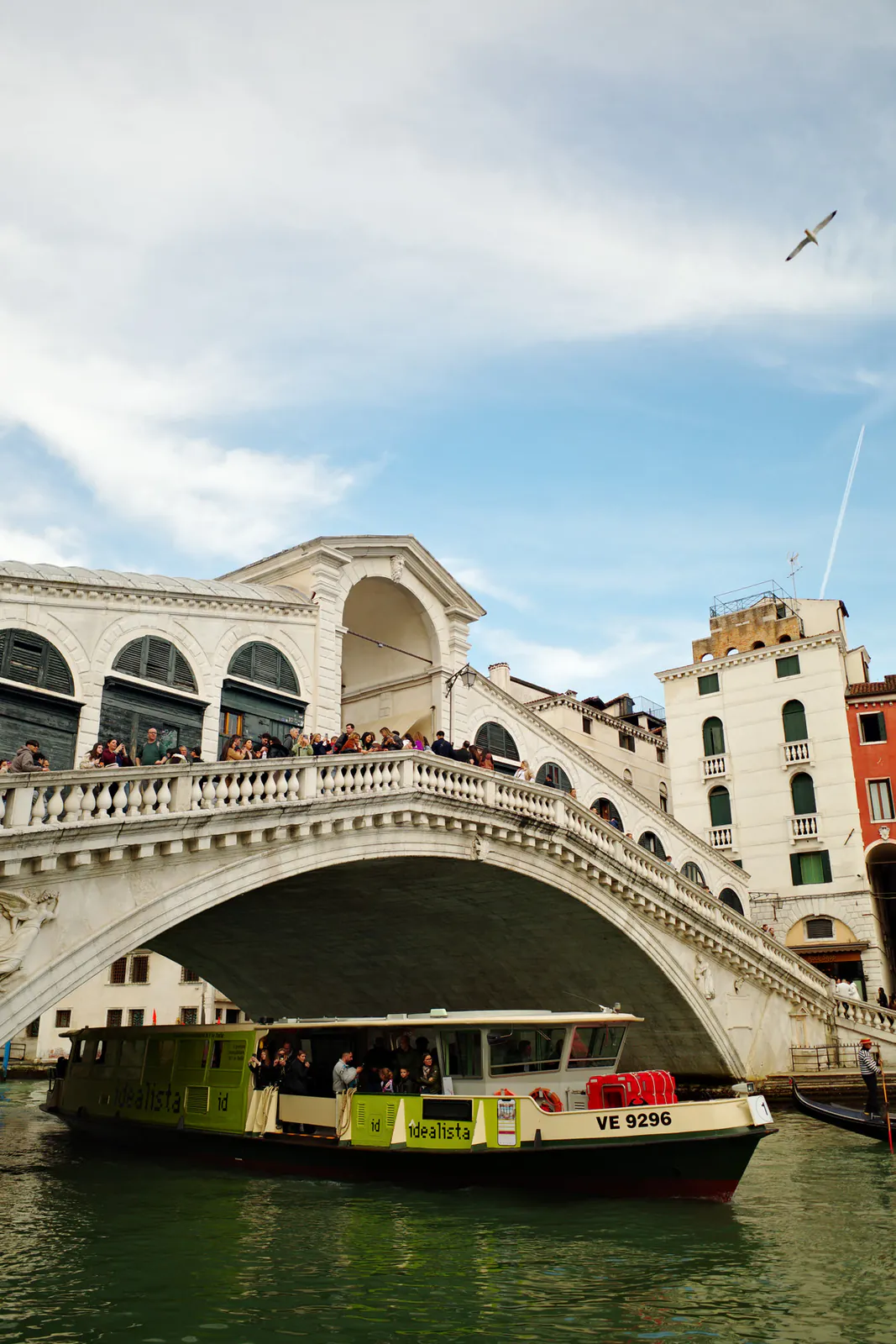
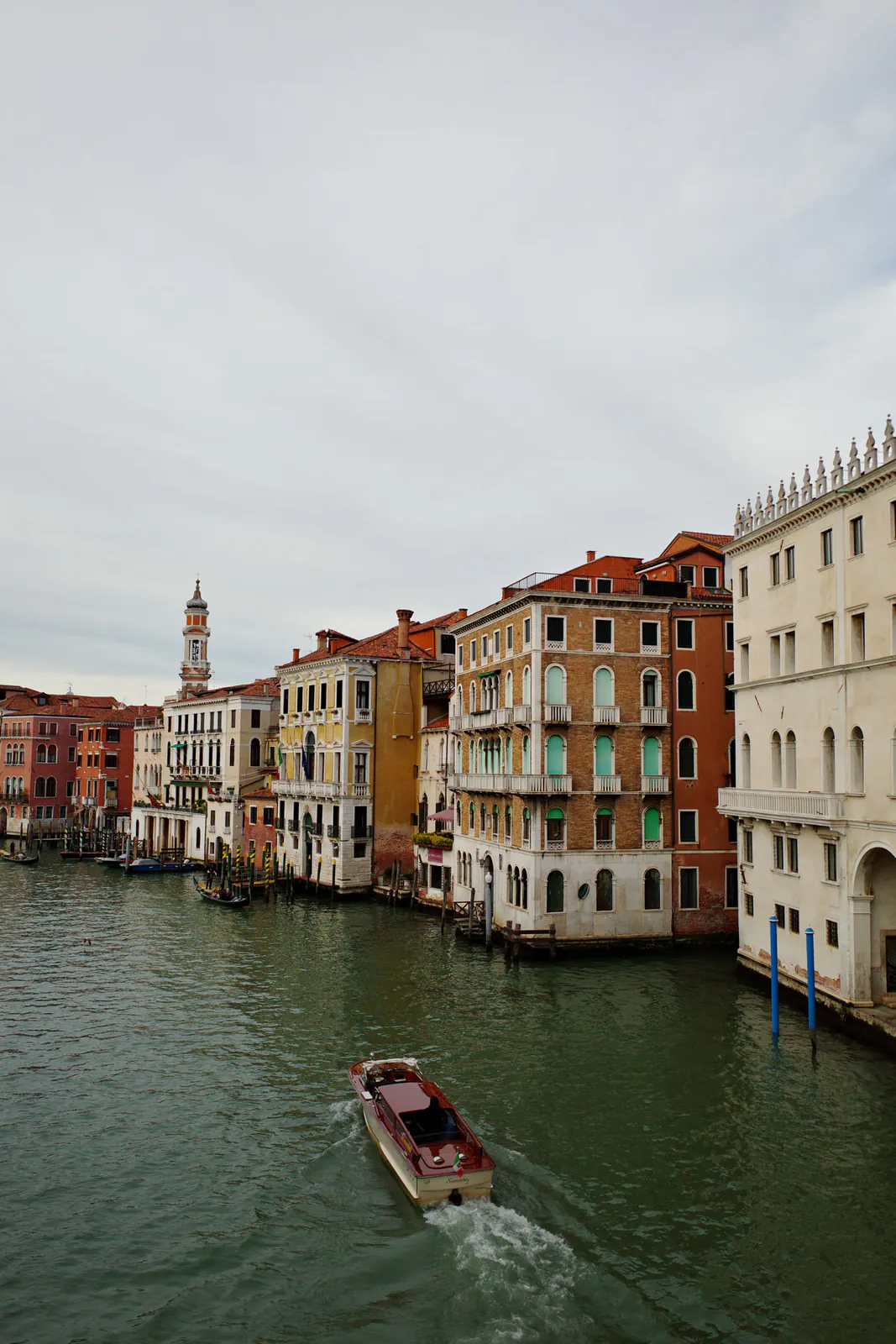
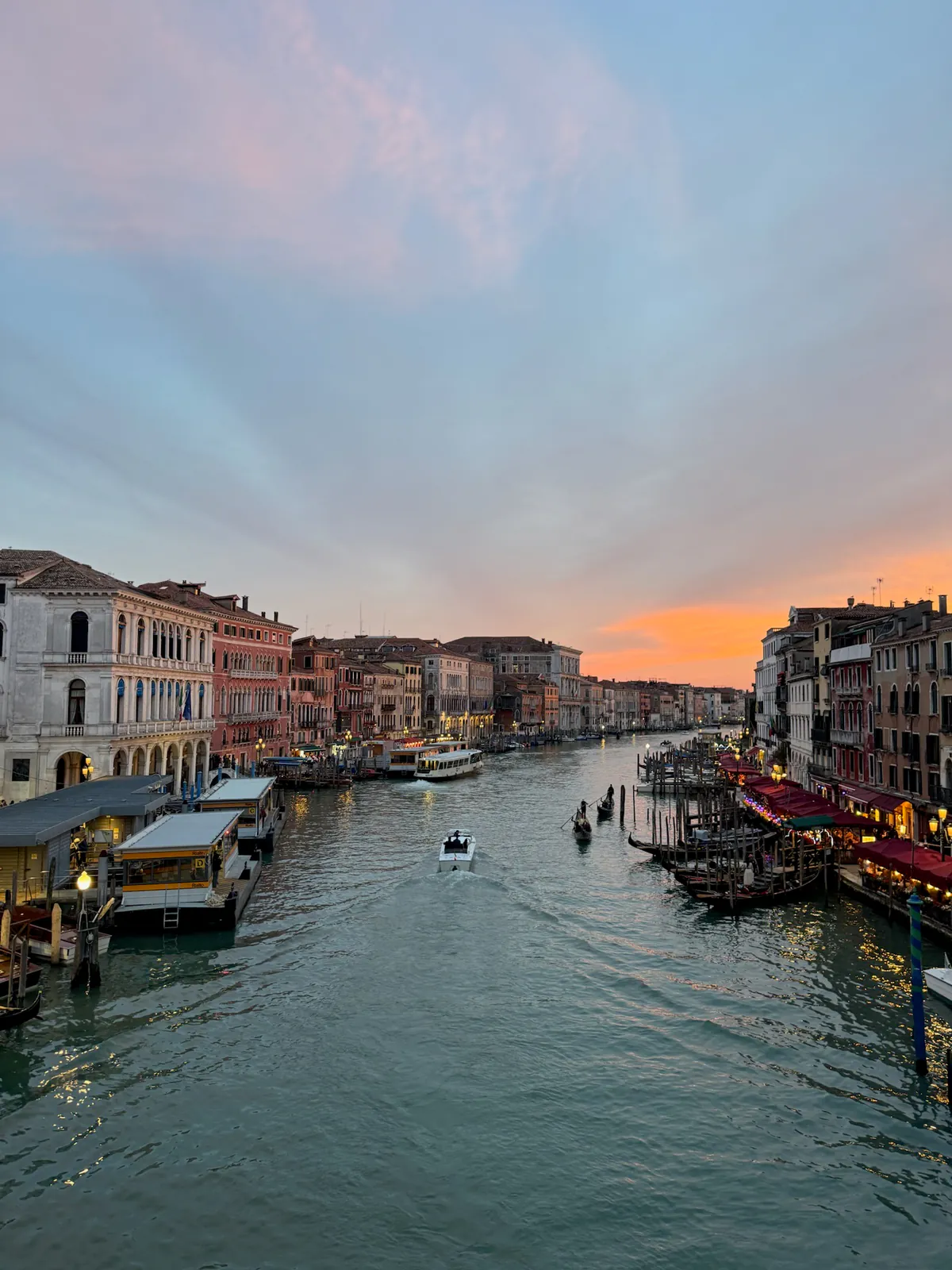
The Grand Canal during the sunset from the Rialto Bridge was one of the most UNREAL views I got in Venice 🌉 Boats floating under the bridge, the water glistening with sunset rays, and the most unreal sunset colors lighting up the sky with gold.
Pick a water experience 🌊
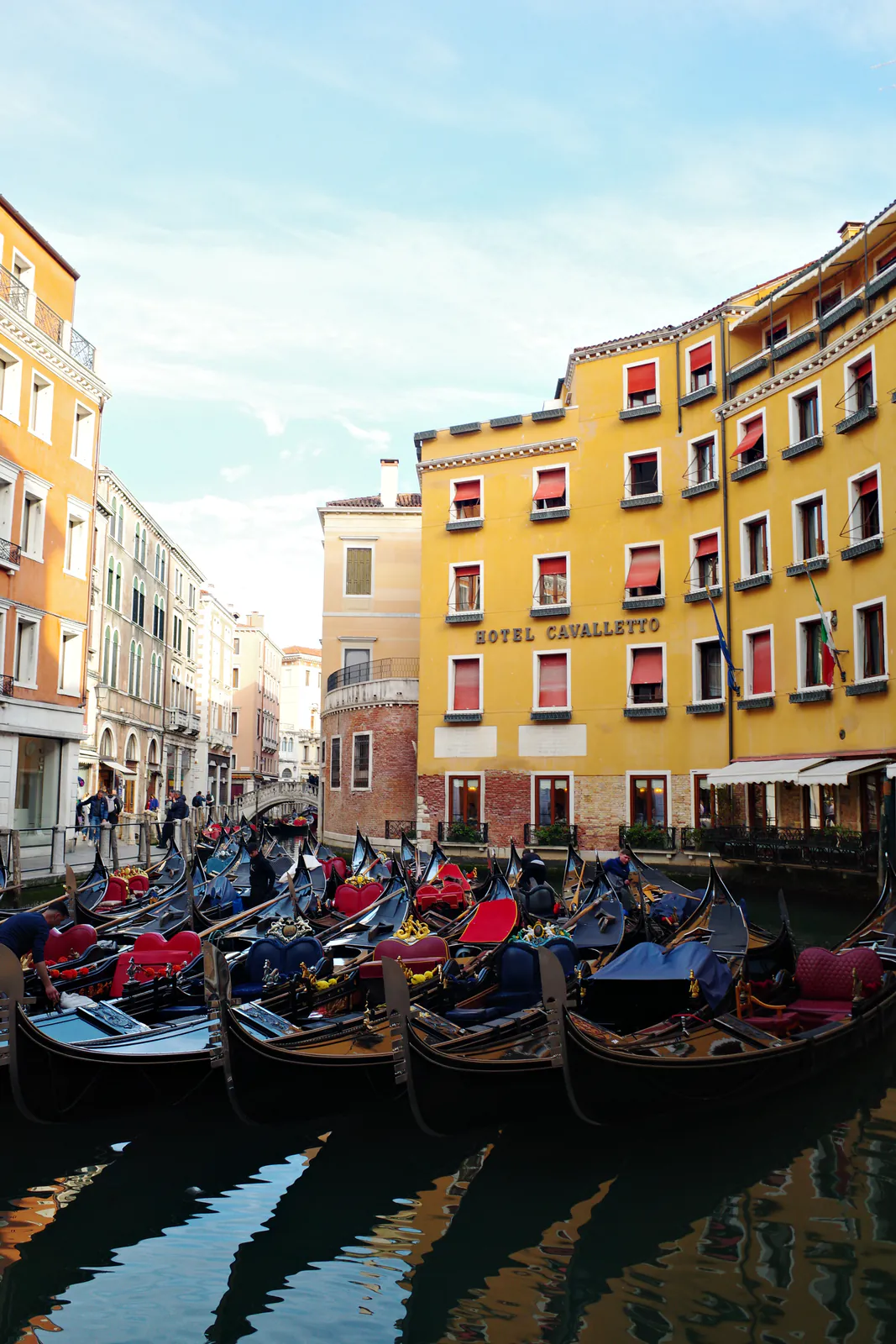
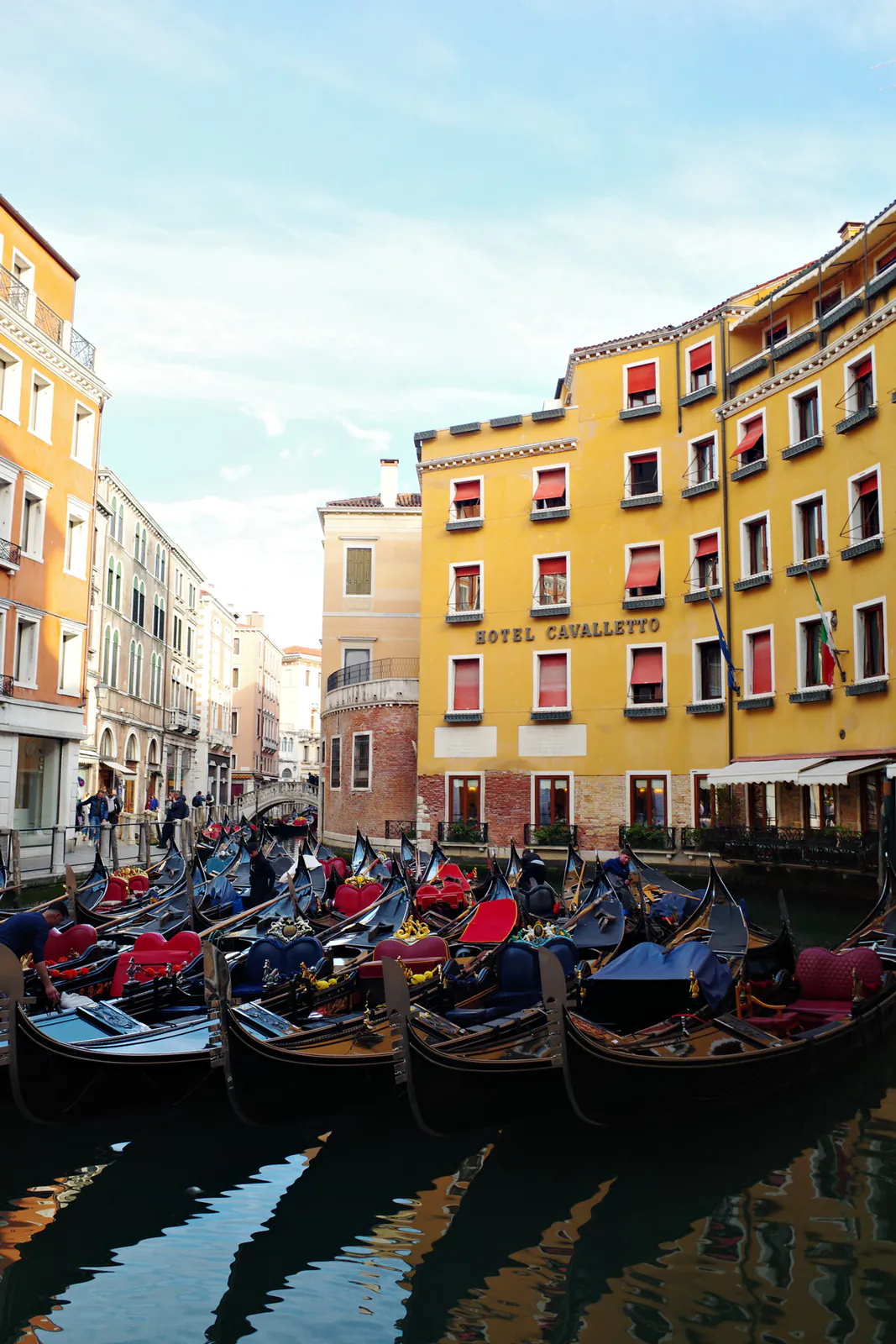
When in Venice, you HAVE to get on the water! And the gondola is the obvious way to do it. I’ve listed some options to book your Gondola ahead of time so you don’t need to negotiate in broken Italian in person.
The sunset jazz catamaran cruise is the roomier, more social option: 90 minutes out on the lagoon with live music, a drink and cicchetti, which slots in perfectly as your aperitivo before dinner.
If neither fits the budget, you’re fine. Venice hands you water views for free — walk the bridges, take the vaporetto once, and put the money into a really good dinner.
Add Murano and Burano if you have the time
If you have more than 2 days, I would add Murano and Burano islands. Murano does glassmaking, Burano is the one with the candy-colored houses and the lace, and Torcello is the quiet historic one.
Give it a half day minimum if you want Murano and Burano both without rushing. This isn’t something to wedge between your San Marco tickets and a dinner reservation.
You can absolutely DIY it by vaporetto. But a guided boat tour takes the transfer planning off your plate and builds in the glassmaking and lacemaking demonstrations you’d be looking for anyway.
Don’t overschedule Venice
Wandering is the point here. It’s the rare city where the empty hours in your day end up being the ones you remember.
My favorite Venice moments were all small: tiny bridges, quiet corners, music drifting across Piazza San Marco, a side canal, window shopping, an alleyway that opened straight onto the water with no warning. Fill every hour with timed tickets and reservations and you’ll walk right past all of that.
Build the day around three anchors instead:
- one timed-ticket sightseeing block
- one food plan you’re excited about — cicchetti, a bacaro crawl, a cooking class
- one water or scenic moment, like Rialto at sunset, a gondola, or the jazz cruise
Then leave the rest alone and get lost on purpose. Venice rewards slowness more than almost anywhere I’ve been.
For a day-by-day route, start with my 2 days in Venice itinerary, and use my best things to do in Venice to sort out your sightseeing priorities.
Venice travel tips FAQ
What should you know before visiting Venice for the first time? Venice is walkable but not luggage-friendly, the famous sights need booking well ahead, and the time you leave unplanned is part of the trip rather than wasted.
Where should first-time visitors stay in Venice? For a short trip or a luggage-heavy arrival, stay near Venezia Santa Lucia Station or Piazzale Roma. For more atmosphere, San Polo, Rialto, Cannaregio, San Marco and Dorsoduro all work depending on your pace.
How far ahead should you book the San Marco sights? Book as soon as your dates are firm if St. Mark’s Basilica, Doge’s Palace or the Campanile matter to you, especially in high season or on a two-day trip.
Do you need a vaporetto pass in Venice? Often not. If you’re mostly walking the main island, single tickets are enough. If you’re staying farther out or doing an island day, price out the day pass.
Do you have to pay the Venice access fee? Only day-trippers, and only on selected dates. Overnight guests and several other categories are exempt, though you may still need to register.
Book the handful of things that genuinely need booking, make your arrival easy on yourself, and then let Venice be Venice. The best bits are usually the ones you didn’t plan.
Take your time, put the map away, and go find out what’s over the next bridge. 🌉